The rumble of a straight-six, the gleam of chrome, and the honest lines of a bygone era – these are the hallmarks of a 1930s pickup truck. More than just vehicles, these machines represent a pivotal moment in automotive history, a time when the pickup transitioned from a rudimentary farm implement to a versatile tool for businesses and individuals alike. Today, a 1930s pickup truck for sale represents not just a purchase, but an investment in history, a passion project, and a tangible connection to the past.
This comprehensive guide will walk you through the exciting, yet sometimes challenging, world of acquiring a 1930s pickup truck. We'll cover everything from understanding the market, identifying different models, assessing condition, and navigating the buying process. Whether you're a seasoned collector or a first-time buyer, this article provides the essential knowledge to help you find the perfect pre-war workhorse.
1930s Pickup Truck For Sale: A Comprehensive Guide to Finding Your Pre-War Workhorse
1. The Allure of the 1930s Pickup Truck:
The 1930s were a period of significant innovation in the automotive industry. Automakers refined designs, improved engine technology, and introduced features that made pickup trucks more comfortable and capable. These trucks served as the backbone of the American economy, hauling goods, supplies, and people across the country during a time of great economic hardship.
Owning a 1930s pickup truck offers a unique experience:
- Historical Significance: These trucks are rolling pieces of history, representing a specific era of design and engineering.
- Unique Styling: The art deco influences of the 1930s are evident in the bold grilles, flowing fenders, and overall aesthetic of these trucks. They stand out in a crowd of modern vehicles.
- Mechanical Simplicity: While not as advanced as modern vehicles, 1930s trucks are relatively simple to work on, making them appealing to mechanically inclined enthusiasts.
- Community and Camaraderie: Owning a classic truck often connects you to a community of like-minded individuals who share a passion for preserving automotive history.
- Investment Potential: Well-maintained and restored 1930s pickup trucks can appreciate in value over time, making them a potentially sound investment.

2. Identifying Key Models and Manufacturers:
The 1930s saw production from several major American automakers, each offering a range of pickup truck models. Here are some of the most popular and sought-after:
- Ford: Ford's Model A (early 1930s) and Model BB (later 1930s) pickups are highly desirable. The Model A is known for its affordability and ease of maintenance, while the Model BB offered increased payload capacity and a more robust chassis.
- Chevrolet: Chevrolet's pickup trucks of the 1930s were known for their stylish designs and reliable performance. They often featured innovative features for their time, such as independent front suspension.
- Dodge: Dodge pickups of the era were built tough and designed for heavy-duty work. They were often favored by farmers and ranchers.
- International Harvester: International Harvester focused on producing durable and capable trucks for agricultural and commercial use. Their pickups of the 1930s were built to withstand the rigors of daily work.
- GMC: GMC shared platforms and designs with Chevrolet, but often featured heavier-duty components and slightly different styling cues.

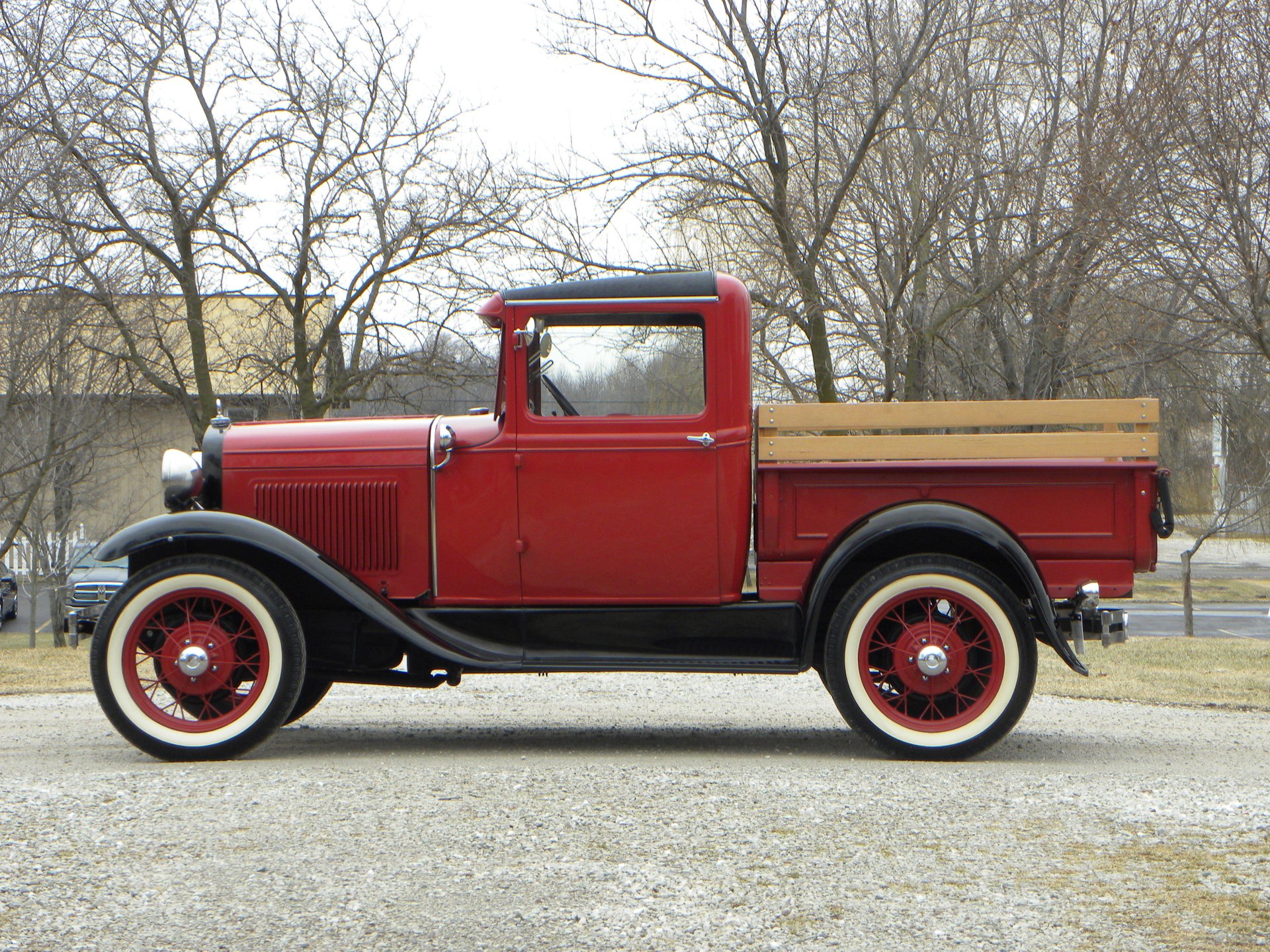
Key Considerations When Choosing a Model:
- Availability of Parts: Some models are easier to find parts for than others. Ford Model A parts, for example, are readily available thanks to a large aftermarket.
- Desired Use: Consider how you plan to use the truck. If you intend to use it for light hauling, a smaller model like the Model A might suffice. For heavier work, a Model BB or Dodge might be a better choice.
- Budget: Prices vary significantly depending on the model, condition, and rarity. Research the market value of different models before making a decision.
3. Assessing the Condition: A Crucial Step
Before committing to a purchase, thoroughly inspect the truck's condition. Here's a breakdown of key areas to examine:
- Body: Look for rust, dents, and signs of previous repairs. Pay close attention to the floorboards, fenders, cab corners, and bed. Rust is a common problem in older vehicles, and extensive rust repair can be costly.
- Frame: The frame is the backbone of the truck. Inspect it for cracks, bends, and rust. A damaged frame can compromise the truck's structural integrity and safety.
- Engine: Check the engine for leaks, unusual noises, and signs of excessive wear. Ask the seller about the engine's history and maintenance records. If possible, perform a compression test to assess the engine's health.
- Transmission and Drivetrain: Ensure that the transmission shifts smoothly and that the drivetrain is free of excessive play or noise.
- Brakes: Inspect the brake lines, cylinders, and shoes. Make sure the brakes function properly and that there are no leaks.
- Electrical System: Check the wiring, lights, and gauges. Old wiring can become brittle and prone to shorts.
- Interior: Examine the seats, upholstery, and dashboard. While originality is desirable, prioritize comfort and safety.
- Originality vs. Restoration: Determine the level of originality. A fully original, unrestored truck can be valuable, but may require significant work. A well-restored truck can be a good option if you're looking for a vehicle that's ready to drive and show.
Tips for Condition Assessment:
- Bring a Friend: Having a second set of eyes can help you spot potential problems that you might miss.
- Use a Flashlight: A flashlight will help you inspect hard-to-reach areas.
- Take Pictures: Document the truck's condition with photos for future reference.
- Don't Be Afraid to Ask Questions: Ask the seller about the truck's history, maintenance records, and any known issues.
- Consider a Pre-Purchase Inspection: If you're not comfortable assessing the truck's condition yourself, hire a qualified mechanic to perform a pre-purchase inspection.
4. Navigating the Buying Process:
Finding and purchasing a 1930s pickup truck can be an exciting but potentially complex process. Here's a step-by-step guide:
- Research and Set a Budget: Determine which models you're interested in and research their market value. Establish a realistic budget that includes the purchase price, transportation costs, and any anticipated repairs or restoration work.
- Search for Trucks: Utilize online classifieds, auction sites, and classic car dealerships to find trucks for sale. Be patient, as finding the right truck may take time.
- Inspect Potential Purchases: Thoroughly inspect any trucks that you're considering buying, as described in the previous section.
- Negotiate the Price: Be prepared to negotiate the price with the seller. Use your research and condition assessment to justify your offer.
- Secure Financing (If Necessary): If you need financing, shop around for the best rates and terms.
- Complete the Paperwork: Ensure that all necessary paperwork is completed correctly, including the title, bill of sale, and registration.
- Arrange Transportation: Arrange for the truck to be transported to your location. Consider using a reputable transport company that specializes in classic vehicles.
- Enjoy Your New Truck!
5. Potential Challenges and Solutions:
Acquiring and maintaining a 1930s pickup truck can present some challenges:
- Finding a Truck in Good Condition: Trucks from this era are often in poor condition due to age and wear. Solution: Be patient and persistent in your search. Consider hiring a professional to help you locate a suitable truck.
- Finding Parts: Some parts for 1930s trucks can be difficult to find. Solution: Utilize online forums, swap meets, and specialized parts suppliers.
- Mechanical Issues: Older trucks are prone to mechanical issues. Solution: Learn basic maintenance and repair skills. Consider joining a classic car club for access to resources and expertise.
- Storage: Protecting your truck from the elements is crucial. Solution: Store the truck in a garage or under a cover.
- Cost of Restoration: Restoring a 1930s truck can be expensive. Solution: Prioritize essential repairs and restoration work. Consider tackling some of the work yourself to save money.
6. Tips for Long-Term Ownership:
- Regular Maintenance: Perform regular maintenance, including oil changes, tune-ups, and lubrication.
- Proper Storage: Store the truck in a dry, protected environment.
- Cautious Driving: Drive the truck cautiously and avoid harsh conditions.
- Join a Club: Connect with other enthusiasts through a classic car club.
- Document Everything: Keep detailed records of maintenance, repairs, and restoration work.
7. Price Table for 1930s Pickup Trucks (Estimates):
| Model | Condition | Estimated Price Range | Notes |
|---|---|---|---|
| Ford Model A Pickup | Project | $5,000 - $15,000 | Significant rust, missing parts, requires extensive restoration. |
| Ford Model A Pickup | Driver Quality | $15,000 - $30,000 | Runs and drives, but may have cosmetic imperfections and minor mechanical issues. |
| Ford Model A Pickup | Restored | $30,000 - $50,000+ | Professionally restored to original condition. |
| Ford Model BB Pickup | Project | $8,000 - $20,000 | Similar condition notes to Model A, but generally commands a higher price due to its increased rarity and heavy-duty nature. |
| Ford Model BB Pickup | Driver Quality | $20,000 - $40,000 | |
| Ford Model BB Pickup | Restored | $40,000 - $60,000+ | |
| Chevrolet Pickup (1930s) | Project | $6,000 - $18,000 | Prices can vary widely depending on the specific year and model. |
| Chevrolet Pickup (1930s) | Driver Quality | $18,000 - $35,000 | |
| Chevrolet Pickup (1930s) | Restored | $35,000 - $55,000+ | |
| Dodge Pickup (1930s) | Project | $7,000 - $22,000 | Generally less common than Ford and Chevrolet, so prices can be higher. |
| Dodge Pickup (1930s) | Driver Quality | $22,000 - $45,000 | |
| Dodge Pickup (1930s) | Restored | $45,000 - $70,000+ | |
| International Harvester | Project | $5,000 - $15,000 | Rarity can significantly impact price. |
| International Harvester | Driver Quality | $15,000 - $35,000 | |
| International Harvester | Restored | $35,000 - $65,000+ |
Disclaimer: These are estimated price ranges. Actual prices may vary depending on the specific vehicle, location, and market conditions.
Frequently Asked Questions (FAQ):
- Q: Where can I find 1930s pickup trucks for sale?
- A: Online classifieds (e.g., Hemmings, ClassicCars.com, eBay Motors), auction sites, classic car dealerships, and local car clubs are good places to start.
- Q: What's the most important thing to look for when buying a 1930s pickup?
- A: Condition is paramount. Thoroughly inspect the body, frame, engine, and drivetrain for rust, damage, and wear.
- Q: Are parts readily available for these trucks?
- A: Parts availability varies depending on the model. Ford Model A parts are generally easier to find than parts for less common models.
- Q: Should I buy a restored truck or restore one myself?
- A: This depends on your budget, skills, and time. Restoring a truck yourself can be rewarding, but it can also be expensive and time-consuming. A restored truck offers immediate enjoyment but may come at a higher price.
- Q: What kind of insurance do I need for a classic truck?
- A: You'll need classic car insurance, which is typically less expensive than regular auto insurance. Classic car insurance companies specialize in insuring older vehicles and often offer agreed-upon value policies.
- Q: Can I use a 1930s pickup truck as a daily driver?
- A: While technically possible, it's generally not recommended. These trucks lack modern safety features and creature comforts. They're best suited for occasional use and special events.
Conclusion:
Finding and owning a 1930s pickup truck is a rewarding experience that connects you to a rich automotive history. By understanding the market, carefully assessing the condition of potential purchases, and being prepared for the challenges of ownership, you can find the perfect pre-war workhorse to add to your collection. Remember to do your research, be patient, and enjoy the journey! The rumble of that vintage engine and the admiring glances you'll receive are well worth the effort.

0 comments