The allure of owning a food business is undeniable. The aroma of sizzling meats, the satisfaction of serving delicious meals, and the potential for financial independence – it's a dream shared by many. For aspiring food entrepreneurs on a budget, the prospect of buying a used food trailer for sale by owner offers a compelling pathway to realizing this dream. It can bypass the significant upfront costs associated with purchasing a new trailer, allowing you to focus on what truly matters: crafting exceptional food and building a thriving business.
However, navigating the used food trailer market requires careful planning, thorough research, and a healthy dose of skepticism. This comprehensive guide will equip you with the knowledge and tools needed to confidently navigate the world of used food trailers for sale by owner, ensuring you make a sound investment that sets your business up for success.
Navigating the World of Used Food Trailers For Sale By Owner: A Comprehensive Guide
1. Why Choose a Used Food Trailer By Owner? Weighing the Pros and Cons
Before diving into the intricacies of finding a used food trailer, it's crucial to understand the advantages and disadvantages compared to buying new or from a dealer.
Pros:
- Cost Savings: This is the most significant advantage. Used trailers are often considerably cheaper than new ones, freeing up capital for other essential expenses like inventory, marketing, and permits.
- Faster Startup: You can potentially bypass the manufacturing lead times associated with new trailers, getting your business up and running quicker.
- Negotiation Potential: Buying directly from an owner often allows for more flexibility in price negotiation than dealing with a dealership.
- Direct Insight: You can speak directly with the person who used and maintained the trailer, gaining valuable insights into its history, strengths, and potential weaknesses.
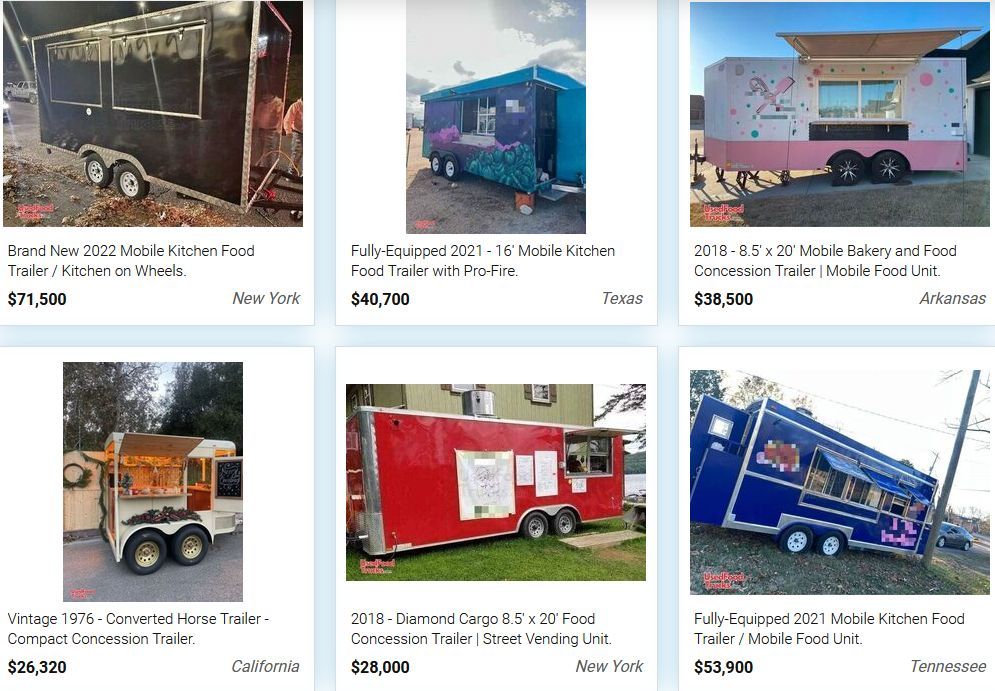
Cons:
- Higher Risk: Unlike buying from a dealer, you usually won't have a warranty or guarantee, meaning you're responsible for any repairs needed after the purchase.
- Due Diligence Required: Thorough inspection and verification of the trailer's condition, permits, and history are crucial to avoid costly surprises.
- Potentially Outdated Equipment: Used trailers may have older equipment that is less efficient or requires replacement sooner.
- Financing Challenges: Securing financing for a used trailer from a private seller can be more difficult than financing a new one through a dealer.

2. Defining Your Needs: Laying the Foundation for Your Search
Before even browsing listings, you need a clear understanding of your business needs. This will help you narrow down your search and avoid wasting time on trailers that aren't a good fit. Consider the following:
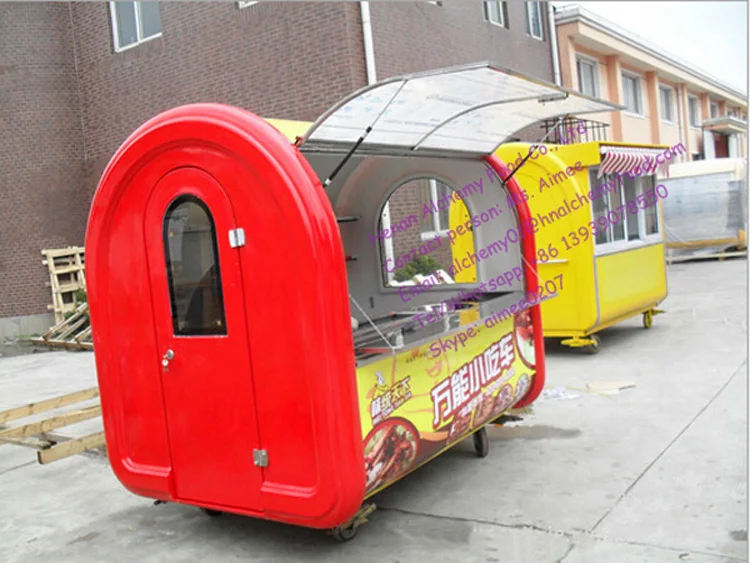
- Menu: What type of food will you be serving? This will determine the necessary equipment (grills, fryers, ovens, refrigeration) and the required workspace.
- Location: Where will you be operating your trailer? This will influence the size and mobility requirements, as well as the need for specific features like generators or water tanks.
- Capacity: How many customers do you anticipate serving during peak hours? This will determine the required prep space, storage capacity, and serving window size.
- Budget: How much can you realistically afford to spend on the trailer, including potential repairs, upgrades, and transportation costs?
- Permitting Requirements: Research local health department regulations and ensure the trailer meets the necessary standards for your intended location.
3. Finding the Right Trailer: Where to Look and What to Look For
Once you have a clear understanding of your needs, you can begin your search. Here are some effective avenues for finding used food trailers for sale by owner:
- Online Marketplaces: Websites like Craigslist, Facebook Marketplace, and eBay are popular platforms for private sellers.
- Local Classifieds: Check local newspapers, community bulletin boards, and online classifieds websites.
- Food Truck Associations: Contact local or regional food truck associations, as they may have members selling their trailers.
- Word of Mouth: Network with other food entrepreneurs and let them know you're looking for a used trailer.
- Online Auctions: Consider online auction sites specializing in restaurant equipment and trailers.
When reviewing listings, pay close attention to the following:
- Detailed Descriptions: Look for listings that provide comprehensive information about the trailer's age, size, equipment, condition, and any recent repairs or upgrades.
- High-Quality Photos: Request multiple photos of the trailer's interior and exterior, including close-ups of the equipment and any areas of concern.
- Seller Reputation: If possible, research the seller's reputation and reviews, especially on platforms like Facebook Marketplace.
- Clear Pricing: Ensure the asking price is clearly stated and that you understand what is included in the sale.
4. Inspection is Key: A Thorough Evaluation Process
Before making an offer, a thorough inspection is absolutely essential. This is where you can identify potential problems and negotiate a fair price. Consider these steps:
- Visual Inspection: Carefully examine the trailer's exterior for signs of damage, rust, leaks, or structural issues. Check the tires, brakes, lights, and hitch.
- Equipment Testing: Test all the equipment, including grills, fryers, ovens, refrigerators, and ventilation systems. Ensure they are functioning properly and efficiently.
- Electrical System Check: Inspect the wiring, outlets, and circuit breakers. Consider hiring a qualified electrician to evaluate the electrical system, especially if it's complex.
- Plumbing System Check: Examine the water tanks, pumps, and drainage system for leaks or damage. Ensure the water heater is functioning properly.
- Documentation Review: Ask the seller for all relevant documentation, including the trailer's title, registration, permits, and any maintenance records.
- Professional Inspection: Consider hiring a professional food truck inspector or a qualified mechanic to conduct a comprehensive inspection. This may cost a few hundred dollars, but it can save you thousands in the long run.
5. Negotiation and Purchase: Securing a Fair Deal
After the inspection, it's time to negotiate the price. Be prepared to walk away if the seller is unwilling to address your concerns or negotiate a fair price.
- Research Market Value: Before making an offer, research the market value of similar trailers in your area. This will give you a strong negotiating position.
- Highlight Deficiencies: Point out any issues you identified during the inspection and use them as leverage to negotiate a lower price.
- Payment Method: Discuss the payment method and ensure it's secure and protects both parties. Escrow services are often a good option for large transactions.
- Written Agreement: Always have a written purchase agreement that outlines the terms of the sale, including the price, payment method, closing date, and any contingencies.
- Title Transfer: Ensure the seller properly transfers the title to you and that you register the trailer in your name.
6. Post-Purchase Considerations: Preparing for Launch
Once you've purchased the trailer, there are several important steps to take before launching your business:
- Repairs and Upgrades: Address any necessary repairs or upgrades to ensure the trailer is safe, functional, and meets your business needs.
- Permitting and Licensing: Obtain all necessary permits and licenses from your local health department and other relevant agencies.
- Insurance: Purchase adequate insurance coverage to protect your business from liability, property damage, and other risks.
- Branding and Marketing: Develop a strong brand identity and marketing plan to attract customers to your food trailer.
- Menu Development: Finalize your menu and source high-quality ingredients.
- Staff Training: If you plan to hire staff, provide them with thorough training on food safety, customer service, and trailer operation.
7. Common Challenges and Solutions
Buying a used food trailer can present several challenges. Here are some common issues and potential solutions:
- Hidden Problems: Solution: Thorough inspection, professional inspection, and a contingency clause in the purchase agreement.
- Financing Difficulties: Solution: Explore alternative financing options, such as personal loans, crowdfunding, or seller financing.
- Permitting Issues: Solution: Research local regulations in advance and work closely with the health department to ensure compliance.
- Equipment Malfunctions: Solution: Budget for potential repairs and maintenance, and establish a relationship with a qualified repair technician.
Table: Price Factors of Used Food Trailers For Sale By Owner
| Factor | Description | Typical Price Range Impact |
|---|---|---|
| Size & Type | The physical dimensions and style of the trailer (e.g., small cart, large enclosed trailer). Larger trailers with more space and specialized features (e.g., BBQ smokers, pizza ovens) typically command higher prices. | Small Cart: $2,000 - $5,000; Medium Enclosed Trailer: $5,000 - $15,000; Large Specialized Trailer: $15,000 - $40,000+ |
| Age & Condition | The year the trailer was manufactured and its overall physical and mechanical state. Newer trailers in excellent condition fetch higher prices. Signs of wear, rust, or damage will significantly reduce the value. | Excellent Condition (Like New): Premium Price; Good Condition (Minor Wear): Moderate Price; Fair Condition (Needs Repairs): Lower Price; Poor Condition (Significant Repairs Needed): Very Low Price (or Scrap Value) |
| Equipment Included | The type and condition of equipment included in the sale (e.g., grills, fryers, refrigerators, ventilation systems). High-quality, well-maintained equipment adds significant value. Missing or malfunctioning equipment will decrease the price. | Minimal Equipment: Lower Price; Standard Equipment (Grill, Fryer, Fridge): Moderate Price; Full Commercial Kitchen (Multiple Appliances): Higher Price; Specialized Equipment (Pizza Oven, Smoker): Premium Price |
| Location | The geographic location of the trailer. Market demand and local regulations can influence prices. Trailers in high-demand areas may command higher prices. | High-Demand Metropolitan Areas: Higher Prices; Rural Areas with Less Competition: Lower Prices; States with Stringent Regulations: Prices Adjusted to Reflect Compliance Costs |
| Permits & Licensing | Whether the trailer comes with existing permits and licenses that can be transferred to the new owner. Transferable permits can save time and money, increasing the value. Lack of permits necessitates obtaining new ones, potentially delaying operations and adding costs. | Transferable Permits Included: Higher Price; No Permits Included: Lower Price (Buyer Responsible for Obtaining) |
| Seller Reputation | The seller's reputation and transparency. A reputable seller with positive reviews and a willingness to provide documentation and answer questions can justify a higher price. Lack of transparency or negative reviews can raise red flags and necessitate price negotiation. | Reputable Seller with Documentation: Moderate to Higher Price; Unknown or Unresponsive Seller: Lower Price (Due to Increased Risk) |
| Modifications/Customization | Any custom modifications or additions to the trailer, such as unique layouts, custom paint jobs, or specialized equipment installations. Well-executed and functional modifications can increase the value, while poorly designed or outdated modifications may not add significant value. | Useful and Well-Designed Mods: Higher Price; Outdated or Poorly Executed Mods: Little to No Impact on Price (May Even Decrease Value) |
| Maintenance Records | Availability of maintenance records demonstrating regular servicing and repairs. Well-documented maintenance history provides confidence in the trailer's condition and can justify a higher price. Lack of maintenance records raises concerns about potential hidden problems. | Complete Maintenance Records: Higher Price; Limited or No Maintenance Records: Lower Price (Buyer Assumes More Risk) |
| Negotiation Skills | The buyer's ability to negotiate effectively. Researching market value, highlighting deficiencies during inspection, and presenting a strong case can lead to significant price reductions. | Effective Negotiation: Potential for Lower Price; Passive Negotiation: Risk of Paying Over Market Value |
| Urgency of Sale | The seller's motivation and timeline for selling the trailer. Sellers who are highly motivated to sell quickly may be more willing to negotiate a lower price. | Motivated Seller: Potential for Lower Price; No Urgency: Less Room for Negotiation |
FAQ: Frequently Asked Questions About Used Food Trailers For Sale By Owner
- Is it safe to buy a used food trailer from a private seller? Yes, but it requires due diligence. Thoroughly inspect the trailer, verify its history, and use a secure payment method.
- What documents should I ask for from the seller? The trailer's title, registration, permits, and any maintenance records.
- How can I finance a used food trailer from a private seller? Explore personal loans, crowdfunding, or seller financing.
- What are the most common problems with used food trailers? Hidden problems, equipment malfunctions, and permitting issues.
- How much should I budget for repairs and upgrades? At least 10-20% of the purchase price.
- Should I hire a professional inspector? Yes, it's highly recommended to identify potential problems before making a purchase.
- What are the legal considerations when buying a used food trailer? Ensure the title is properly transferred and that you comply with all local regulations.
Conclusion: Embarking on Your Food Trailer Journey
Buying a used food trailer for sale by owner can be a rewarding and cost-effective way to launch your food business. However, it requires careful planning, thorough research, and a healthy dose of caution. By following the guidelines outlined in this comprehensive guide, you can navigate the used trailer market with confidence, make a sound investment, and set your business up for long-term success. Remember to prioritize thorough inspection, clear communication with the seller, and a solid understanding of your business needs. With dedication and perseverance, your dream of owning a thriving food trailer can become a delicious reality. Good luck, and happy cooking!

0 comments