Pick Up Truck Diagram: A Comprehensive Guide to Understanding Your Vehicle's Anatomy
Introduction: Decoding the Blueprint of Your Workhorse
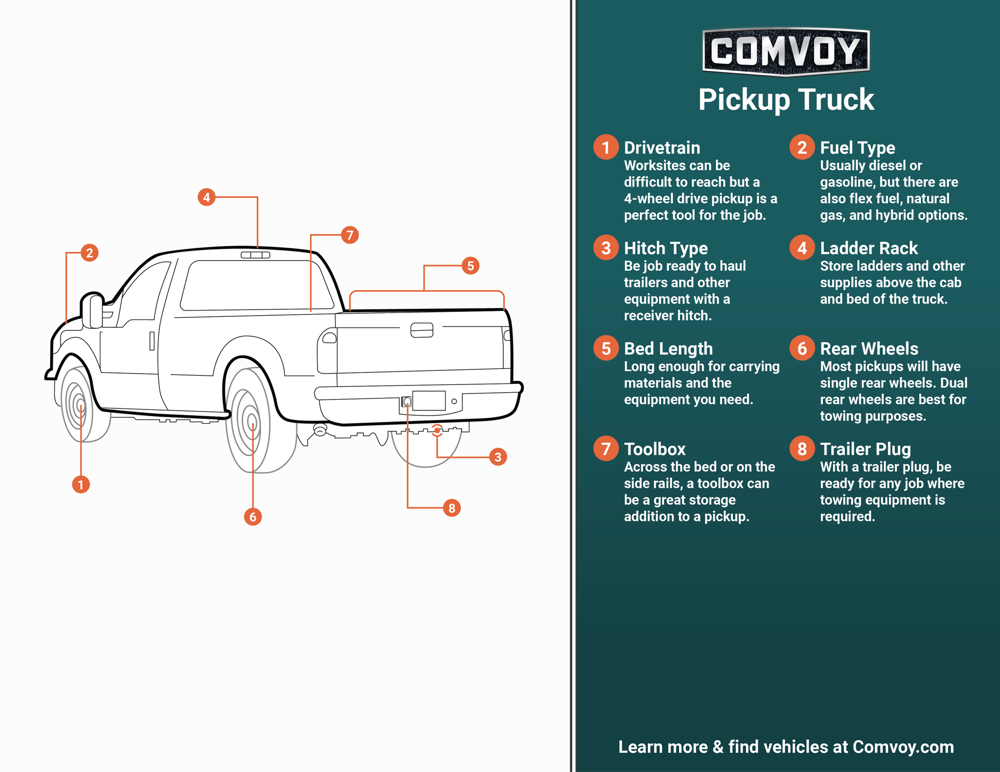
Pick Up Truck Diagram
The pick-up truck is a quintessential symbol of American ingenuity and practicality. From hauling heavy loads to navigating challenging terrains, these versatile vehicles are indispensable for both work and leisure. But beyond the rugged exterior and powerful engine lies a complex network of components working in harmony. Understanding the anatomy of your pick-up truck is crucial for maintenance, repairs, customization, and even simply appreciating the engineering marvel beneath the hood. This is where a pick-up truck diagram becomes invaluable.
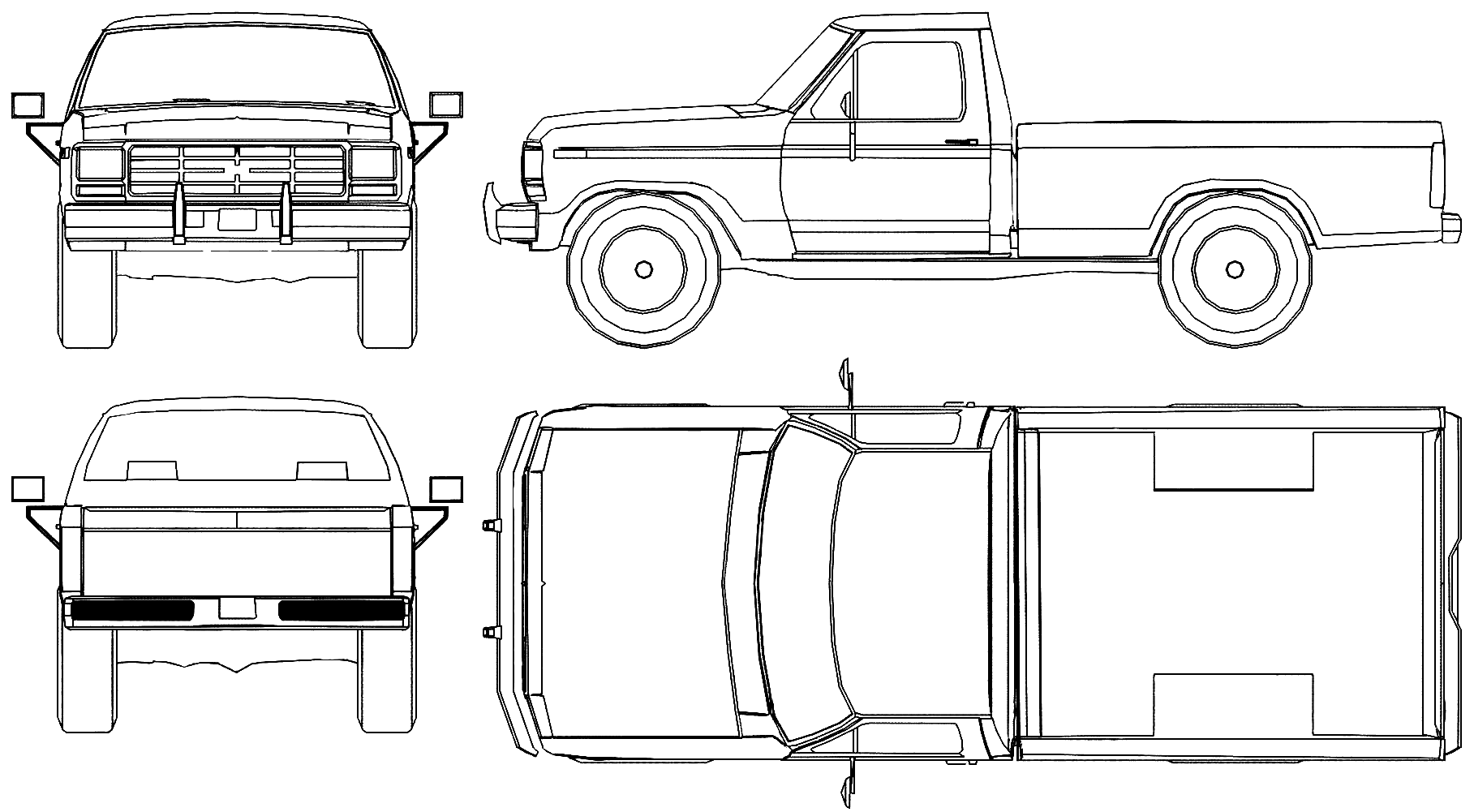
A pick-up truck diagram is essentially a detailed visual representation of the vehicle, illustrating the location and relationship of its various parts. It's a blueprint that unlocks a deeper understanding of how your truck functions, empowering you to troubleshoot problems, communicate effectively with mechanics, and make informed decisions about modifications or upgrades. This article will delve into the world of pick-up truck diagrams, exploring their benefits, how to use them effectively, and offering practical advice for navigating this essential resource.
Section 1: Why Use a Pick-Up Truck Diagram? Unveiling the Benefits
A pick-up truck diagram offers a multitude of advantages for truck owners of all experience levels:
-
Troubleshooting and Diagnostics: When your truck malfunctions, a diagram can help you pinpoint the source of the problem. By identifying the location of specific components, such as sensors, relays, or hoses, you can perform targeted inspections and potentially avoid costly diagnostic fees at a mechanic shop.
-
Maintenance and Repair: Whether you're changing the oil, replacing a brake pad, or tackling a more complex repair, a diagram provides a visual guide for accessing and working on the relevant parts. It can prevent accidental damage to adjacent components and ensure that you reassemble everything correctly.
-
Parts Identification and Ordering: Accurately identifying the correct part number is essential when ordering replacement parts. A diagram clearly labels each component, making it easy to find the precise part you need, avoiding compatibility issues and unnecessary returns.
-
Customization and Upgrades: If you're planning to modify your truck, a diagram can help you visualize the impact of your changes. It allows you to understand how different components interact and ensure that your modifications are compatible with the overall system.

Enhanced Communication with Mechanics: When describing a problem to a mechanic, a diagram can help you communicate more effectively. Instead of using vague terms, you can refer to specific components by their names and locations, ensuring that the mechanic understands the issue accurately.
-
Increased Knowledge and Appreciation: Even if you're not a mechanically inclined person, studying a diagram can deepen your understanding of how your truck works. This knowledge can foster a greater appreciation for the engineering behind these complex machines.
Section 2: Types of Pick-Up Truck Diagrams: Choosing the Right Resource
Not all pick-up truck diagrams are created equal. The type of diagram you need will depend on the specific task you're undertaking. Here are some common types:
-
Component Location Diagrams: These diagrams show the general location of major components within the engine bay, chassis, or interior. They are useful for basic orientation and identifying the main systems of the truck.
-
Exploded View Diagrams: Exploded views provide a detailed breakdown of individual components, showing how they fit together. These are particularly helpful when disassembling and reassembling complex parts, such as carburetors, transmissions, or differentials.
-
Wiring Diagrams: Wiring diagrams illustrate the electrical system of the truck, showing the connections between different components, such as the battery, alternator, starter, lights, and sensors. They are essential for troubleshooting electrical problems and installing aftermarket accessories.
-
Vacuum Diagrams: Vacuum diagrams depict the vacuum lines and components of the engine, which are crucial for controlling emissions, fuel delivery, and other functions. They are useful for diagnosing vacuum leaks and ensuring proper engine operation.
-
Hydraulic Diagrams: These diagrams show the layout of hydraulic systems, such as power steering or brakes, including pumps, lines, cylinders, and valves.
-
Body Diagrams: These diagrams detail the body panels, structural components, and trim pieces of the truck. They are useful for collision repair and identifying parts for cosmetic restoration.
Section 3: Where to Find Pick-Up Truck Diagrams: Accessing the Information You Need
Several resources offer pick-up truck diagrams:
-
Owner's Manual: The owner's manual often contains basic diagrams of the vehicle, including component locations and fuse box layouts.
-
Repair Manuals (Haynes, Chilton, etc.): Repair manuals provide detailed diagrams and instructions for a wide range of repairs and maintenance procedures. They are an invaluable resource for DIY mechanics.
-
Online Databases and Forums: Many online databases and forums dedicated to pick-up trucks offer diagrams and technical information. Be sure to verify the accuracy of the information before relying on it.
-
Dealership Service Departments: Dealership service departments have access to the most comprehensive diagrams and technical information for your specific truck model.
-
Aftermarket Parts Suppliers: Some aftermarket parts suppliers provide diagrams to help customers identify and install their products.
-
Subscription-Based Online Repair Information: Companies like Alldata and Mitchell OnDemand offer subscription-based access to a vast library of repair information, including detailed diagrams, technical service bulletins, and diagnostic procedures.
Section 4: How to Read and Interpret a Pick-Up Truck Diagram: Decoding the Symbols and Conventions
Understanding the conventions used in pick-up truck diagrams is essential for interpreting them accurately.
-
Symbols: Diagrams use various symbols to represent different components, such as resistors, capacitors, switches, relays, and fuses. Familiarize yourself with these symbols to understand the function of each component.
-
Abbreviations: Diagrams often use abbreviations to save space. Common abbreviations include "ECT" (Engine Coolant Temperature), "MAP" (Manifold Absolute Pressure), and "TPS" (Throttle Position Sensor).
-
Color Coding: Wiring diagrams often use color coding to identify different wires. A color code legend will be provided to explain the meaning of each color.
-
Reference Numbers: Diagrams typically use reference numbers to identify individual components. These numbers can be used to locate the corresponding part in a parts catalog or online database.
-
Flow Arrows: Diagrams that depict fluid or air flow use arrows to indicate the direction of flow.
Section 5: Practical Tips for Using Pick-Up Truck Diagrams Effectively
- Start with the Right Diagram: Ensure that the diagram you're using is specific to your truck's make, model, and year. Variations between models can be significant.
- Study the Legend: Always read the diagram's legend to understand the symbols, abbreviations, and color codes used.
- Use a Magnifying Glass: If the diagram is small or has intricate details, use a magnifying glass to examine it more closely.
- Cross-Reference Information: If you're unsure about something, cross-reference the diagram with other sources, such as a repair manual or online forum.
- Take Notes: Make notes on the diagram to highlight important information or mark areas of concern.
- Print and Laminate: If you're working on a repair, print the relevant diagram and laminate it to protect it from grease and dirt.
- Digital Diagrams: Digital diagrams are great, but be sure you can access them easily in the garage. Having a printed copy as backup is always a good idea.
Section 6: Potential Challenges and Solutions
- Diagram Inaccuracy: Diagrams may contain errors or omissions. If you suspect an error, consult multiple sources to verify the information.
- Diagram Complexity: Some diagrams can be very complex and difficult to understand. Take your time and break down the diagram into smaller sections.
- Diagram Availability: Diagrams for older or less common trucks may be difficult to find. Consider contacting a dealership or searching online archives.
- Misinterpretation: Misinterpreting a diagram can lead to incorrect repairs or modifications. If you're unsure about something, seek help from a qualified mechanic.
Section 7: Price Table
| Resource | Description | Estimated Price |
|---|---|---|
| Owner's Manual | Included with the purchase of the truck; may contain basic diagrams. | Free (with vehicle) |
| Haynes/Chilton Repair Manual | Comprehensive manual with diagrams for various repairs. | $20 - $40 |
| Online Database/Forum | Varies greatly; some are free, others require a subscription. | Free - $100+/year |
| Dealership Service Department | Access to manufacturer-specific diagrams and technical information. | Varies (hourly rate) |
| Aftermarket Parts Supplier | Diagrams may be included with certain parts purchases. | Free (with purchase) |
| Alldata/Mitchell OnDemand | Subscription-based access to extensive repair information, including diagrams. | $150 - $250/year |
| Professional Mechanic | Expertise in interpreting diagrams and diagnosing issues, but comes at an hourly rate. | $75 - $150+/hour |
Section 8: Frequently Asked Questions (FAQ)
-
Q: Where can I find a wiring diagram for my specific truck model?
- A: Check your owner's manual, a repair manual, or subscription-based online repair information services. Many online forums also have wiring diagrams.
-
Q: Are all pick-up truck diagrams the same?
- A: No. Diagrams vary depending on the make, model, and year of the truck. Always use a diagram specific to your vehicle.
-
Q: Can I use a diagram to troubleshoot an electrical problem?
- A: Yes, wiring diagrams are essential for troubleshooting electrical problems.
-
Q: What do all the symbols on a wiring diagram mean?
- A: The diagram should include a legend that explains the meaning of each symbol.
-
Q: How do I know if I'm using the correct diagram?
- A: Verify that the diagram matches your truck's make, model, year, and engine type.
Conclusion: Empowering Yourself with Knowledge
A pick-up truck diagram is more than just a collection of lines and symbols; it's a key to unlocking a deeper understanding of your vehicle's inner workings. By learning how to read and interpret these diagrams, you can empower yourself to perform maintenance, troubleshoot problems, and make informed decisions about repairs and modifications. Whether you're a seasoned mechanic or a novice truck owner, mastering the art of reading pick-up truck diagrams will enhance your relationship with your vehicle and save you time and money in the long run. The more you understand the intricate system that makes your truck tick, the better equipped you will be to keep it running smoothly for years to come.
Remember to always prioritize safety when working on your vehicle. If you're unsure about a procedure, consult a qualified mechanic.
0 comments