The 2003 Jeep Liberty represents a pivotal moment in Jeep's history, marking its foray into the compact SUV market with a vehicle that blended the brand's legendary off-road capability with everyday practicality. Born from the need to replace the aging Jeep Cherokee, the Liberty aimed to appeal to a broader audience while retaining the rugged spirit that defined Jeep. This article provides a comprehensive look at the 2003 Jeep Liberty, exploring its design, features, performance, reliability, and overall legacy. Whether you're a potential buyer, a current owner, or simply a Jeep enthusiast, this guide will provide valuable insights into this iconic SUV.
1. Introduction: The Rise of the Compact Jeep
The 2003 Jeep Liberty: A Deep Dive into a Classic SUV
In the early 2000s, the SUV market was booming, and Jeep needed a modern contender in the growing compact segment. The 2003 Jeep Liberty (designated KJ) was the answer. It offered a fresh, contemporary design that contrasted sharply with the boxy Cherokee. While the Cherokee focused primarily on ruggedness, the Liberty aimed for a balance between off-road prowess and on-road comfort, appealing to families and daily commuters. The 2003 model year was particularly significant as it refined the initial Liberty design and laid the foundation for future iterations. The Liberty marked a strategic shift for Jeep, proving that off-road capability could be packaged in a more accessible and user-friendly format.
2. Design and Features: Inside and Out
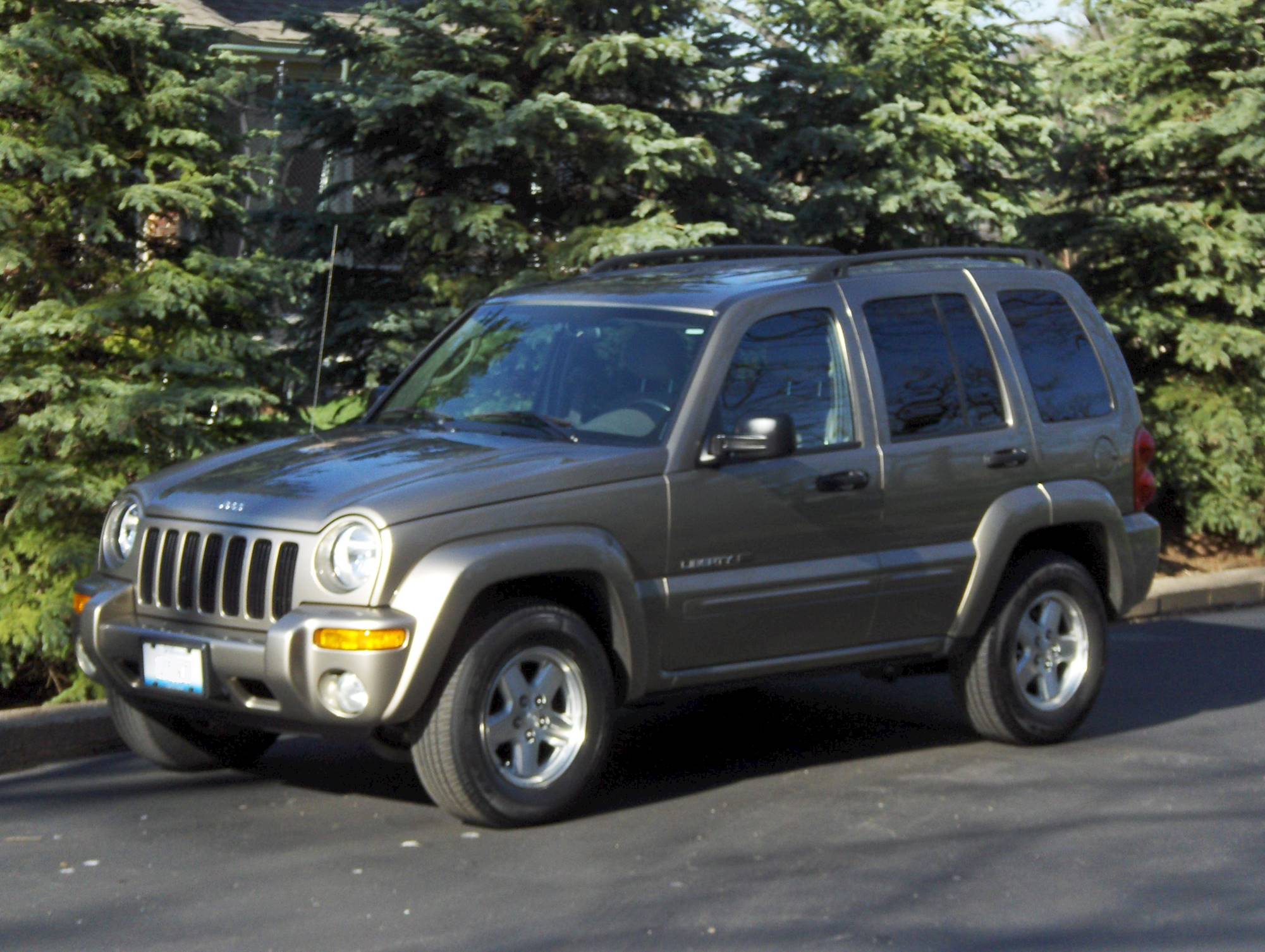
The 2003 Jeep Liberty boasts a distinctive design that stands out even today. Its exterior features include:
- Signature Jeep Styling: The iconic seven-slot grille, round headlights, and trapezoidal wheel arches immediately identify it as a Jeep.
- Upright Stance: The Liberty's tall, boxy profile maximizes interior space and provides excellent visibility.
- Available Skid Plates: Reinforcing its off-road credentials, the Liberty offered factory-installed skid plates to protect the undercarriage.
- Rear-Hinged Doors (Early Models): Some early 2003 models featured rear-hinged doors, adding a unique visual element. These were eventually phased out.
- Roof Rack: A standard roof rack enhances cargo-carrying capacity, making it ideal for outdoor adventures.

Inside, the 2003 Liberty prioritized functionality and durability. Key features include:
- Spacious Cabin: Despite its compact exterior dimensions, the Liberty offered a surprisingly roomy interior with ample headroom and legroom for both front and rear passengers.
- Cloth or Leather Upholstery: Depending on the trim level, the Liberty came with either durable cloth or more luxurious leather upholstery.
- Fold-Flat Rear Seats: The 60/40 split-folding rear seats allowed for flexible cargo configurations.
- Available Sunroof: A sunroof added an open-air feel to the cabin.
- Standard Air Conditioning and Power Windows/Locks: These features provided essential comfort and convenience.
- Optional Premium Audio System: An upgraded audio system offered improved sound quality for audiophiles.

3. Performance and Capability: Engines, Transmissions, and Off-Road Prowess
The 2003 Jeep Liberty offered two engine options:
- 2.4L Inline-4 Cylinder: This engine produced around 150 horsepower and 165 lb-ft of torque. While adequate for city driving, it could feel strained when fully loaded or on steep inclines.
- 3.7L V6: The more popular choice, the V6 generated approximately 210 horsepower and 235 lb-ft of torque, providing significantly more power and torque for both on-road and off-road driving.
The Liberty offered two transmission choices:
- 5-Speed Manual Transmission: Available with both engines, the manual transmission provided a more engaging driving experience and often slightly better fuel economy.
- 4-Speed Automatic Transmission: The automatic transmission offered convenience and was the more common choice.
The 2003 Liberty truly shined in its off-road capability. It was available with two different four-wheel-drive systems:
- Command-Trac Part-Time 4WD: This system required manual engagement and was designed for off-road use only. It should not be used on dry pavement.
- Selec-Trac Full-Time 4WD: This system offered the option of running in 2WD for fuel efficiency or in full-time 4WD for added traction on any surface. This was the preferred choice for drivers who frequently encountered varying road conditions.
With its solid axles, generous ground clearance, and available skid plates, the 2003 Liberty was capable of tackling challenging terrain.
4. Trim Levels and Options: Choosing the Right Liberty
The 2003 Jeep Liberty was offered in several trim levels, each with its own unique features and options:
- Sport: The base model, offering essential features and a focus on affordability.
- Limited: A more upscale trim level with features like leather upholstery, premium audio, and alloy wheels.
- Renegade: This trim level featured a more rugged appearance, including unique exterior trim and available off-road accessories.
- Rocky Mountain Edition: A special edition trim with unique badging and features.
5. Reliability and Maintenance: What to Watch Out For
While the 2003 Jeep Liberty is a capable and enjoyable vehicle, it's important to be aware of potential reliability issues:
- "Death Wobble": This is a well-known issue that can affect Liberties, especially those with modifications or worn suspension components. It involves violent shaking in the front end.
- Cooling System Issues: Overheating can be a problem, so it's important to maintain the cooling system with regular flushes and inspections.
- Front Suspension Components: Ball joints and control arm bushings are prone to wear and may need replacement over time.
- Rust: Depending on the climate, rust can be a concern, especially in areas with road salt.
Regular maintenance is crucial for keeping a 2003 Liberty running smoothly. This includes:
- Regular Oil Changes: Follow the recommended oil change intervals to keep the engine properly lubricated.
- Coolant Flushes: Prevent overheating by flushing the cooling system regularly.
- Transmission Fluid Changes: Keep the transmission shifting smoothly with regular fluid changes.
- Brake Inspections: Ensure the brakes are in good working order.
- Suspension Inspections: Check for worn suspension components and address any issues promptly.
6. Buying a Used 2003 Jeep Liberty: Tips and Considerations
If you're considering buying a used 2003 Jeep Liberty, here are some tips:
- Inspect for Rust: Thoroughly check the undercarriage, rocker panels, and wheel wells for rust.
- Test Drive: Take the vehicle for a thorough test drive to check for any unusual noises or vibrations.
- Check the 4WD System: Engage the 4WD system and ensure it engages smoothly and disengages properly.
- Look for Maintenance Records: Ask for maintenance records to see how well the vehicle has been maintained.
- Consider a Pre-Purchase Inspection: Have a mechanic inspect the vehicle before you buy it.
- Research Common Issues: Be aware of the common issues that affect 2003 Liberties and check for them during your inspection.
7. Modifications and Upgrades: Personalizing Your Liberty
The 2003 Jeep Liberty is a popular platform for modifications and upgrades. Common modifications include:
- Lift Kits: Lifting the Liberty provides increased ground clearance for off-road use.
- Larger Tires: Installing larger tires improves traction and enhances the vehicle's appearance.
- Aftermarket Bumpers: Upgraded bumpers offer better protection and improved approach and departure angles.
- Rock Sliders: Rock sliders protect the rocker panels from damage when off-roading.
- Performance Exhaust: A performance exhaust system can improve horsepower and torque.
8. Potential Challenges and Solutions
Owning a 2003 Jeep Liberty can present some challenges, but solutions are often readily available:
- Challenge: "Death Wobble"
- Solution: Inspect and replace worn suspension components, such as ball joints, tie rod ends, and steering stabilizer. Ensure proper alignment.
- Challenge: Overheating
- Solution: Flush the cooling system, replace the thermostat, and inspect the radiator for leaks or blockages.
- Challenge: Rust
- Solution: Address rust early with rust converters and preventative coatings. Consider undercoating the vehicle.
9. Conclusion: The Enduring Appeal of the 2003 Jeep Liberty
The 2003 Jeep Liberty is more than just a compact SUV; it's a testament to Jeep's commitment to providing capable and versatile vehicles. While it may have its quirks and potential issues, its combination of off-road prowess, everyday practicality, and distinctive styling continues to appeal to a wide range of drivers. Whether you're looking for a reliable daily driver, a capable off-road machine, or a project vehicle to customize, the 2003 Jeep Liberty offers a compelling package. Its enduring popularity is a testament to its well-rounded design and its ability to embody the spirit of adventure that defines the Jeep brand. The 2003 Liberty proves that a compact SUV can be both practical and capable, making it a true Jeep at heart.
10. Price Table of 2003 Jeep Liberty
| Trim Level | Engine | Transmission | 2WD/4WD | Average Used Price (USD) | Condition | Mileage | Notes |
|---|---|---|---|---|---|---|---|
| Sport | 2.4L Inline-4 | Manual | 2WD | $3,000 - $5,000 | Fair to Good | 150,000+ | Base model, expect fewer features. |
| Sport | 3.7L V6 | Automatic | 4WD | $4,000 - $6,500 | Fair to Good | 150,000+ | More powerful engine, 4WD capability. |
| Limited | 3.7L V6 | Automatic | 4WD | $5,000 - $7,500 | Good to Very Good | 120,000 - 180,000 | Leather seats, upgraded features, expect better condition. |
| Renegade | 3.7L V6 | Automatic | 4WD | $5,500 - $8,000 | Good to Very Good | 120,000 - 180,000 | Rugged appearance, unique trim. |
| Rocky Mountain Ed. | 3.7L V6 | Automatic | 4WD | $6,000 - $8,500 | Good to Very Good | 100,000 - 160,000 | Special Edition, may have unique features and be slightly more expensive. |
| All | Any | Any | Any | $2,000 - $9,000 | Poor to Excellent | 50,000 - 250,000+ | Prices vary widely based on condition, location, and mileage. Always inspect thoroughly and get a pre-purchase inspection. |
Disclaimer: Prices are estimates and may vary based on location, condition, and other factors.
11. Frequently Asked Questions (FAQ)
-
Q: What is the "death wobble" and how do I fix it on a 2003 Jeep Liberty?
- A: The "death wobble" is a violent shaking in the front end caused by worn suspension components. To fix it, inspect and replace worn parts like ball joints, tie rod ends, and the steering stabilizer. A proper alignment is also essential.
-
Q: Is the 2.4L engine enough for the 2003 Jeep Liberty?
- A: The 2.4L engine is adequate for city driving, but the 3.7L V6 is recommended for better performance, especially when towing or driving off-road.
-
Q: What is the difference between Command-Trac and Selec-Trac 4WD systems?
- A: Command-Trac is a part-time 4WD system designed for off-road use only. Selec-Trac is a full-time 4WD system that can be used on any surface.
-
Q: What is the average fuel economy of a 2003 Jeep Liberty?
- A: The 2.4L engine typically gets around 18-22 MPG combined, while the 3.7L V6 gets around 16-20 MPG combined.
-
Q: Where can I find parts for my 2003 Jeep Liberty?
- A: Parts are readily available from auto parts stores, online retailers, and Jeep dealerships.
-
Q: What are the common rust areas on a 2003 Jeep Liberty?
- A: Common rust areas include the undercarriage, rocker panels, wheel wells, and around the rear hatch.
-
Q: Can I lift my 2003 Jeep Liberty?
- A: Yes, lift kits are available for the 2003 Jeep Liberty. Choose a lift kit that is appropriate for your intended use.
0 comments