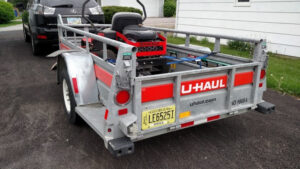
The idea of a "German U-Haul Trailer" conjures up images of meticulously engineered, robust trailers, perhaps even built with the same precision associated with German automobiles. But the reality is far more nuanced. While U-Haul is a ubiquitous name in North American moving, its presence and operation in Germany, and indeed Europe as a whole, is non-existent. Therefore, the term "German U-Haul Trailer" is a misnomer.
This article aims to unravel the misconception surrounding "German U-Haul Trailers." We'll explore why U-Haul doesn't operate in Germany, examine the alternative trailer rental and moving options available, discuss the specific regulations and considerations for using trailers in Germany, and ultimately provide a comprehensive guide to understanding trailer transport in a German context. Forget the phantom U-Haul; let's dive into the real world of German trailer rentals.
The Myth of the German U-Haul Trailer: Separating Fact from Fiction in Trailer Transport
Why No U-Haul in Germany? Understanding the European Market
U-Haul's business model, heavily reliant on a vast network of independently owned dealerships and a standardized fleet of trailers, is optimized for the North American landscape. Several factors contribute to its absence in Germany and Europe in general:
- Market Fragmentation: Europe is a continent of diverse languages, cultures, and regulations. A standardized approach, like U-Haul's, wouldn't easily translate across these borders. Each country has its own established rental companies and consumer preferences.
- Competition: Germany boasts a mature and competitive rental market. Numerous established companies offer a wide range of trailers, vans, and moving services, making it challenging for a newcomer like U-Haul to gain significant market share.
- Regulatory Differences: European regulations regarding trailer construction, safety standards, and driver licensing differ significantly from those in North America. Adapting the U-Haul fleet and business practices to meet these regulations would be a complex and costly undertaking.
- Cultural Differences: The "do-it-yourself" moving culture is less prevalent in Germany than in North America. Many Germans prefer to hire professional moving companies, further limiting the potential market for U-Haul's self-service rental model.
- Infrastructure: While Germany has an excellent road network, the density of urban areas and the availability of parking space for trailers present logistical challenges that are different from the more spread-out North American context.
Alternative Trailer Rental Options in Germany
Since U-Haul isn't an option, what are the alternatives for renting a trailer in Germany? Several reputable companies provide a wide variety of trailers for various needs:
- Local Rental Companies (Vermietung): Many smaller, independent rental companies operate in specific regions or cities. These often offer more personalized service and can be a good option for short-term rentals or specialized trailer types. Look for "Anhängervermietung" in your local search.
- Hardware Stores (Baumarkt): Large hardware store chains like Bauhaus, Hornbach, and Obi often have a rental department that includes trailers. This is a convenient option for transporting building materials or garden supplies.
- Moving Companies (Umzugsunternehmen): While primarily focused on full-service moving, some moving companies also offer trailer rentals for customers who prefer to handle the move themselves.
- Online Platforms: Platforms like Erento or Miet24 act as aggregators, listing trailers from various rental companies. This allows you to compare prices and availability across different providers.
Types of Trailers Available in Germany

German rental companies offer a diverse range of trailers to suit different needs:
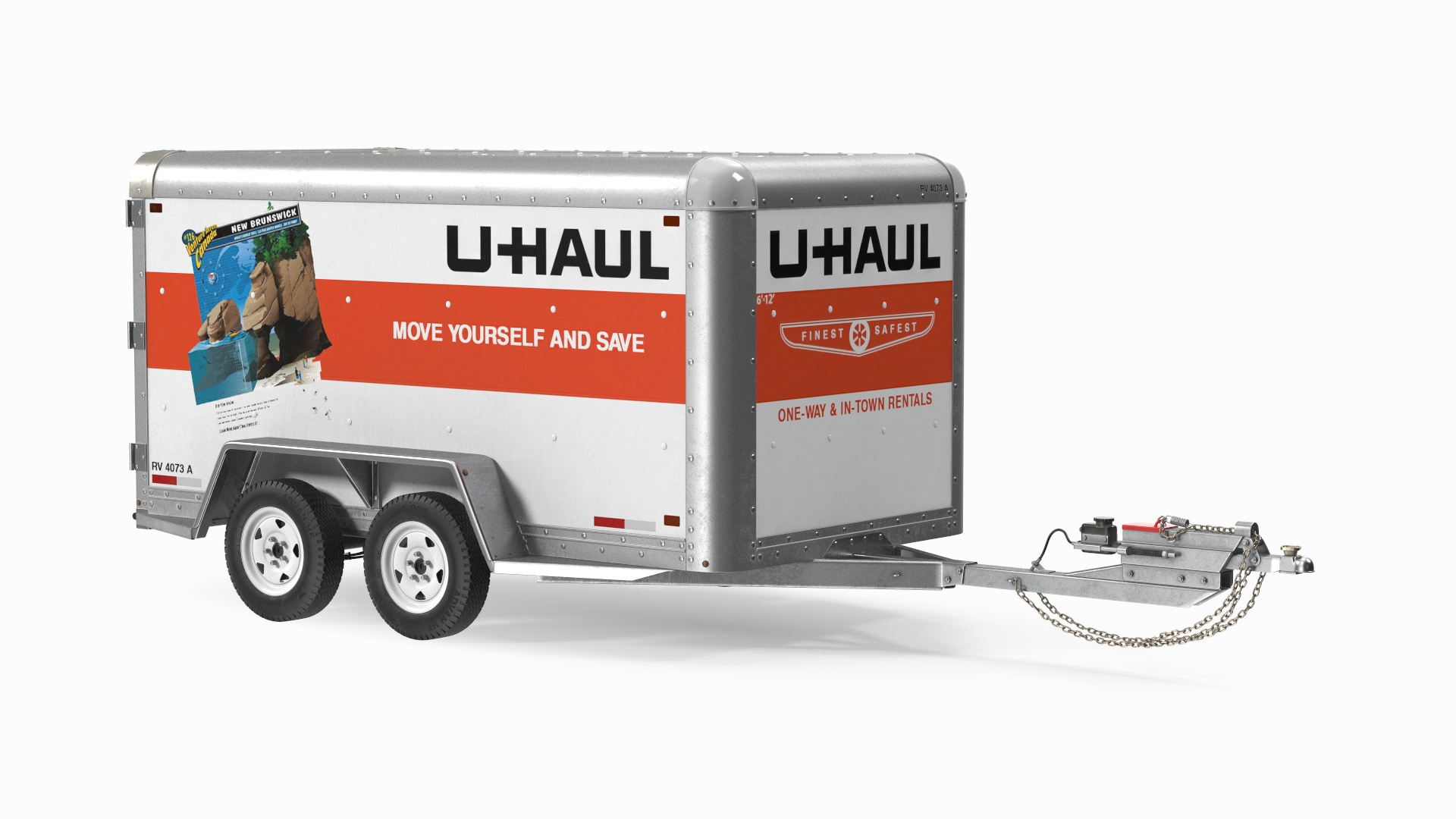
- Box Trailers (Kofferanhänger): Enclosed trailers, ideal for protecting furniture and other valuable items from the weather.
- Flatbed Trailers (Plateauanhänger): Open trailers, suitable for transporting bulky items like construction materials, vehicles, or motorcycles.
- Car Transporters (Autotransporter): Specialized trailers designed for safely transporting vehicles.
- Tilt Trailers (Kipperanhänger): Trailers that can be tilted to facilitate loading and unloading of bulk materials like gravel or sand.
- Boat Trailers (Bootstrailer): Trailers specifically designed for transporting boats.
Regulations and Considerations for Using Trailers in Germany
Understanding the regulations surrounding trailer use is crucial for a safe and legal transport experience in Germany:
- Driver's License Requirements: The type of driver's license required depends on the combined weight of the towing vehicle and the trailer. A standard Class B license typically allows towing trailers up to a certain weight limit. For heavier trailers, a Class BE or even a Class C1E license may be required. Check the specific regulations based on the vehicle and trailer weight.
- Speed Limits: The speed limit for vehicles towing trailers in Germany is generally 80 km/h (50 mph) on highways (Autobahn) and 100 km/h (62 mph) if the trailer and towing vehicle meet specific requirements (usually requiring a special certification called "Tempo 100").
- Trailer Registration: Trailers exceeding a certain weight must be registered and have their own license plate. This is usually handled by the rental company.
- Safety Equipment: Ensure the trailer is equipped with the necessary safety equipment, including lights, reflectors, and a secure hitch.
- Load Security: Properly securing the load is essential to prevent shifting or falling during transport. Use straps, nets, and other securing devices to ensure the load is stable.
- Technical Inspection (TÜV): Trailers undergo regular technical inspections (TÜV) to ensure they meet safety standards. The rental company is responsible for maintaining the trailer's technical compliance.
- Insurance: The rental company typically provides insurance coverage for the trailer itself. However, you should check your vehicle insurance policy to ensure it covers damage caused by the trailer.
Tips for Renting and Using a Trailer in Germany
- Book in Advance: Especially during peak moving seasons, book your trailer well in advance to ensure availability.
- Compare Prices: Get quotes from multiple rental companies to find the best deal.
- Inspect the Trailer: Before accepting the trailer, thoroughly inspect it for any damage or defects.
- Understand the Rental Agreement: Carefully read the rental agreement and understand the terms and conditions, including insurance coverage and return procedures.
- Practice Driving: If you're not experienced with towing a trailer, practice driving in a safe area before hitting the road.
- Plan Your Route: Consider the size and weight of the trailer when planning your route, especially in urban areas.
- Drive Safely: Maintain a safe following distance, avoid sudden maneuvers, and be aware of the trailer's dimensions when turning or parking.
Potential Challenges and Solutions
- Language Barrier: If you don't speak German, renting a trailer can be challenging. Bring a translator or use online translation tools to communicate with the rental company.
- Finding Parking: Parking a trailer can be difficult in crowded urban areas. Plan your route carefully and look for parking spaces specifically designated for trailers.
- Unexpected Problems: If you encounter any problems with the trailer during your rental, contact the rental company immediately for assistance.
Price Table of German Trailer Rentals (Estimates Only - Prices Vary Widely)
| Trailer Type | Daily Rate (EUR) | Weekly Rate (EUR) | Notes |
|---|---|---|---|
| Small Box Trailer | 25-40 | 150-250 | Ideal for small moves, furniture. |
| Medium Box Trailer | 35-55 | 220-350 | Suitable for larger furniture, appliances. |
| Large Box Trailer | 50-80 | 300-500 | For full apartment moves. |
| Flatbed Trailer | 30-50 | 180-300 | Construction materials, landscaping supplies. |
| Car Transporter | 70-120 | 450-700 | Requires specific licensing. |
| Tilt Trailer | 40-60 | 250-400 | Gravel, sand, etc. |
Disclaimer: These prices are estimates only and can vary widely depending on the rental company, location, time of year, and trailer specifications. Always contact the rental company for a specific quote.
Frequently Asked Questions (FAQ)
-
Q: Is there a U-Haul in Germany? A: No, U-Haul does not operate in Germany or anywhere in Europe.
-
Q: What are the alternatives to U-Haul in Germany? A: Several local rental companies, hardware stores, moving companies, and online platforms offer trailer rentals in Germany.
-
Q: What type of driver's license do I need to tow a trailer in Germany? A: The required license depends on the combined weight of the vehicle and trailer. A standard Class B license may be sufficient for smaller trailers, while larger trailers may require a Class BE or C1E license.
-
Q: What is the speed limit for vehicles towing trailers in Germany? A: The general speed limit is 80 km/h (50 mph) on highways, but it can be 100 km/h (62 mph) if the trailer and vehicle meet specific requirements.
-
Q: Do I need to register a trailer I rent in Germany? A: Trailers exceeding a certain weight must be registered. This is typically handled by the rental company.
-
Q: What if I have an accident with a rented trailer in Germany? A: Contact the rental company immediately and follow their instructions. Exchange information with the other party involved and file a police report if necessary.
Conclusion: Navigating Trailer Transport in Germany
While the "German U-Haul Trailer" remains a figment of the imagination, the reality of trailer rental in Germany is far from lacking. A vibrant market offers a diverse range of trailers and rental options to suit various needs. By understanding the local regulations, considering the available alternatives, and planning carefully, you can navigate the world of trailer transport in Germany with confidence. Remember to prioritize safety, choose a reputable rental company, and enjoy the convenience of having the right trailer for the job. Happy travels!
0 comments