Toyota, a name synonymous with reliability, innovation, and global automotive leadership, isn't just a single brand; it's a powerhouse of distinct brands catering to diverse needs and preferences. Understanding the nuances of Toyota's brand portfolio is crucial for anyone considering purchasing a vehicle, investing in the automotive industry, or simply seeking a deeper appreciation of this global giant. This comprehensive guide will explore the various facets of Toyota's brand landscape, providing valuable insights, practical advice, and actionable information to help you navigate this complex world.
Introduction: Defining Toyota Brands and Their Significance
Toyota Brands: A Comprehensive Guide to the Automotive Giant's Offerings
Toyota Brands refers to the collection of automotive marques owned and operated by Toyota Motor Corporation. Beyond the ubiquitous Toyota nameplate, this portfolio includes Lexus, known for its luxury vehicles, Daihatsu, specializing in compact cars and Kei cars (primarily for the Japanese market), and Hino, focusing on commercial vehicles like trucks and buses. Each brand operates with a distinct identity, target audience, and product strategy, allowing Toyota to effectively capture a broader market share and cater to a wider range of consumer needs.
The significance of Toyota Brands lies in its contribution to the overall success and resilience of Toyota Motor Corporation. By diversifying its offerings, Toyota mitigates risks associated with market fluctuations and changing consumer preferences. This multi-brand strategy allows Toyota to tap into different market segments, fostering growth and solidifying its position as one of the world's leading automotive manufacturers. Understanding this structure is essential for comprehending Toyota's global influence and its ability to adapt to evolving market dynamics.
Section 1: The Core – Toyota: The Brand That Defines Reliability
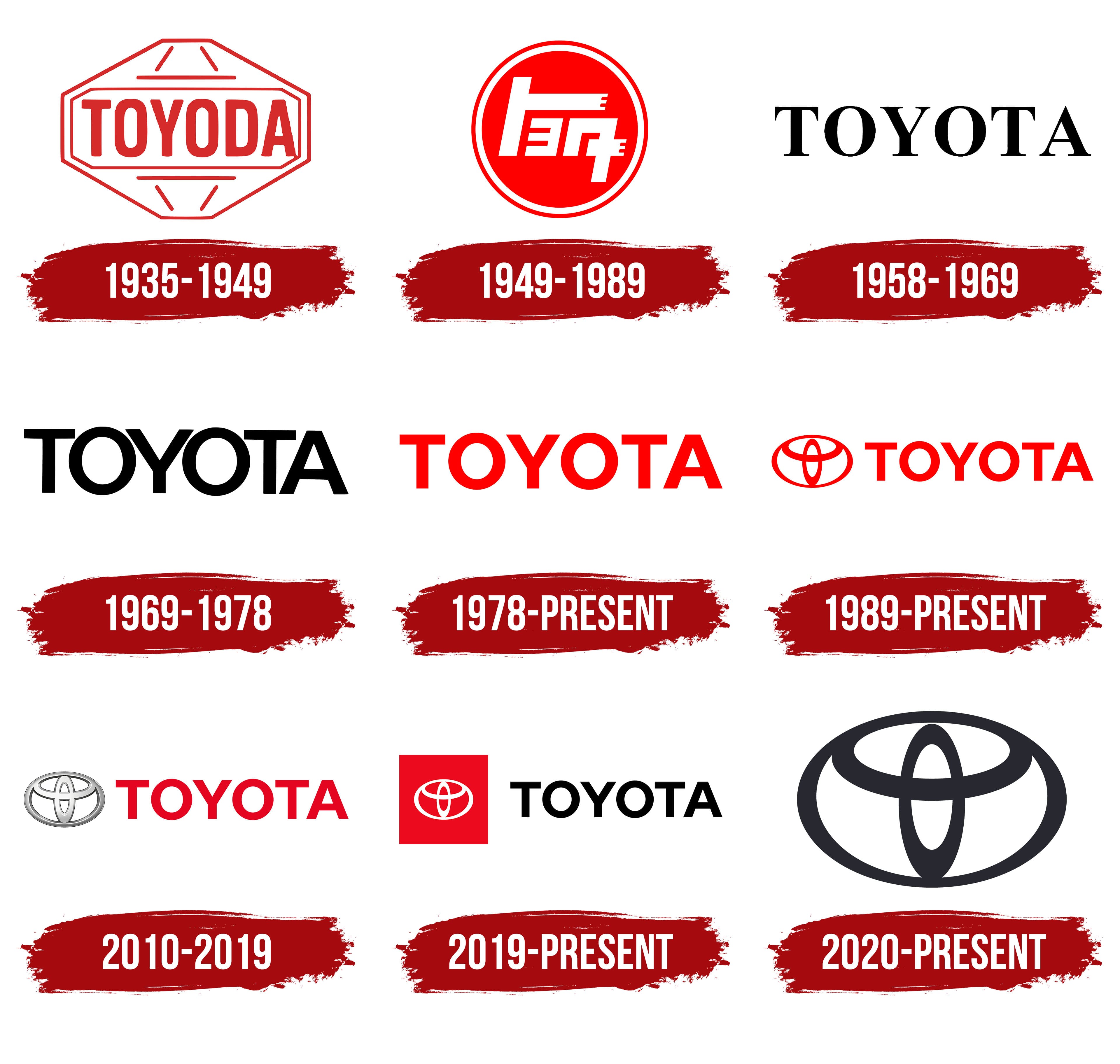
Toyota is the cornerstone of Toyota Brands, representing the core values of reliability, practicality, and value for money. This brand is known for producing vehicles that are dependable, fuel-efficient, and accessible to a wide range of consumers.
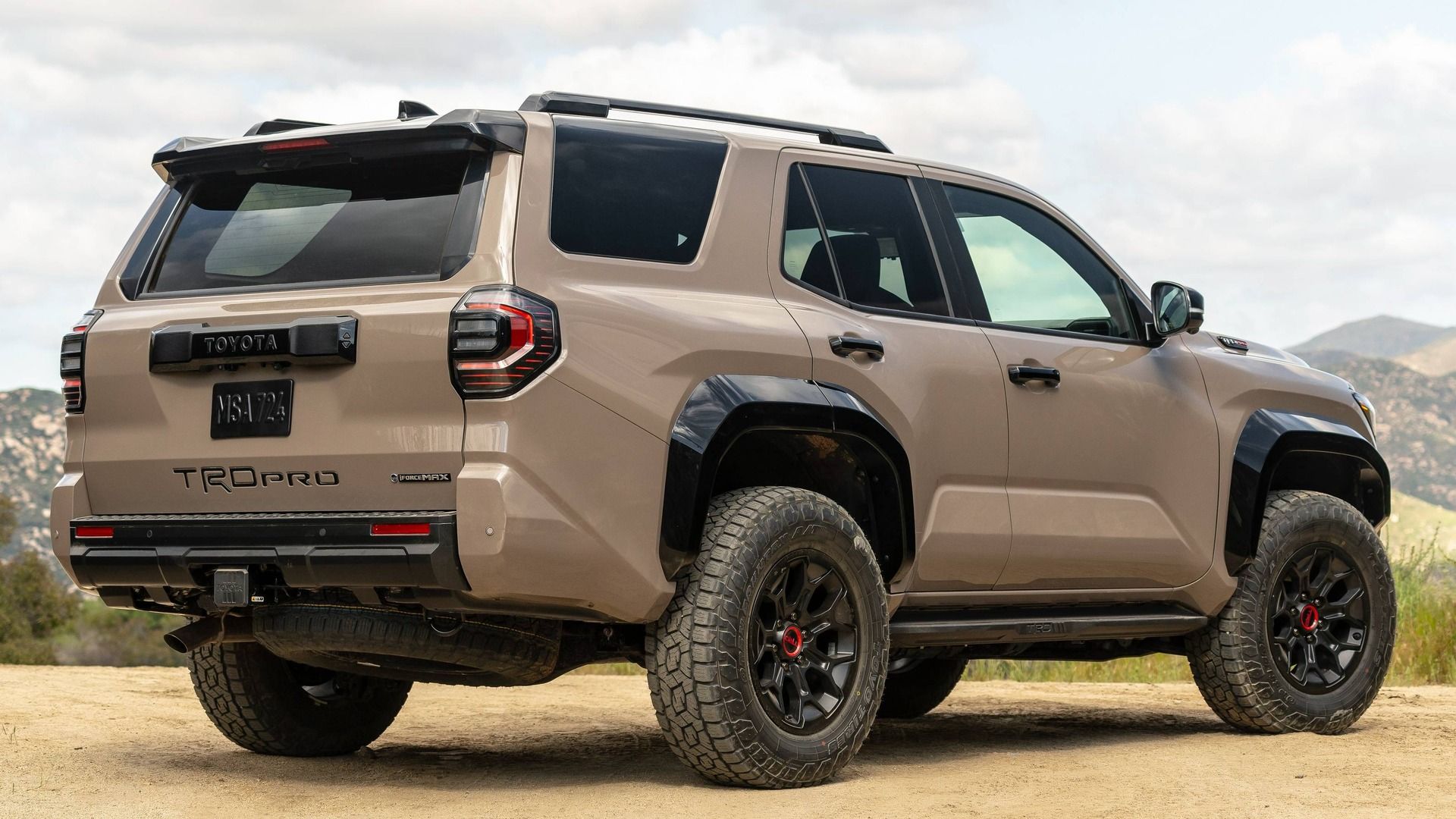
- Key Information: Toyota vehicles range from compact cars like the Corolla and Yaris to SUVs like the RAV4 and Highlander, trucks like the Tacoma and Tundra, and hybrid vehicles like the Prius.
- Benefits: Renowned for their longevity and low maintenance costs, Toyota vehicles offer excellent resale value and peace of mind.
- How-to Guide (Choosing a Toyota):
- Define Your Needs: Determine your primary vehicle use (commuting, family transportation, off-roading, etc.).
- Set Your Budget: Establish a realistic price range considering financing options and potential maintenance costs.
- Research Models: Explore Toyota models that align with your needs and budget, comparing features, fuel efficiency, and safety ratings.
- Test Drive: Visit a Toyota dealership and test drive the shortlisted models to assess their comfort, handling, and overall suitability.
- Consider Hybrid Options: If fuel efficiency is a priority, explore Toyota's extensive hybrid lineup.
- Negotiate the Price: Don't hesitate to negotiate the final price and explore available incentives and rebates.

- Important Considerations: While Toyota excels in reliability, its designs have sometimes been perceived as conservative. However, recent models showcase a more dynamic and stylish aesthetic.
- Tips: Consider purchasing a Certified Pre-Owned Toyota for added warranty coverage and peace of mind. Check online reviews and owner forums for insights into specific models.
- Potential Challenges/Solutions:
- Challenge: Limited availability of certain models due to high demand.
- Solution: Consider placing an order in advance or exploring different dealerships.
Section 2: Lexus: The Pursuit of Perfection in Luxury
Lexus represents Toyota's foray into the luxury automotive market, offering vehicles that combine sophisticated design, advanced technology, and exceptional craftsmanship.
- Key Information: Lexus vehicles range from sedans like the ES and LS to SUVs like the RX and LX, coupes like the RC, and performance models like the LC.
- Benefits: Lexus provides a premium ownership experience with luxurious interiors, cutting-edge technology, and exceptional customer service.
- How-to Guide (Experiencing Lexus Luxury):
- Visit a Lexus Dealership: Immerse yourself in the Lexus atmosphere and experience the brand's commitment to customer satisfaction.
- Explore the Lineup: Discover the diverse range of Lexus models and their unique features.
- Test Drive a Lexus: Experience the smooth ride, refined handling, and advanced technology firsthand.
- Consider Interior Options: Customize your Lexus with premium leather, wood trim, and advanced entertainment systems.
- Explore Lexus Safety System+: Familiarize yourself with the suite of advanced safety features that enhance driver awareness and prevent accidents.
- Important Considerations: Lexus vehicles typically command a higher price point than Toyota models, reflecting their premium features and luxury appointments.
- Tips: Explore the Lexus Enform suite of connected services for enhanced convenience and security. Consider leasing a Lexus to experience the brand's luxury without long-term commitment.
- Potential Challenges/Solutions:
- Challenge: Navigating the complex array of technology features.
- Solution: Take advantage of the Lexus dealership's training programs and online resources to learn about the vehicle's features.
Section 3: Daihatsu: Compact Solutions for the Japanese Market (and Beyond)
Daihatsu specializes in compact cars and Kei cars, primarily catering to the Japanese market. These vehicles are known for their fuel efficiency, affordability, and practicality in urban environments.
- Key Information: Daihatsu's lineup includes small hatchbacks, minivans, and SUVs, often featuring innovative space-saving designs. While primarily focused on the Japanese market, Daihatsu also has a presence in select international markets.
- Benefits: Daihatsu vehicles are highly fuel-efficient and easy to maneuver in congested city streets. They offer a practical and affordable transportation solution for urban dwellers.
- Important Considerations: Daihatsu vehicles are generally not available in North America. Their focus is primarily on the Japanese and Southeast Asian markets.
- Tips: If you're traveling or living in Japan, consider renting a Daihatsu to experience its unique blend of practicality and affordability.
Section 4: Hino: Powering Businesses with Commercial Vehicles
Hino Motors is Toyota's subsidiary specializing in the production of commercial vehicles, including trucks, buses, and industrial engines.
- Key Information: Hino trucks range from light-duty to heavy-duty models, catering to a wide range of commercial applications. Hino buses are used in public transportation systems and charter services worldwide.
- Benefits: Hino vehicles are known for their durability, reliability, and fuel efficiency, making them a cost-effective solution for businesses.
- Important Considerations: Hino focuses exclusively on commercial vehicles and does not produce passenger cars.
- Tips: Consider Hino for your commercial vehicle needs if reliability and fuel efficiency are key priorities.
Practical Advice and Actionable Insights:
- Research is Key: Before purchasing any vehicle, regardless of the brand, conduct thorough research to compare models, features, and pricing.
- Consider Your Needs: Align your vehicle choice with your specific needs and lifestyle.
- Test Drive Extensively: Spend ample time test driving different models to assess their comfort, handling, and overall suitability.
- Explore Financing Options: Compare financing rates and terms from different lenders to secure the best deal.
- Maintain Your Vehicle: Regular maintenance is crucial for ensuring the longevity and reliability of your vehicle.
Table of Toyota Brand Models and Pricing (Estimates)
| Brand | Model | Starting Price (USD - Approx.) | Key Features | Target Audience |
|---|---|---|---|---|
| Toyota | Corolla | $22,000 | Fuel efficiency, reliability, standard safety features | Commuters, first-time buyers, budget-conscious consumers |
| Toyota | RAV4 | $28,000 | Versatile SUV, ample cargo space, available hybrid powertrain | Families, outdoor enthusiasts, those seeking practicality |
| Toyota | Tundra | $39,000 | Powerful truck, towing capability, available off-road packages | Contractors, tradespeople, those needing a capable truck |
| Lexus | ES | $43,000 | Luxury sedan, comfortable ride, refined interior | Professionals, luxury car buyers, those seeking comfort and style |
| Lexus | RX | $49,000 | Luxury SUV, spacious interior, advanced technology features | Families, luxury SUV buyers, those seeking a premium experience |
| Lexus | LX | $90,000 | High-end luxury SUV, off-road capability, opulent features | Affluent buyers, those seeking ultimate luxury and capability |
| Daihatsu | (Note: Not available in North America) | (Japan-Specific) | Kei cars, compact cars, fuel efficiency, urban mobility | (Japan-Specific) Urban dwellers, those seeking affordability |
| Hino | (Commercial Vehicles - Varies Greatly) | Varies Significantly | Trucks, buses, durability, reliability, commercial applications | Businesses, transportation companies, fleet operators |
Disclaimer: Prices are approximate and may vary depending on location, options, and incentives. Daihatsu models are primarily available in Japan and select international markets. Hino pricing varies significantly depending on the specific commercial vehicle configuration.
Frequently Asked Questions (FAQ)
-
Q: What is the difference between Toyota and Lexus?
- A: Toyota focuses on reliability, practicality, and value, while Lexus emphasizes luxury, performance, and advanced technology.
-
Q: Are Daihatsu vehicles available in the United States?
- A: No, Daihatsu vehicles are primarily sold in Japan and select international markets.
-
Q: Does Toyota own Hino Motors?
- A: Yes, Hino Motors is a subsidiary of Toyota Motor Corporation.
-
Q: Which Toyota brand is best for fuel efficiency?
- A: Toyota, particularly the Prius and other hybrid models, is known for its excellent fuel efficiency. Daihatsu (in markets where it's available) also offers highly fuel-efficient compact cars.
-
Q: Where can I find more information about Toyota Brands?
- A: Visit the official websites of Toyota, Lexus, Daihatsu (if applicable), and Hino Motors for detailed information about their products and services.
Concluding Summary
Toyota Brands represents a strategic approach to capturing diverse market segments and catering to a wide range of consumer needs. From the reliable and accessible Toyota to the luxurious Lexus, the compact Daihatsu, and the robust Hino, each brand plays a crucial role in the overall success of Toyota Motor Corporation. Understanding the nuances of these brands empowers consumers to make informed decisions and appreciate the global impact of this automotive giant. As the automotive industry continues to evolve, Toyota's multi-brand strategy positions it for continued growth and innovation in the years to come. The strength of the Toyota brand ecosystem lies not just in its individual parts, but in the synergy and strategic alignment that allows Toyota to navigate the complex automotive landscape with remarkable resilience and enduring success.

0 comments