The automotive landscape is a vast and varied one, stretching from the practicality of budget-friendly models to the opulent extravagance of high-end luxury vehicles. Somewhere in the middle lies a sweet spot, a category we can comfortably call "Semi Expensive Cars." These vehicles represent a compelling compromise, offering a significant step up in features, performance, and prestige compared to entry-level options, without the exorbitant price tags associated with true luxury cars. This article will delve into the world of semi-expensive cars, exploring what defines them, their benefits, considerations when purchasing, and ultimately, why they represent such an appealing choice for many discerning buyers.
Introduction: Defining the "Semi Expensive" Car
Semi Expensive Cars: Bridging the Gap Between Luxury and Affordability
The term "semi expensive" is, admittedly, subjective. What one person considers expensive, another might view as attainable. However, for the purpose of this article, we will define semi-expensive cars as those with a new car price range of approximately $40,000 to $70,000. This range encompasses a broad selection of vehicles from various manufacturers, offering a compelling blend of features, performance, and brand cachet.
These cars often represent a significant investment, more than a typical commuter vehicle, but less than a true luxury car. They're the kind of car that might be aspirational, something you save up for, or the reward for hard work and success. They are not solely about practicality; they are about enjoying the driving experience, appreciating quality craftsmanship, and making a statement (albeit a more subtle one than owning a six-figure exotic).
Why Choose a Semi Expensive Car? The Benefits of the Mid-Range
The allure of semi-expensive cars lies in the balanced proposition they offer. Here are some key advantages:
-
Enhanced Features and Technology: Stepping up from a more basic model typically unlocks access to a wider range of features and technologies. This could include advanced driver-assistance systems (ADAS) like adaptive cruise control, lane keeping assist, and blind-spot monitoring, improving safety and convenience. Infotainment systems often become more sophisticated with larger touchscreens, premium sound systems, and seamless smartphone integration.
-
Improved Performance and Handling: Semi-expensive cars often boast more powerful engines, refined suspension systems, and better overall handling characteristics. This translates to a more engaging and enjoyable driving experience, whether it's the responsiveness of a turbocharged engine or the confident cornering of a well-tuned chassis.
-
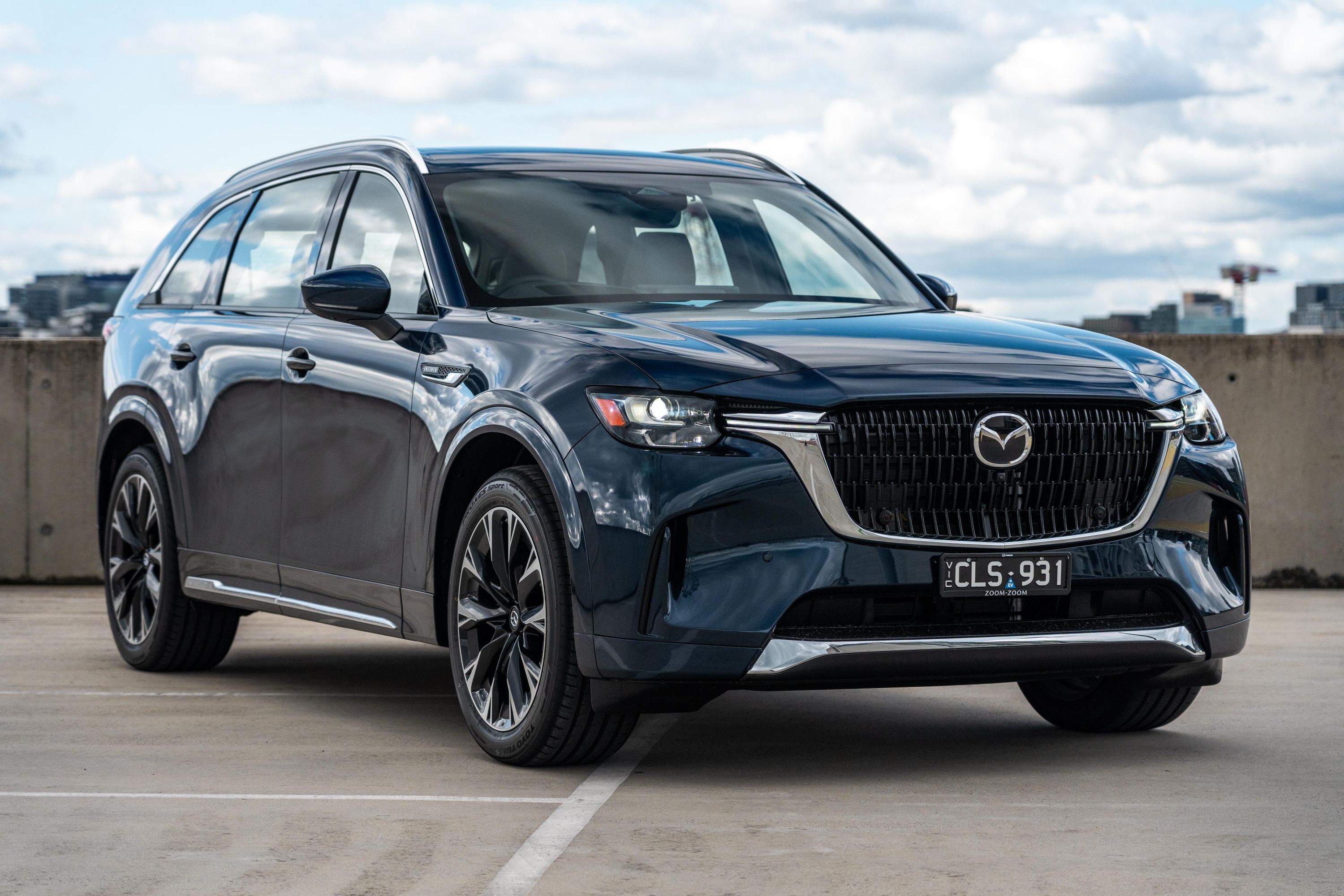
Higher Quality Materials and Craftsmanship: A noticeable difference between entry-level and semi-expensive cars is the quality of materials used in the interior. Expect to find more leather, softer-touch plastics, and higher-grade fabrics. Craftsmanship is also generally improved, with more attention paid to detail and fit and finish.
-
Greater Comfort and Refinement: Ride comfort is often significantly improved in this price range. Better sound insulation, more supportive seats, and advanced climate control systems contribute to a more relaxed and enjoyable driving experience, especially on longer journeys.

Prestige and Brand Image: While not at the level of ultra-luxury brands, owning a semi-expensive car can still provide a certain level of prestige and enhance one's image. Brands like Acura, Lexus, Volvo, and Genesis offer a compelling blend of luxury and value, allowing buyers to enjoy a premium experience without the extravagant price tag.
-
Better Resale Value: Generally, vehicles in this category hold their value better than cheaper, mass-market models. This is due to their higher build quality, desirable features, and overall perceived value. This can translate to a lower total cost of ownership in the long run.

Navigating the Semi-Expensive Landscape: Types and Categories
The $40,000 - $70,000 price range offers a diverse selection of vehicles across various categories:
-
Luxury Sedans/Coupes: Models like the Acura TLX, Lexus IS, Genesis G70, and BMW 3 Series (base models) offer a blend of performance, luxury, and technology.
-
Luxury SUVs/Crossovers: Popular choices include the Acura RDX, Lexus NX, Volvo XC60, and Genesis GV70. These vehicles provide ample space, practicality, and a comfortable ride.
-
Performance-Oriented Cars: Sports cars like the Subaru WRX STI (higher trims), Toyota Supra (2.0L and lower 3.0L trims), and Nissan Z offer thrilling driving experiences.
-
Electric Vehicles (EVs): The semi-expensive range is increasingly populated with compelling EVs like the Tesla Model 3 (Long Range), Hyundai IONIQ 5, Kia EV6, and Polestar 2.
-
Premium Trucks: Mid-size trucks like the Toyota Tacoma TRD Pro and Ford Ranger Tremor fall within this price range, offering off-road capability and a rugged aesthetic.
Important Considerations Before You Buy
Before committing to a semi-expensive car, consider these factors:
-
Budget: Determine your maximum budget and stick to it. Remember to factor in not just the purchase price, but also insurance, registration, maintenance, and fuel costs.
-
Needs and Priorities: What are your primary needs? Do you need space for a family, fuel efficiency for commuting, or performance for weekend drives? Prioritize features and characteristics that are most important to you.
-
Research and Comparison: Thoroughly research different models and compare their features, performance, reliability, and price. Read reviews from reputable sources and consult owner forums.
-
Test Drive: Always test drive multiple vehicles before making a decision. Pay attention to the driving experience, comfort, and overall feel of the car.
-
Negotiation: Don't be afraid to negotiate the price with the dealer. Research the fair market value of the car and be prepared to walk away if you're not getting a good deal.
-
Financing: Explore different financing options and compare interest rates and loan terms. Consider getting pre-approved for a loan before you start shopping.
-
Long-Term Ownership Costs: Research the predicted maintenance costs, repair costs, and insurance rates for the vehicles you are considering. This will give you a better idea of the total cost of ownership.
Tips for Getting the Most Value
-
Consider Buying Slightly Used: A gently used model, just a year or two old, can often be purchased for a significant discount compared to a new car.
-
Shop at the End of the Month/Quarter: Dealers are often more willing to negotiate at the end of the month or quarter to meet sales targets.
-
Look for Incentives and Rebates: Manufacturers often offer incentives and rebates to attract buyers. Check for these on the manufacturer's website or through your dealer.
-
Don't Be Afraid to Walk Away: If you're not happy with the price or terms, be prepared to walk away. There are plenty of other cars out there.
Potential Challenges and Solutions
-
Higher Maintenance Costs: Semi-expensive cars often require more specialized maintenance and repairs, which can be more costly than for basic vehicles. Solution: Research the predicted maintenance costs before you buy and consider purchasing an extended warranty.
-
Depreciation: While they generally hold their value better than cheaper cars, semi-expensive cars still depreciate over time. Solution: Choose a model with a good reputation for resale value and maintain it well.
-
Feature Overload: Some semi-expensive cars are packed with so many features that it can be overwhelming. Solution: Focus on features that are truly useful to you and learn how to use them effectively.
Price Table of Semi Expensive Cars:
| Make & Model | MSRP (Starting Price) | Engine Type | Horsepower | Fuel Economy (City/Highway) | Notable Features |
|---|---|---|---|---|---|
| Acura TLX | $40,000 | 2.0L Turbo I4 | 272 | 22/31 MPG | AcuraWatch Safety Suite, ELS Studio Premium Audio, Available SH-AWD |
| Lexus NX | $42,000 | 2.5L I4 | 203 | 26/33 MPG | Lexus Safety System+ 3.0, Wireless Apple CarPlay/Android Auto, Available AWD |
| Volvo XC60 | $45,000 | 2.0L Turbo I4 | 250 | 23/30 MPG | Pilot Assist, Google built-in, Advanced safety features |
| Genesis GV70 | $43,000 | 2.5L Turbo I4 | 300 | 22/28 MPG | Advanced Driver Assistance Systems, Premium Leather Seats, Stylish Design |
| Tesla Model 3 (LR) | $47,000 | Electric | N/A | 132 MPGe Combined | Autopilot, Long Range Battery, Minimalist Interior |
| BMW 3 Series (Base) | $44,000 | 2.0L Turbo I4 | 255 | 25/34 MPG | iDrive infotainment system, Sporty handling, Premium interior |
| Toyota Supra (2.0L) | $43,000 | 2.0L Turbo I4 | 255 | 25/32 MPG | Sporty Handling, Iconic Design, Performance-focused features |
| Land Rover Discovery Sport | $44,000 | 2.0L Turbo I4 | 246 | 19/23 MPG | Off-Road Capability, Premium Interior, Versatile Cargo Space |
| Cadillac CT5 | $40,000 | 2.0L Turbo I4 | 237 | 23/33 MPG | Cadillac User Experience, Driver Assist Technologies, Available Super Cruise |
| Infiniti Q50 | $43,000 | 3.0L Twin-Turbo V6 | 300 | 20/29 MPG | Dual Touchscreen Display, Sporty Performance, Luxurious Interior |
Frequently Asked Questions (FAQ)
-
Q: Are semi-expensive cars worth the extra money?
- A: It depends on your individual needs and priorities. If you value enhanced features, performance, comfort, and prestige, then a semi-expensive car can be a worthwhile investment.
-
Q: How much should I spend on a car?
- A: A common rule of thumb is to spend no more than 20% of your annual income on a car. However, this can vary depending on your financial situation and other expenses.
-
Q: Is it better to buy new or used?
- A: Buying new offers the latest features and a full warranty, but used cars can offer significant savings. Consider your budget and priorities when making this decision.
-
Q: What are the best semi-expensive car brands?
- A: Brands like Acura, Lexus, Volvo, Genesis, and BMW offer a compelling blend of luxury and value in this price range.
-
Q: How can I get the best deal on a semi-expensive car?
- A: Research different models, compare prices, negotiate with dealers, and shop at the end of the month or quarter.
Conclusion: The Sweet Spot of Automotive Ownership
Semi-expensive cars represent a compelling middle ground in the automotive market. They offer a significant upgrade in features, performance, and prestige compared to entry-level models, without the eye-watering price tags associated with true luxury vehicles. By carefully considering your needs, budget, and priorities, you can find a semi-expensive car that perfectly suits your lifestyle and provides years of enjoyable driving. They aren't just a way to get from point A to point B; they're a statement of achievement, a reward for hard work, and a source of driving pleasure. And for many, that makes them well worth the investment.

0 comments