Used Flatbed For Sale By Owner: A Comprehensive Guide to Finding the Right One
Buying a used flatbed trailer can be a smart move for individuals and businesses looking to save money while still acquiring a reliable piece of equipment. However, navigating the "for sale by owner" market requires careful research, inspection, and negotiation. This comprehensive guide will walk you through everything you need to know to find the perfect used flatbed, avoid common pitfalls, and secure a great deal.
Used Flatbed For Sale By Owner
Why Choose a Used Flatbed Trailer?
Flatbed trailers are versatile workhorses, capable of hauling a wide variety of cargo, from construction materials to heavy equipment. Opting for a used flatbed, especially one sold directly by the owner, offers several advantages:
-
Cost Savings: Used trailers are significantly cheaper than new ones. The initial depreciation hit has already been absorbed, allowing you to acquire a functional trailer at a fraction of the original price. This can be a major benefit for small businesses or individuals on a budget.
-
Availability: You may find a specific flatbed configuration or brand that is no longer manufactured new but is available on the used market. This opens up options for specialized hauling needs.

-
Negotiation Opportunities: Dealing directly with the owner often provides more room for negotiation than buying from a dealership. You can discuss the trailer's history, condition, and any potential issues directly with the person who used it.
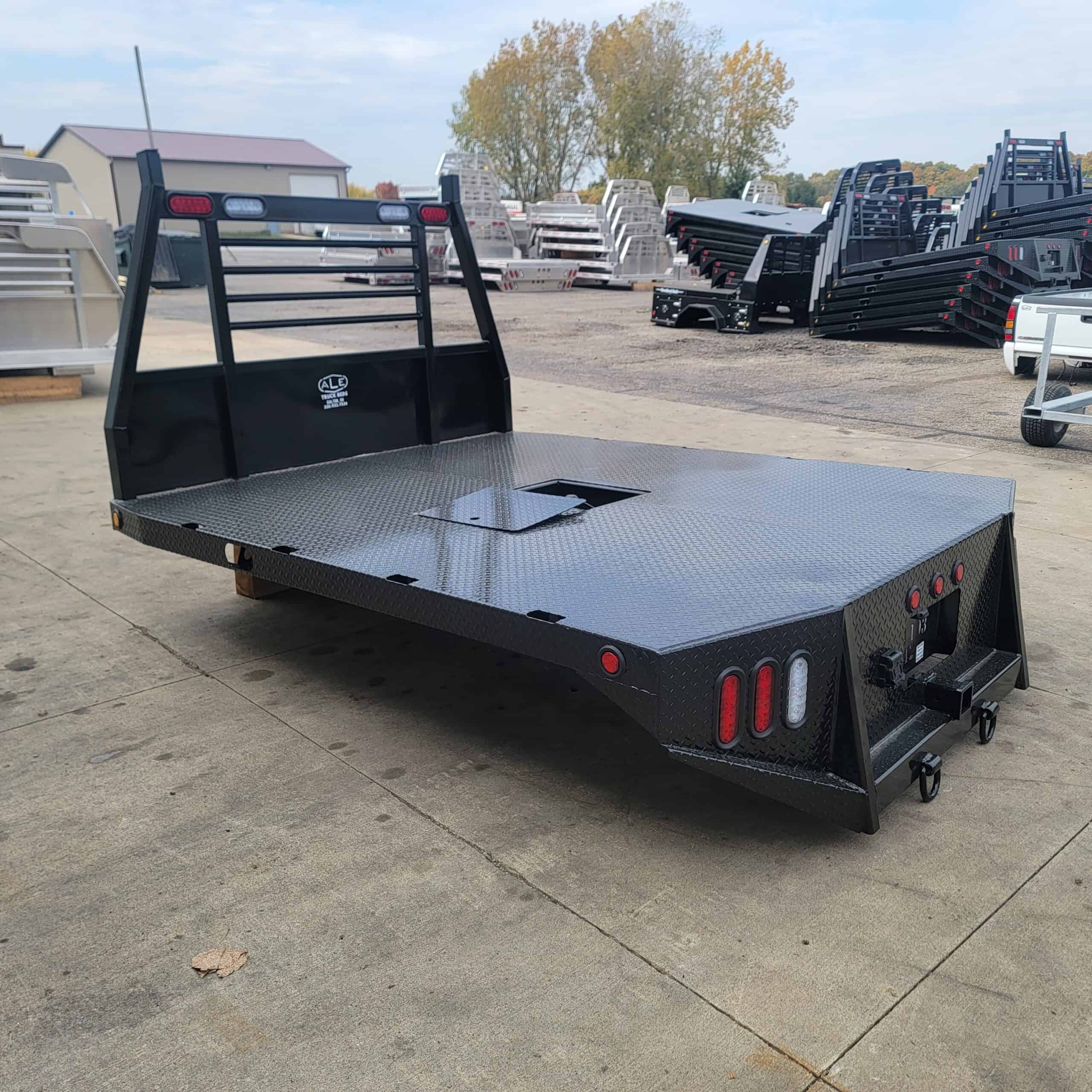
Finding Used Flatbeds For Sale By Owner: Where to Look
The internet has revolutionized the way we buy and sell used equipment. Here are some of the best places to find used flatbeds for sale by owner:
-
Online Marketplaces: Websites like Craigslist, Facebook Marketplace, and eBay Motors are popular platforms for individuals selling used trailers. These sites offer a wide selection and allow you to filter your search by location, price, and other criteria.
-
Industry-Specific Forums and Classifieds: Many online forums and classifieds cater specifically to the trucking and transportation industries. These platforms often attract more serious buyers and sellers and can provide access to specialized trailers.
-
Local Classified Ads: Don't overlook traditional sources like local newspapers and classified ad publications. These may still contain listings from owners in your area.
-
Word of Mouth: Let your network know you're looking for a used flatbed. You might be surprised at how many people know someone who's selling one.

What to Look For: Key Features and Specifications
Before you start browsing listings, it's essential to understand the different types of flatbed trailers and the features that are important for your specific hauling needs.
-
Types of Flatbeds:
- Standard Flatbeds: The most common type, featuring a flat, open deck with no sides or roof.
- Drop Deck Flatbeds (Lowboys): Designed for hauling oversized or unusually tall cargo.
- Extendable Flatbeds: Can be extended in length to accommodate longer loads.
-
Dimensions and Weight Capacity: Determine the length, width, and weight capacity you need based on the type of cargo you'll be hauling. Consider both the maximum weight you'll be carrying and the distribution of that weight. Overloading a trailer can lead to serious accidents and damage.
-
Material: Flatbeds are typically made of steel or aluminum. Steel is stronger and more durable but also heavier. Aluminum is lighter and more fuel-efficient but may not be as strong.
-
Axles: The number of axles affects the trailer's weight capacity and stability. Tandem-axle trailers are common, but some heavier-duty models have three or more axles.
-
Brakes: Ensure the trailer has functioning brakes and that they are properly maintained. Air brakes are common on larger flatbeds.
-
Tires: Check the condition of the tires, including the tread depth and sidewalls. Worn or damaged tires can be a safety hazard.
-
Tie-Down Points: Inspect the tie-down points (D-rings, stake pockets, etc.) to ensure they are in good condition and securely attached to the trailer frame.
The Inspection Process: A Critical Step
Once you've found a potential flatbed, it's crucial to conduct a thorough inspection before making an offer. Here's what to look for:
-
Frame: Check for rust, cracks, bends, or other signs of damage. Pay close attention to the welds and joints. A damaged frame can compromise the trailer's structural integrity.
-
Decking: Inspect the decking for rot, cracks, or warping. Wood decking should be treated to prevent decay.
-
Axles and Suspension: Examine the axles for signs of wear or damage. Check the suspension components, including the springs, shocks, and air bags (if equipped).
-
Brakes: Test the brakes to ensure they are functioning properly. Check the brake lines for leaks or damage.
-
Lights: Verify that all lights are working, including the brake lights, turn signals, and running lights.
-
Wiring: Inspect the wiring harness for damage or corrosion. Faulty wiring can cause electrical problems.
-
Hitch: Check the hitch for wear or damage. Ensure it is compatible with your tow vehicle.
-
Documentation: Ask the seller for the trailer's title, registration, and any maintenance records. This information can help you verify the trailer's ownership and history.
Pro tips from us: Bring a flashlight, a measuring tape, and a notepad to the inspection. Take pictures of any damage or areas of concern.
Negotiating the Price: Getting a Good Deal
Negotiating the price is an essential part of buying a used flatbed. Here are some tips to help you get a good deal:
-
Do Your Research: Before you start negotiating, research the market value of similar trailers in your area. This will give you a benchmark to work from.
-
Be Prepared to Walk Away: Don't be afraid to walk away from a deal if the price isn't right. There are plenty of other used flatbeds out there.
-
Point Out Any Flaws: Use the inspection results to justify a lower price. Point out any damage or areas of concern to the seller.
-
Be Respectful: Even if you're trying to negotiate a lower price, be respectful to the seller. A positive attitude can go a long way.
-
Consider the Total Cost: Don't just focus on the purchase price. Factor in the cost of any repairs, maintenance, or upgrades that you'll need to make.
Common mistakes to avoid are: Rushing the inspection process, failing to negotiate, and neglecting to verify the trailer's ownership.
The Paperwork: Ensuring a Smooth Transaction
Once you've agreed on a price, it's important to handle the paperwork correctly to ensure a smooth transaction.
-
Bill of Sale: Obtain a written bill of sale that includes the seller's name, address, and contact information; the trailer's year, make, and model; the VIN; the purchase price; and the date of sale.
-
Title Transfer: Make sure the seller properly transfers the title to you. This may involve signing the title over to you and submitting it to your local DMV.
-
Registration: Register the trailer in your name with your local DMV. This will require proof of ownership (the title) and proof of insurance.
Safety First: Before You Hit the Road
Before you start hauling cargo with your used flatbed, it's essential to ensure it's safe and roadworthy.
-
Maintenance: Perform any necessary maintenance, such as lubricating the axles, checking the brakes, and replacing worn tires.
-
Load Securement: Learn how to properly secure your cargo to the flatbed. Use straps, chains, or other tie-down devices to prevent the load from shifting during transit.
-
Weight Distribution: Distribute the weight of your cargo evenly across the trailer. Uneven weight distribution can affect the trailer's stability and handling.
-
Regulations: Be aware of any regulations regarding the transportation of cargo in your area. This may include weight limits, height restrictions, and permit requirements.
Based on my experience..., Investing in a quality load securement system is worth the money. It will prevent accidents and protect your cargo.
Maintaining Your Used Flatbed: Extending Its Lifespan
Proper maintenance is essential for extending the lifespan of your used flatbed.
-
Regular Inspections: Conduct regular inspections of the trailer, looking for signs of wear or damage.
-
Lubrication: Lubricate the axles, hinges, and other moving parts regularly.
-
Cleaning: Clean the trailer regularly to remove dirt, grime, and salt.
-
Rust Prevention: Apply rust preventative to the frame and other metal components.
-
Repairs: Address any repairs promptly to prevent minor issues from becoming major problems.
Conclusion: A Smart Investment with Careful Planning
Buying a used flatbed for sale by owner can be a cost-effective way to acquire a versatile and reliable trailer. By following the steps outlined in this guide, you can find the perfect flatbed for your needs, negotiate a fair price, and ensure a safe and successful hauling experience. Remember to prioritize safety, conduct thorough inspections, and maintain your trailer properly to maximize its lifespan and value.
External Link: Commercial Truck Trader - A great resource for finding commercial vehicles and trailers.
[Internal Link: [Insert Link to another relevant article on your blog here, e.g., "Trailer Maintenance Tips"]]
[Internal Link: [Insert Link to another relevant article on your blog here, e.g., "Understanding Trailer Weight Ratings"]]

0 comments