Cars and Trucks For Sale By Owner: A Comprehensive Guide to Buying and Selling Successfully
The world of cars and trucks for sale by owner can feel like a wild west. Opportunities abound, but so do potential pitfalls. Navigating this landscape requires knowledge, preparation, and a healthy dose of caution. This guide will equip you with the information you need to confidently buy or sell a vehicle directly, maximizing your chances of a successful transaction.
Cars And Trucks For Sale By Owner
Why Choose "By Owner"? Weighing the Pros and Cons
Before diving into the specifics, it's crucial to understand why people opt for the "by owner" route. Both buyers and sellers have their reasons, and recognizing these can help you tailor your approach.
-
For Sellers: Higher Profit Potential: Selling directly cuts out the middleman (the dealership). This allows you to potentially command a higher selling price, as you're not factoring in dealer markups and commissions.
-
For Sellers: More Control: You dictate the terms of the sale, including the price, negotiation strategy, and how the vehicle is presented.
-
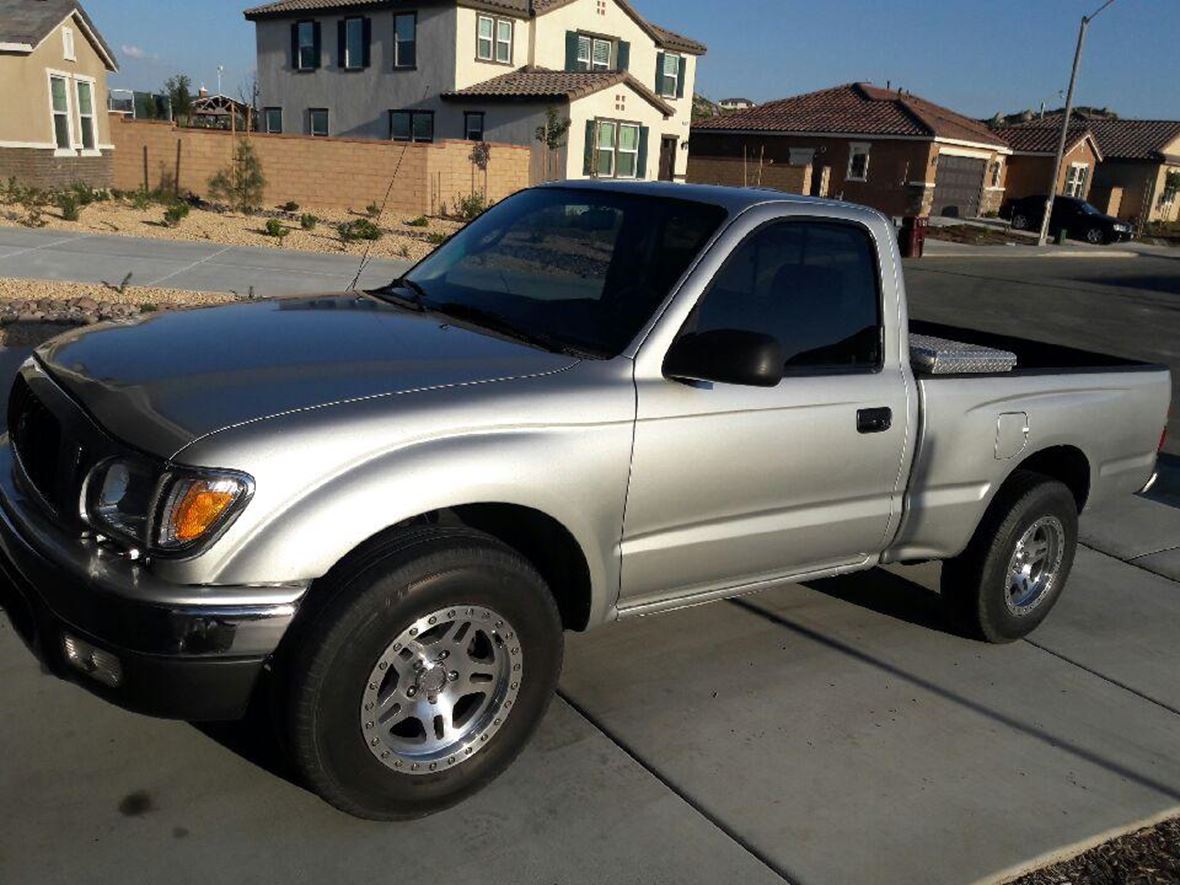
For Buyers: Potential for Better Deals: Private sellers may be more willing to negotiate than dealerships. They might also be more motivated to sell quickly, leading to price reductions.
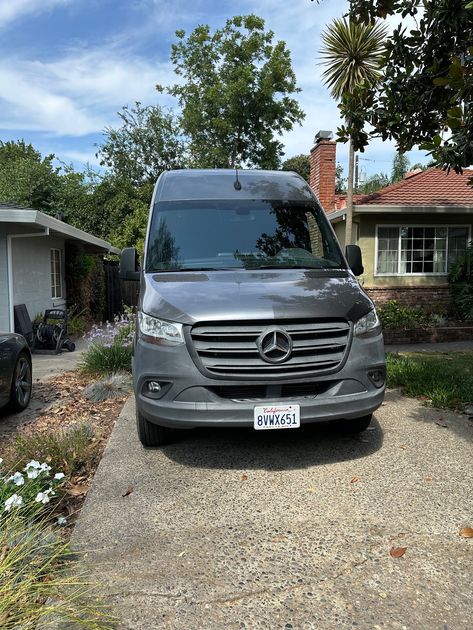
For Buyers: More Transparency (Potentially): You have the opportunity to speak directly with the person who owned and drove the vehicle. This can provide valuable insights into its history and maintenance.
However, the "by owner" route isn't without its challenges.
-
For Sellers: More Work Required: You're responsible for advertising, showing the vehicle, handling negotiations, and completing the paperwork.
-
For Sellers: Potential Safety Concerns: Meeting with strangers can be risky. Taking precautions is essential (more on that later).
-
For Buyers: No Warranty (Usually): Unless the manufacturer's warranty is still in effect, you're typically buying the vehicle "as-is."
-
For Buyers: Risk of Scams: Private sales can attract scammers. Due diligence is critical.

Preparing to Sell Your Car or Truck: Maximizing Value
If you're selling your car or truck, preparation is key to achieving the best possible price.
-
Detailed Cleaning: A clean vehicle makes a strong first impression. Wash the exterior thoroughly, wax it for extra shine, and detail the interior. Pay attention to carpets, upholstery, and dashboard.
-
Minor Repairs: Address any minor issues that could deter potential buyers. This might include replacing burned-out light bulbs, fixing small scratches, or topping off fluids.
-
Gather Maintenance Records: Having a complete record of maintenance and repairs builds trust and demonstrates that you've taken good care of the vehicle.
-
Research Market Value: Use online resources like Kelley Blue Book (KBB) and Edmunds to determine the fair market value of your vehicle based on its condition, mileage, and features. Be realistic in your pricing.
-
High-Quality Photos: Take clear, well-lit photos of your vehicle from all angles. Highlight its best features and showcase any unique options or accessories.
-
Craft a Compelling Description: Write a detailed and honest description of your vehicle. Include its year, make, model, mileage, features, condition, and any relevant history. Be transparent about any known issues.
-
Choose the Right Platform: Select online marketplaces and classified ad sites that are popular in your area. Consider platforms like Craigslist, Facebook Marketplace, and specialized car selling websites.
-
Set a Competitive Price: Based on your research, set a price that is competitive but also reflects the value of your vehicle. Be prepared to negotiate.
Pro Tip: "Based on my experience, transparency is key. Disclose any known issues upfront. This builds trust and can prevent headaches down the road."
Navigating the Buying Process: Due Diligence is Your Best Friend
Buying a car or truck from a private seller requires careful due diligence. Don't rush into a purchase without thoroughly inspecting the vehicle and verifying its history.
-
Initial Communication: When contacting a seller, ask specific questions about the vehicle's condition, history, and maintenance. Gauge their willingness to be transparent and forthcoming.
-
Schedule a Test Drive: Always insist on a test drive before making an offer. Drive the vehicle in various conditions to assess its performance, handling, and braking.
-
Thorough Inspection: Inspect the vehicle carefully, both inside and out. Check for signs of damage, wear and tear, and leaks. Pay attention to the engine, transmission, brakes, tires, and suspension.
-
Independent Inspection: Consider taking the vehicle to a trusted mechanic for a pre-purchase inspection. This can uncover hidden problems that you might miss. This usually costs around $100, but it could save you thousands in the long run.
-
Vehicle History Report: Obtain a vehicle history report from a reputable provider like Carfax or AutoCheck. This report will reveal information about accidents, title issues, odometer discrepancies, and other potential problems.
-
Title Verification: Verify that the seller has a clear title to the vehicle and that there are no liens or encumbrances. You can check this with your local Department of Motor Vehicles (DMV).
-
Negotiate the Price: Once you've completed your inspection and are satisfied with the vehicle, negotiate the price with the seller. Be prepared to walk away if you can't reach an agreement.
Common Mistakes to Avoid: "Common mistakes to avoid are skipping the independent inspection and neglecting to verify the title. These oversights can lead to costly surprises down the road."
Safety First: Protecting Yourself During the Transaction
Both buyers and sellers should prioritize safety when meeting with strangers.
-
Meet in a Public Place: Choose a well-lit, public location for the meeting, such as a shopping center, parking lot, or police station.
-
Bring a Friend or Family Member: Having someone with you can provide an extra layer of security.
-
Inform Someone of Your Plans: Let a friend or family member know where you're going and when you expect to be back.
-
Trust Your Gut: If something feels off, don't hesitate to walk away.
-
Handle Transactions Safely: Avoid carrying large amounts of cash. Consider using a cashier's check or a secure online payment method.
The Paperwork: Ensuring a Legal and Valid Sale
Completing the paperwork correctly is essential to ensure a legal and valid sale.
-
Bill of Sale: Create a bill of sale that includes the date of the sale, the names and addresses of the buyer and seller, a description of the vehicle (year, make, model, VIN), the selling price, and signatures of both parties.
-
Title Transfer: The seller must properly sign over the title to the buyer. Follow the instructions on the title carefully.
-
Odometer Disclosure: Complete the odometer disclosure section on the title or a separate form.
-
Release of Liability: The seller should file a release of liability with their local DMV to protect themselves from any future claims related to the vehicle.
-
Payment and Delivery: The buyer should provide payment to the seller as agreed upon. The seller should then deliver the vehicle and the title to the buyer.
Pro Tip: "Always keep copies of all paperwork for your records. This can be helpful in case of any disputes or issues that arise later."
Financing Options for Buyers
If you're buying a car or truck from a private seller, you'll need to arrange your own financing.
-
Personal Loan: Consider obtaining a personal loan from a bank or credit union. Compare interest rates and terms to find the best deal.
-
Secured Loan: You may be able to secure a loan using the vehicle as collateral. However, be aware that this puts your vehicle at risk if you default on the loan.
-
Online Lenders: Several online lenders specialize in auto loans for private party sales. Research your options carefully and compare rates and fees.
Negotiation Strategies for Buyers and Sellers
Negotiation is a key part of the "by owner" transaction.
-
For Sellers: Start with a realistic price but be prepared to negotiate. Highlight the vehicle's strengths and emphasize its value.
-
For Buyers: Do your research and know the market value of the vehicle. Be prepared to make a counteroffer.
-
Be Respectful: Maintain a respectful and professional attitude throughout the negotiation process.
-
Be Willing to Walk Away: Don't be afraid to walk away if you can't reach an agreement that you're comfortable with.
Addressing Potential Issues After the Sale
Even with careful preparation, issues can sometimes arise after the sale.
-
Warranty Issues: If the vehicle is still under warranty, contact the manufacturer or dealership to address any warranty claims.
-
Mechanical Problems: If you discover a mechanical problem after the sale, consult with a mechanic to determine the cause and cost of repair.
-
Legal Disputes: If you have a legal dispute with the other party, consult with an attorney.
External Resource: For more information on vehicle history reports, visit the National Motor Vehicle Title Information System (NMVTIS): https://www.vehiclehistory.gov/
The Future of Cars and Trucks For Sale By Owner
The landscape of cars and trucks for sale by owner is constantly evolving. Online marketplaces are becoming more sophisticated, and new technologies are emerging to facilitate safer and more transparent transactions. Staying informed about these trends can help you navigate the market effectively.
Conclusion: Empowering You to Buy or Sell with Confidence
Buying or selling cars and trucks for sale by owner can be a rewarding experience. By following the guidelines outlined in this comprehensive guide, you can increase your chances of a successful transaction and avoid common pitfalls. Remember to prioritize safety, due diligence, and clear communication. With the right approach, you can confidently navigate the "by owner" market and achieve your goals. This guide provides all the necessary information to confidently buy or sell a vehicle directly, maximizing your chances of a successful transaction.
0 comments