The Ultimate Guide to Renting a Box Truck: Your Comprehensive Handbook
Moving, transporting goods, or even setting up a pop-up shop often requires more space than a standard car can offer. That's where renting a box truck comes in. This guide will walk you through everything you need to know about renting a box truck, from choosing the right size to understanding insurance and saving money. Whether you're a first-timer or have rented before, this article will equip you with the knowledge to make informed decisions and ensure a smooth rental experience.
Rent Box Truck
Why Rent a Box Truck? Understanding the Benefits
Renting a box truck offers several advantages over other transportation methods. Let's dive into some of the most compelling reasons:
- Cost-Effectiveness: Compared to hiring professional movers for smaller moves or purchasing a vehicle outright, renting a box truck can be significantly cheaper. You only pay for the time you need the truck, avoiding long-term ownership costs like maintenance, insurance, and depreciation.
- Flexibility: Rental companies offer a range of truck sizes, allowing you to choose the perfect fit for your specific needs. You can rent for a few hours, a day, or even longer, providing flexibility to accommodate your schedule and project timeline.
- Convenience: Renting a box truck puts you in control. You decide when and where to move your belongings, eliminating the need to coordinate with movers' schedules. This is especially helpful for those who prefer a DIY approach or have specific time constraints.
- Accessibility: Box trucks are readily available from numerous rental companies across the country. With convenient online booking and pick-up locations, accessing a truck is easier than ever.
- Versatility: Box trucks aren't just for moving. They're useful for transporting large items, setting up temporary businesses at events, or even providing temporary storage space.
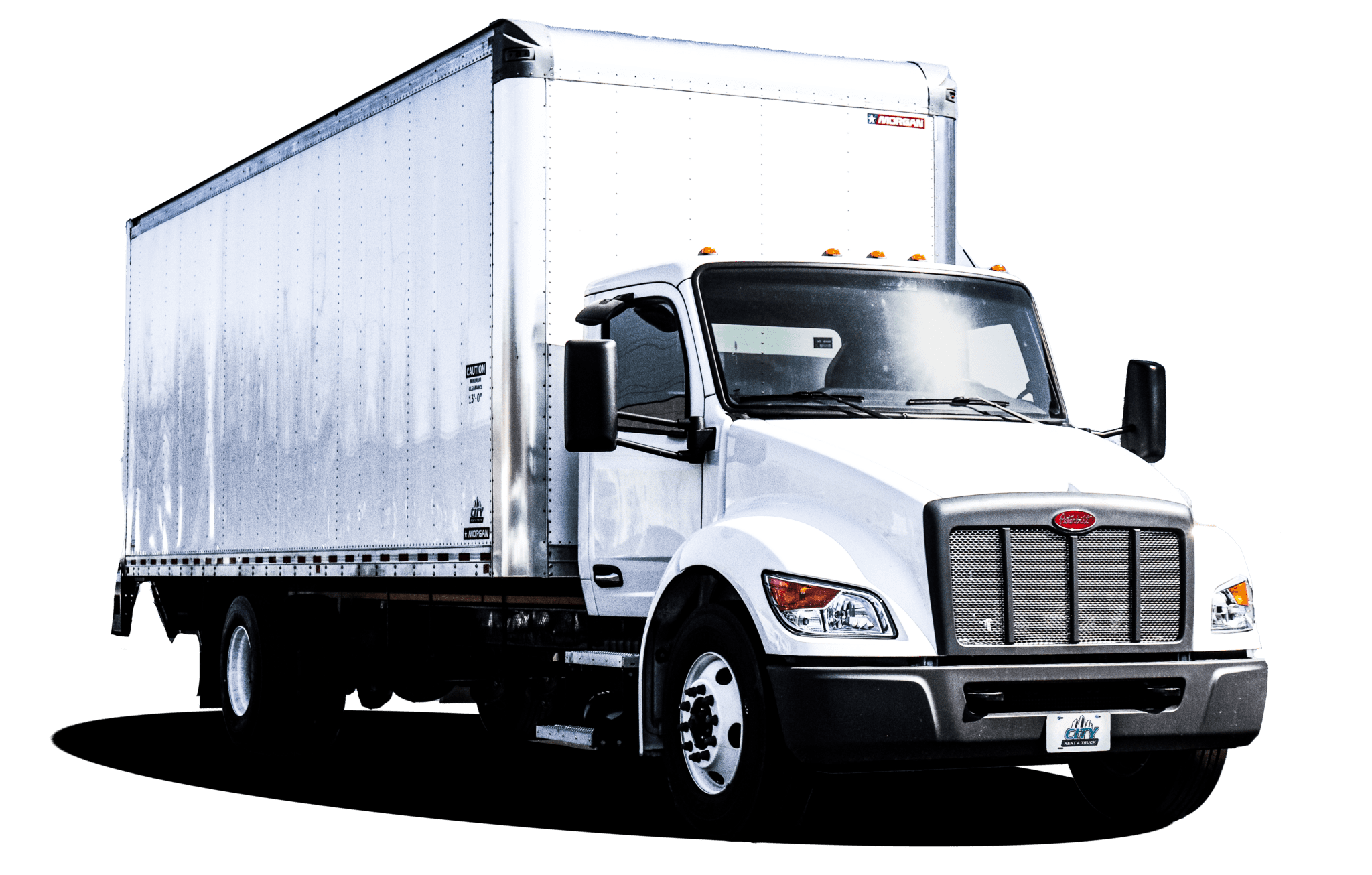
Choosing the Right Size: A Critical First Step
Selecting the appropriate size box truck is paramount to a successful rental experience. Renting too small a truck means multiple trips and wasted time. Conversely, renting too large a truck means paying for unused space and potentially struggling with maneuverability. Here's how to determine the right size:
Assess Your Load: Start by estimating the total volume of items you need to transport. Consider the number of rooms you're moving, the size of furniture, and the quantity of boxes.
-
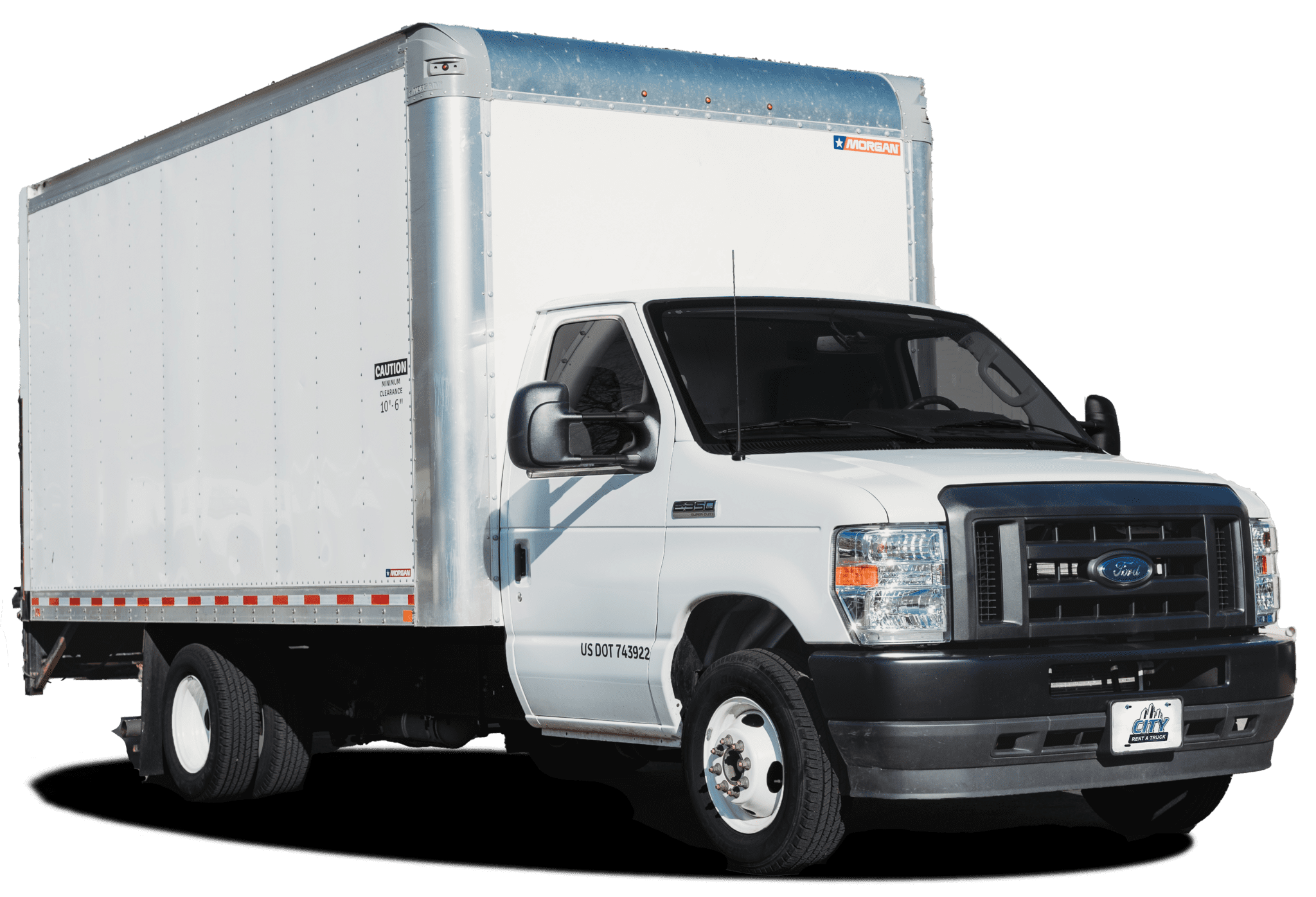
Truck Size Guide: Here's a general guideline to help you choose:
- 10-12 Foot Truck: Ideal for small apartments, dorm rooms, or studio apartments. Good for moving a few pieces of furniture and some boxes.
- 14-16 Foot Truck: Suitable for one- to two-bedroom apartments or smaller houses. Can accommodate a moderate amount of furniture and appliances.
- 20-22 Foot Truck: A good choice for two- to three-bedroom houses. Offers ample space for larger furniture, appliances, and numerous boxes.
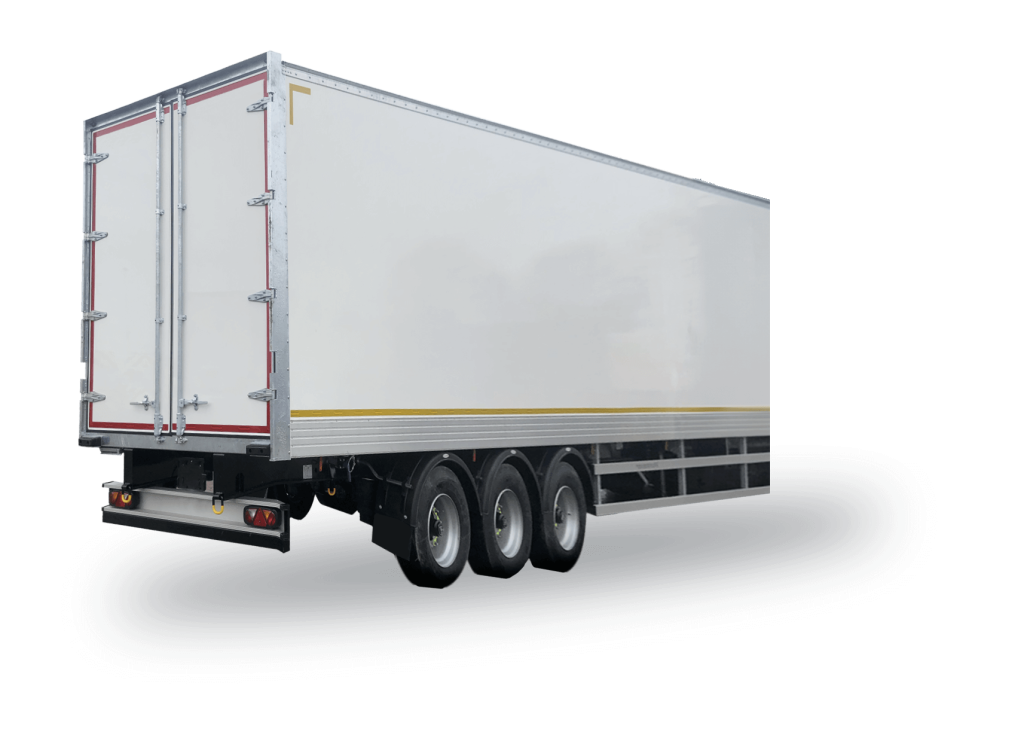
- 24-26 Foot Truck: Best for larger homes with multiple bedrooms, extensive furniture, and appliances. It can handle significant moving needs.
-
Consider the Weight: Don't just focus on volume. Be mindful of the weight capacity of the truck. Overloading can damage the vehicle and create safety hazards. Check the truck's specifications for its maximum weight limit.
-
Pro Tip: When in doubt, it's better to err on the side of a slightly larger truck. Extra space can be useful for maneuvering items and preventing damage during transport.
Where to Rent: Exploring Your Options
Numerous companies offer box truck rentals, each with its own advantages and disadvantages. Here are some of the most popular options:
- U-Haul: A well-known and widely available rental company with a vast network of locations. U-Haul offers a variety of truck sizes, trailers, and moving supplies.
- Penske: Known for its newer and well-maintained fleet of trucks. Penske is a good choice for longer moves and offers competitive pricing.
- Budget Truck Rental: Another popular option with a wide range of locations. Budget often provides discounts and promotions, making it a budget-friendly choice.
- Enterprise Truck Rental: Offers a variety of commercial vehicles, including box trucks. Enterprise is known for its customer service and flexible rental options.
- Local Rental Companies: Don't overlook smaller, local rental companies. They may offer more personalized service and competitive pricing, especially for shorter moves.
Factors to Compare:
- Pricing: Compare rental rates, mileage fees, and insurance costs across different companies.
- Availability: Check the availability of the desired truck size at your preferred location.
- Insurance Options: Understand the insurance coverage offered by each company and consider your own insurance needs.
- Customer Reviews: Read online reviews to get insights into the experiences of other customers.
- Location Convenience: Choose a rental location that is easily accessible and convenient for pick-up and drop-off.
The Rental Process: Step-by-Step Guide
Renting a box truck involves several steps, from booking to returning the vehicle. Here's a detailed breakdown of the process:
- Booking: Reserve your truck online or by phone. Provide your desired rental dates, pick-up and drop-off locations, and truck size.
- Confirmation: Receive a confirmation email or call with your rental details. Review the information carefully to ensure accuracy.
- Pick-Up: Arrive at the rental location on your scheduled pick-up date. Bring your driver's license, credit card, and any other required documentation.
- Inspection: Inspect the truck thoroughly for any existing damage before accepting it. Document any scratches, dents, or other issues on the rental agreement. This will protect you from being charged for pre-existing damage.
- Paperwork: Review and sign the rental agreement. Understand the terms and conditions, including mileage limits, late fees, and insurance coverage.
- Loading: Load your belongings carefully, distributing the weight evenly throughout the truck. Use moving blankets and tie-down straps to secure items and prevent damage.
- Driving: Drive the truck safely and responsibly. Be aware of the truck's size and weight, and adjust your driving accordingly.
- Fueling: Refuel the truck to the level specified in the rental agreement before returning it.
- Return: Return the truck to the designated drop-off location on time.
- Final Inspection: A rental company representative will inspect the truck for any new damage.
- Final Bill: Receive a final bill outlining all charges, including rental fees, mileage fees, fuel costs, and any applicable taxes or surcharges.
Insurance: Protecting Yourself and the Truck
Insurance is a critical aspect of renting a box truck. It protects you from financial liability in case of accidents, damage, or theft. Here's what you need to know:
-
Rental Company Insurance: Rental companies typically offer several insurance options, including:
- Collision Damage Waiver (CDW): Covers damage to the rental truck itself.
- Liability Insurance: Protects you from liability for damages or injuries caused to others.
- Cargo Insurance: Covers damage or loss of your belongings during transport.
- Personal Accident Insurance: Provides coverage for medical expenses and accidental death.
- Personal Insurance: Check your own auto insurance policy and homeowner's insurance policy to see if they provide any coverage for rental trucks. Some policies may offer limited coverage, but it's essential to understand the extent of your protection.
- Credit Card Insurance: Some credit cards offer rental car insurance benefits. Check with your credit card issuer to see if your card provides coverage for box truck rentals.
- Pro Tip: Carefully evaluate your insurance needs and choose the coverage that provides adequate protection for your specific situation. It's better to be over-insured than under-insured.
Saving Money: Tips and Tricks
Renting a box truck can be expensive, but there are several ways to save money:
- Rent During Off-Peak Seasons: Rental rates tend to be lower during weekdays and off-peak seasons, such as mid-month and during the fall or winter.
- Compare Prices: Shop around and compare rental rates from different companies.
- Look for Discounts: Inquire about discounts for students, military personnel, or AAA members.
- Pack Efficiently: Minimize the number of trips by packing efficiently and maximizing the use of space in the truck.
- Avoid Unnecessary Add-Ons: Only purchase the insurance coverage and moving supplies that you truly need.
- Refuel Before Returning: Refuel the truck to the required level before returning it to avoid expensive refueling charges from the rental company.
- Return on Time: Avoid late fees by returning the truck on time.
- One-Way vs. Round-Trip: If you're moving long distance, compare the cost of a one-way rental versus a round-trip rental. One-way rentals may be more convenient and cost-effective.
- Negotiate: Don't be afraid to negotiate the rental rate, especially if you're renting for an extended period.
Common Mistakes to Avoid
Based on my experience, here are some common mistakes people make when renting a box truck:
- Renting the Wrong Size Truck: Underestimating the amount of space needed can lead to multiple trips and increased costs.
- Skipping the Inspection: Failing to inspect the truck for existing damage can result in being charged for pre-existing issues.
- Ignoring the Rental Agreement: Not reading and understanding the terms and conditions of the rental agreement can lead to unexpected fees and penalties.
- Overloading the Truck: Exceeding the truck's weight capacity can damage the vehicle and create safety hazards.
- Driving Carelessly: Not adjusting driving habits to account for the truck's size and weight can increase the risk of accidents.
- Forgetting to Refuel: Returning the truck with less fuel than required can result in expensive refueling charges.
- Returning Late: Failing to return the truck on time can lead to late fees.
- Not Securing Belongings: Inadequate packing and securing of items can result in damage during transport.
Pro Tips for a Smooth Rental Experience
- Book in Advance: Especially during peak seasons, book your truck well in advance to ensure availability.
- Take Photos: Document the condition of the truck before and after your rental. This can help resolve any disputes regarding damage.
- Get a Dolly: Rent or borrow a dolly to make loading and unloading heavy items easier.
- Use Moving Blankets: Protect your furniture and belongings with moving blankets to prevent scratches and dents.
- Tie-Down Straps: Secure your items with tie-down straps to prevent them from shifting during transport.
- Plan Your Route: Plan your route in advance, considering the truck's size and weight. Avoid low bridges, narrow streets, and steep hills.
- Drive Defensively: Be aware of your surroundings and drive defensively, especially in congested areas.
Conclusion
Renting a box truck can be a cost-effective and convenient solution for moving, transporting goods, or setting up temporary businesses. By following the advice in this comprehensive guide, you can navigate the rental process with confidence and ensure a smooth and successful experience. Remember to choose the right size truck, compare prices, understand insurance options, and avoid common mistakes. With careful planning and preparation, you can save money, protect yourself from liability, and make your rental experience a positive one. Now, go forth and conquer your move!
Internal Links:
- [Insert Link to an Article about Moving Tips]
- [Insert Link to an Article about Packing Efficiently]
External Link:
- [Insert Link to a Trusted Moving Resource, such as the American Moving & Storage Association: amsa.org]
0 comments