The Jeep Wrangler. Just the name evokes images of adventure, freedom, and the open road. It's a vehicle synonymous with off-roading prowess and a unique lifestyle. But a brand-new Wrangler can put a serious dent in your wallet. That's where the used market comes in, offering a more accessible entry point to Wrangler ownership.
However, buying a used Jeep Wrangler requires careful consideration. Unlike your average sedan, Wranglers are often subjected to demanding conditions, making thorough inspection paramount. This comprehensive guide will equip you with the knowledge to navigate the used Wrangler market, ensuring you find a reliable and capable vehicle that fits your needs and budget.
The Ultimate Guide to Buying a Used Jeep Wrangler: Conquer the Road (and Your Budget)
Why Choose a Used Jeep Wrangler?
Before diving into the specifics of buying a used Wrangler, let's explore the compelling reasons why it's a worthwhile investment.
-
Affordability: This is the most obvious benefit. Used Wranglers are significantly cheaper than new ones, allowing you to own a legendary vehicle without breaking the bank. You can often find models just a few years old with relatively low mileage at a fraction of the original price.
-
Depreciation: New cars depreciate rapidly, especially in the first few years. By buying used, you avoid the steepest part of the depreciation curve. This means your Wrangler will hold its value better over time, making it a smarter financial decision.

-
Customization Potential: Wranglers are renowned for their customization options. The used market offers a vast selection of aftermarket parts and accessories at discounted prices. You can personalize your Wrangler to reflect your individual style and enhance its off-road capabilities.
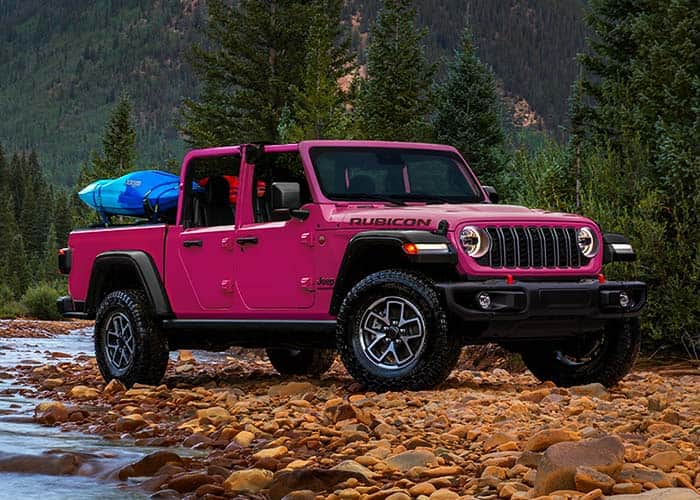
Proven Reliability: Jeep Wranglers have a long and storied history. Many older models are known for their durability and longevity, especially when properly maintained. A well-maintained used Wrangler can provide years of reliable service.
-
Unique Driving Experience: There's nothing quite like driving a Jeep Wrangler. Its open-air design, rugged suspension, and go-anywhere attitude provide an unparalleled driving experience. Owning a used Wrangler allows you to experience this unique feeling without the hefty price tag of a new model.
Understanding Jeep Wrangler Generations: Finding the Right Fit
The Jeep Wrangler has evolved significantly over the years. Understanding the different generations is crucial for making an informed buying decision. Each generation has its own strengths, weaknesses, and unique characteristics. Here's a breakdown:
-
YJ (1987-1995): The first Wrangler, the YJ, replaced the iconic CJ series. It's easily identifiable by its rectangular headlights. YJs are relatively simple and affordable, making them a good option for budget-conscious buyers. However, they are less refined than later models and may require more maintenance.
- Pros: Affordable, simple mechanics, classic Jeep styling.
- Cons: Less refined ride, less powerful engines, potential rust issues.
-
TJ (1997-2006): The TJ brought back the round headlights, a welcome change for many Jeep enthusiasts. It also introduced coil spring suspension, significantly improving ride quality and off-road performance. The TJ is widely considered one of the best Wrangler generations.
- Pros: Improved ride quality, reliable engines, classic Jeep styling.
- Cons: Potential for rust, some models have weak transmissions.
-
JK (2007-2018): The JK was a major departure from previous generations, offering more interior space, a more powerful engine, and a wider range of features. It was also the first Wrangler to offer a four-door model (the Unlimited). The JK is a popular choice for those seeking a more modern and comfortable Wrangler.
- Pros: More powerful engines, more interior space, available four-door model, more modern features.
- Cons: More complex mechanics, potential for electronic issues, can be more expensive than previous generations.
-
JL (2018-Present): The current Wrangler generation, the JL, builds upon the JK with further improvements in fuel efficiency, technology, and off-road capability. It offers a range of engine options, including a turbocharged four-cylinder and a diesel. The JL is the most refined and technologically advanced Wrangler to date.
- Pros: Most refined ride, advanced technology, improved fuel efficiency, available diesel engine.
- Cons: Most expensive Wrangler generation, potential for electronic issues.
Key Areas to Inspect When Buying a Used Jeep Wrangler
This is where the rubber meets the road. A thorough inspection is crucial to avoid costly surprises down the line. Don't rush this process. Bring a friend, a mechanic if possible, and a checklist.
-
Frame: The frame is the backbone of the Wrangler. Inspect it carefully for rust, cracks, and signs of damage. Pay particular attention to areas near the suspension mounts and body mounts. Rust is a common issue, especially in areas with harsh winters. Look for flaking, bubbling, or perforations.
-
Engine: Listen for unusual noises, such as knocking or ticking. Check for leaks around the engine block, valve covers, and oil pan. Examine the fluids (oil, coolant, power steering fluid) for proper levels and condition. A milky appearance in the oil could indicate a blown head gasket.
-
Transmission: Test the transmission in all gears, both forward and reverse. Listen for slipping, jerking, or unusual noises. Check the transmission fluid for proper level and condition. A burnt or discolored fluid could indicate a problem.
-
Transfer Case: Engage the four-wheel-drive system and test it in both high and low ranges. Listen for unusual noises or vibrations. Make sure the transfer case engages and disengages smoothly.
-
Suspension: Inspect the shocks, springs, and bushings for wear and tear. Look for leaks around the shocks. Bounce the vehicle to check for excessive swaying or bouncing. Listen for squeaking or clunking noises.
-
Brakes: Check the brake pads and rotors for wear. Inspect the brake lines for leaks or damage. Test the brakes to ensure they are responsive and effective. Listen for squealing or grinding noises.
-
Body: Inspect the body panels for dents, scratches, and rust. Pay particular attention to the rocker panels, fenders, and door sills. Check the alignment of the doors and hood. Look for signs of body work or repainting.
-
Interior: Inspect the seats, carpets, and dashboard for wear and tear. Check all the electrical components, including the lights, wipers, and radio. Make sure the air conditioning and heater are working properly.
-
Soft Top/Hard Top: Inspect the soft top for tears, rips, and leaks. Make sure the zippers and windows are in good condition. If the Wrangler has a hard top, check for cracks or damage. Ensure the top seals properly to prevent leaks.
-
Tires: Check the tires for wear and tear. Inspect the tread depth and sidewalls for damage. Make sure the tires are properly inflated.
-
Aftermarket Modifications: Many Wranglers are modified with aftermarket parts. While some modifications can enhance the vehicle's performance and appearance, others can negatively impact its reliability. Inspect any modifications carefully to ensure they are properly installed and maintained. Ask the seller for documentation of any modifications.
Common Mistakes to Avoid When Buying a Used Jeep Wrangler
Based on my experience, there are several common pitfalls buyers often fall into when purchasing a used Wrangler. Avoiding these mistakes can save you time, money, and headaches.
-
Ignoring Rust: As mentioned earlier, rust is a major concern with Wranglers, especially older models. Don't underestimate the potential damage rust can cause. A seemingly small spot of rust can indicate a much larger problem underneath.
-
Skipping the Test Drive: A test drive is essential to get a feel for the vehicle and identify any potential issues. Drive the Wrangler in a variety of conditions, including city streets, highways, and if possible, a dirt road.
-
Failing to Check the Vehicle History Report: A vehicle history report, such as Carfax or AutoCheck, can provide valuable information about the Wrangler's past, including accidents, title issues, and mileage discrepancies.
-
Overlooking Maintenance Records: Maintenance records can provide insight into how well the Wrangler has been maintained. Look for records of oil changes, tune-ups, and other routine maintenance.
-
Falling for the "Lifted and Modified" Trap: While a lifted and modified Wrangler may look impressive, it's important to understand the potential risks. Modifications can affect the vehicle's handling, reliability, and fuel efficiency. They can also void the warranty.
-
Paying Too Much: Research the market value of similar Wranglers in your area to ensure you're getting a fair price. Don't be afraid to negotiate with the seller.
-
Rushing the Decision: Don't feel pressured to buy the first Wrangler you see. Take your time, do your research, and be patient. The right Wrangler is out there waiting for you.
Pro Tips for Finding the Best Used Jeep Wrangler
Here are some pro tips from us to help you find the best used Jeep Wrangler for your needs:
-
Target Specific Years and Models: Based on your research, identify specific years and models that are known for their reliability and features. This will narrow your search and increase your chances of finding a good deal.
-
Consider the Source: Buy from a reputable source, such as a dealership or a private seller with a good reputation. Avoid buying from unknown sources or individuals who are unwilling to provide information about the vehicle.
-
Get a Pre-Purchase Inspection: Before making a final decision, have a qualified mechanic inspect the Wrangler. A pre-purchase inspection can uncover hidden problems that you might miss.
-
Be Prepared to Walk Away: If you're not comfortable with the condition of the Wrangler or the terms of the sale, be prepared to walk away. There are plenty of other Wranglers out there.
-
Factor in the Cost of Ownership: Consider the cost of ownership, including insurance, maintenance, and fuel. Wranglers can be more expensive to own than other vehicles.
Negotiating the Price: Getting the Best Deal
Negotiating the price is a crucial part of buying a used Jeep Wrangler. Here are some tips to help you get the best deal:
-
Do Your Research: Know the market value of similar Wranglers in your area. This will give you a starting point for negotiations.
-
Be Prepared to Walk Away: The seller is more likely to negotiate if they know you're willing to walk away.
-
Point Out Flaws: Don't be afraid to point out any flaws or issues you find during the inspection. This can give you leverage in negotiations.
-
Make a Reasonable Offer: Start with a reasonable offer that is below the asking price but not so low that it's insulting.
-
Be Patient: Don't rush the negotiations. Take your time and be willing to compromise.
-
Consider Financing Options: If you're financing the purchase, shop around for the best interest rate.
Enjoying Your Used Jeep Wrangler: Maintaining Your Investment
Once you've found the perfect used Jeep Wrangler, it's important to maintain it properly to ensure years of reliable service.
-
Follow the Maintenance Schedule: Adhere to the manufacturer's recommended maintenance schedule. This includes regular oil changes, tune-ups, and fluid checks.
-
Address Problems Promptly: Don't ignore small problems. Addressing them promptly can prevent them from becoming larger and more expensive issues.
-
Keep it Clean: Regularly wash and wax your Wrangler to protect the paint from rust and corrosion.
-
Store it Properly: If you're not using your Wrangler for extended periods, store it in a garage or under a cover to protect it from the elements.
-
Consider Off-Road Maintenance: If you plan to off-road your Wrangler, be sure to inspect and maintain the suspension, tires, and drivetrain more frequently.
Conclusion: Embrace the Wrangler Lifestyle
Buying a used Jeep Wrangler is a fantastic way to experience the freedom and adventure that this iconic vehicle offers. By following the advice in this guide, you can navigate the used market with confidence and find a reliable and capable Wrangler that fits your needs and budget. Remember to prioritize a thorough inspection, understand the different generations, and avoid common mistakes. With a little patience and research, you'll be ready to conquer the road (and your budget) in your own used Jeep Wrangler. Now, go explore! Consider checking out this resource on Jeep Wrangler maintenance for more tips.
0 comments