Tow Truck For Sale: Your Comprehensive Guide to Buying the Right Workhorse
Buying a tow truck is a significant investment, one that can launch or significantly expand your business. But with so many options available, navigating the market can feel overwhelming. This guide is designed to equip you with the knowledge you need to make an informed decision and find the perfect tow truck for your specific needs. We'll cover everything from different types of tow trucks to crucial factors to consider before making a purchase.
Tow Truck For Sale
Why This Matters: The Importance of Choosing Wisely
The tow truck you choose will directly impact your operational efficiency, profitability, and even your reputation. A poorly chosen truck can lead to breakdowns, increased maintenance costs, and the inability to handle certain types of jobs. A well-chosen truck, on the other hand, will be a reliable workhorse that helps you grow your business and provide excellent service to your customers.
Understanding the Tow Truck Landscape
Before diving into specific models, let's explore the different types of tow trucks available. Each type is designed for specific tasks, so understanding these differences is crucial.
Types of Tow Trucks: A Detailed Overview
-
Flatbed Tow Trucks (Rollbacks):
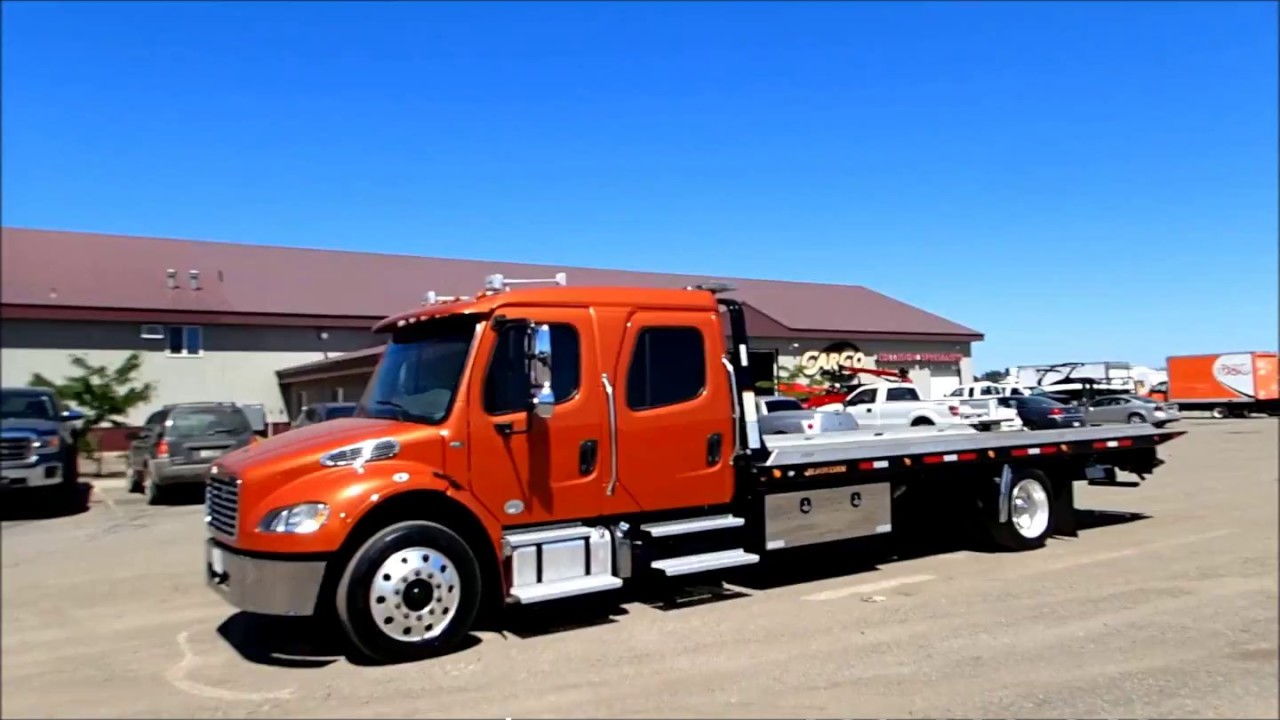
- What they are: Flatbed tow trucks, also known as rollback trucks, have a flat platform that can be hydraulically tilted and lowered to ground level. This allows vehicles to be driven or winched onto the bed without putting any wear and tear on their wheels.
- Ideal for: Transporting accident vehicles, luxury cars, motorcycles, and vehicles with damaged wheels or suspensions. They are also great for transporting equipment and machinery.
- Pros: Safe for a wide variety of vehicles, minimal risk of damage during transport, versatile for different cargo types.
- Cons: Can be more expensive than other types, may require more space to maneuver.
-
Hook and Chain Tow Trucks:
- What they are: The traditional tow truck, using chains and hooks to secure the vehicle to the tow truck. The towed vehicle is lifted by its frame or axle, with its rear wheels remaining on the ground.
- Ideal for: Towing wrecked or abandoned vehicles. Generally, they are an older technology and less used now.
- Pros: Relatively inexpensive compared to flatbeds.
- Cons: Can cause damage to the towed vehicle's frame and suspension. Not suitable for luxury vehicles or those with significant damage. Increasingly less common due to the risk of damage.

-
Wheel Lift Tow Trucks:
- What they are: Wheel lift tow trucks use a metal yoke that fits under the front or rear wheels of the towed vehicle. A hydraulic lift raises the wheels off the ground, allowing the vehicle to be towed on its remaining wheels.
- Ideal for: Repossessions, towing vehicles from tight spaces, and general towing where speed and efficiency are important.
- Pros: Faster and easier to use than hook and chain trucks. Less risk of damage compared to hook and chain.
- Cons: May not be suitable for vehicles with severely damaged wheels or suspensions.
-
Integrated Tow Trucks (Self-Loaders/Repo Trucks):
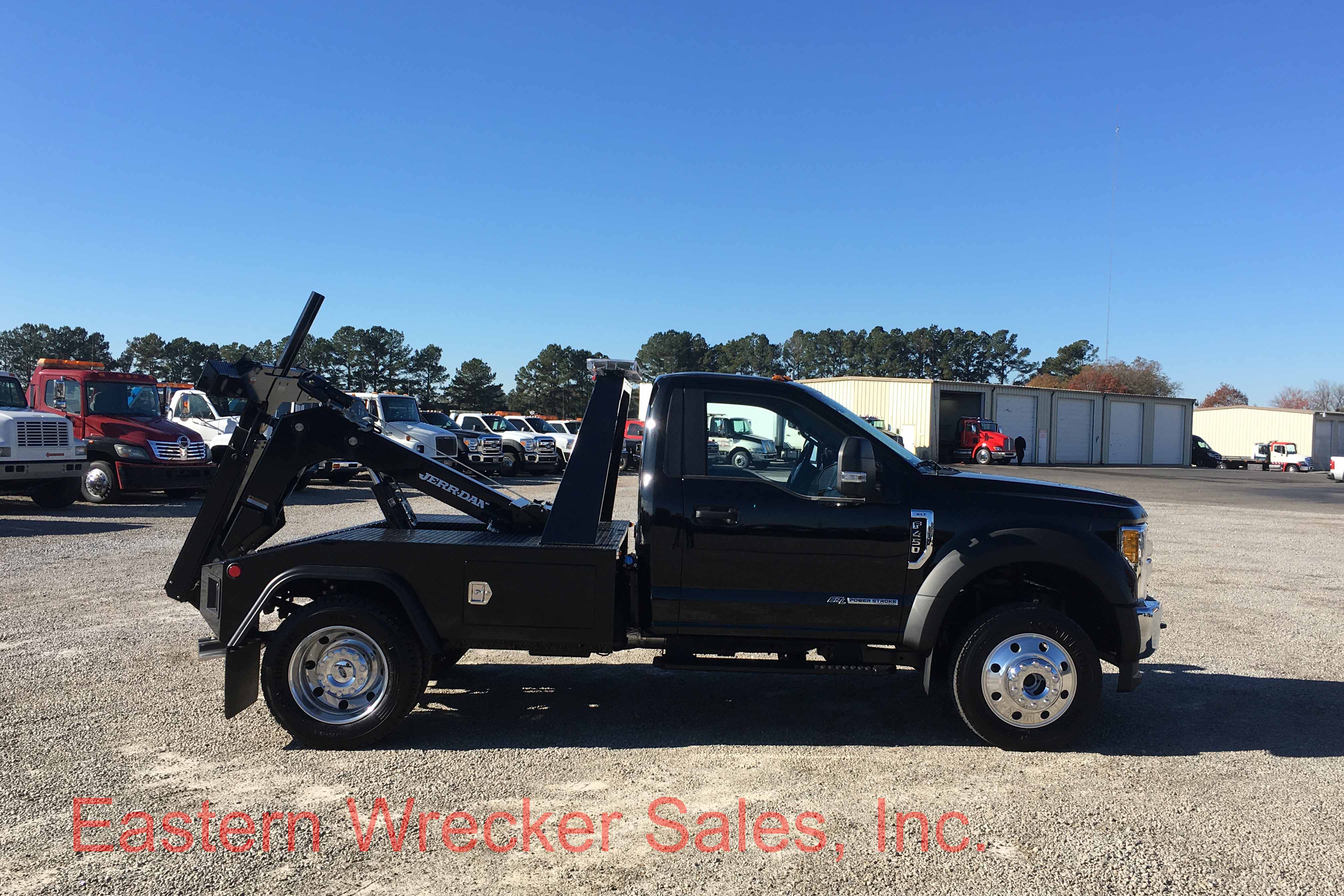
- What they are: These are heavy-duty trucks with a boom and winch system integrated directly into the chassis. They are often used for repossessions, as they can quickly and easily lift and tow vehicles.
- Ideal for: Repossessions, quick vehicle recovery in urban environments, and situations where speed and efficiency are critical.
- Pros: Very fast and efficient, minimal setup time, maneuverable in tight spaces.
- Cons: Can be expensive, may not be suitable for all types of vehicles.
-
Heavy-Duty Tow Trucks:
- What they are: Large, powerful tow trucks designed for towing buses, semi-trucks, construction equipment, and other heavy vehicles. They typically have powerful winches, booms, and under-reach capabilities.
- Ideal for: Towing large commercial vehicles, recovering heavy equipment, and handling complex recovery situations.
- Pros: Capable of handling extremely heavy loads.
- Cons: Very expensive, require specialized training to operate.
-
Medium-Duty Tow Trucks:
- What they are: These trucks fall between light-duty and heavy-duty, offering a balance of power and maneuverability. They can handle a wide range of vehicles, including vans, small trucks, and SUVs.
- Ideal for: General towing, roadside assistance, and transporting vehicles that are too large for light-duty trucks but not heavy enough for heavy-duty trucks.
- Pros: Versatile, good balance of power and fuel efficiency.
- Cons: May not be suitable for extremely heavy loads or complex recovery situations.
Key Factors to Consider Before Buying a Tow Truck
Choosing the right tow truck involves more than just picking a type. Here are crucial factors to consider:
-
Your Target Market and Services Offered:
- What types of vehicles will you be towing? Will you focus on cars, trucks, motorcycles, or heavy equipment? Your target market will dictate the type of tow truck you need.
- What services will you offer? Accident recovery, roadside assistance, repossessions, or long-distance transport? Each service requires different capabilities.
- Pro Tip: Analyze your local market and identify unmet needs. This can help you specialize and differentiate your business.
-
New vs. Used Tow Trucks:
- New Tow Trucks: Offer the latest technology, warranty coverage, and the peace of mind of knowing the vehicle's history. However, they come with a higher price tag.
- Used Tow Trucks: Can be a more affordable option, especially for startups. However, it's crucial to thoroughly inspect the truck and obtain a vehicle history report. Be prepared for potential maintenance costs.
- Based on my experience: A used tow truck can be a great starting point, but always prioritize a thorough inspection by a qualified mechanic. Factor in potential repair costs when evaluating the price.
-
Budget and Financing Options:
- Determine your budget: Be realistic about how much you can afford, including the initial purchase price, insurance, maintenance, and operating costs.
- Explore financing options: Consider loans, leases, and other financing options to make the purchase more manageable.
- Common mistakes to avoid are: Overextending yourself financially. Don't buy a truck that stretches your budget to the limit. Leave room for unexpected expenses.
-
Truck Condition and Inspection:
- Thorough inspection is essential: Whether you're buying new or used, a thorough inspection is critical. Check the engine, transmission, brakes, hydraulics, and all other components.
- Hire a qualified mechanic: Consider hiring a mechanic specializing in tow trucks to perform a pre-purchase inspection. This can help you identify potential problems before you buy.
- Request maintenance records: If buying used, ask for maintenance records to get an idea of the truck's history.
-
Towing Capacity and Power:
- Match the towing capacity to your needs: Ensure the tow truck has sufficient towing capacity for the types of vehicles you plan to tow.
- Consider engine power: A more powerful engine will be necessary for towing heavy loads or operating in hilly terrain.
- Pro Tips from us: Always err on the side of caution when it comes to towing capacity. It's better to have more power than you need than to be underpowered.
-
Features and Equipment:
- Winch: A powerful winch is essential for recovering vehicles from ditches or other difficult situations.
- Lighting: Adequate lighting is crucial for safe operation at night.
- Toolboxes and Storage: Sufficient storage space is needed for tools, chains, straps, and other equipment.
- Air Conditioning and Comfort: Comfortable cab is important, especially for long hours on the road.
-
Legal and Regulatory Compliance:
- DOT Compliance: Ensure the tow truck meets all Department of Transportation (DOT) requirements.
- Licensing and Permits: Obtain all necessary licenses and permits to operate a tow truck in your area.
- Insurance: Secure adequate insurance coverage to protect your business from liability.
Where to Find Tow Trucks For Sale
- Online Marketplaces: Websites like Commercial Truck Trader, TruckPaper, and eBay Motors offer a wide selection of new and used tow trucks.
- Dealerships: Commercial truck dealerships often sell new and used tow trucks.
- Auctions: Government auctions and private auctions can be a good source of used tow trucks.
- Private Sellers: Individuals or companies selling their tow trucks.
Negotiating the Price
- Research the market value: Before making an offer, research the market value of similar tow trucks.
- Be prepared to walk away: Don't be afraid to walk away from a deal if the price isn't right.
- Highlight any flaws: Point out any flaws or issues with the truck to justify a lower price.
- Offer a fair price: Be reasonable in your offer, but don't be afraid to negotiate.
Maintaining Your Tow Truck
- Regular maintenance is crucial: Follow the manufacturer's recommended maintenance schedule to keep your tow truck in good condition.
- Keep it clean: A clean tow truck projects a professional image.
- Address repairs promptly: Don't delay repairs, as small problems can quickly turn into big ones.
- Keep detailed records: Maintain detailed records of all maintenance and repairs.
Pro Tip: Develop a relationship with a reliable mechanic who specializes in tow trucks.
The Future of Towing
The towing industry is evolving, with new technologies and trends emerging. Electric tow trucks are becoming increasingly popular, and advanced safety features are becoming more common. Staying up-to-date on these trends can help you stay ahead of the competition. For example, consider the rise of electric vehicles and the need for specialized towing procedures for them.
Conclusion: Investing in Your Success
Buying a tow truck is a significant investment, but with careful planning and research, you can find the perfect workhorse to help you build a successful business. By understanding the different types of tow trucks, considering the key factors outlined in this guide, and performing thorough inspections, you can make an informed decision and avoid costly mistakes. Remember to prioritize maintenance and stay up-to-date on industry trends to ensure your tow truck continues to serve you well for years to come.
External Link: National Towing and Recovery Association of America (TRAA)
Internal Links: [Starting a Towing Business: A Step-by-Step Guide](Insert link to article about starting a towing business here, if you have one), [Tow Truck Insurance: What You Need to Know](Insert link to article about tow truck insurance, if you have one)
0 comments