Used Trucks In My Area: A Complete Guide to Finding Your Perfect Ride
Buying a truck, whether it's brand new or used, is a big decision. A truck is more than just a vehicle; it's a workhorse, a family hauler, and an investment. If you're in the market for a used truck, you're likely looking for value and reliability. This guide will provide you with everything you need to navigate the used truck market in your area, ensuring you find the perfect truck that meets your needs and budget.
Used Trucks In My Area
Let's dive in!
Why Choose a Used Truck?
There are several compelling reasons to consider buying a used truck instead of a new one. The most obvious is the price. New vehicles depreciate rapidly in the first few years, meaning you can save a significant amount of money by purchasing a truck that's a few years old.
-
Lower Price: This is the most significant advantage. You can often find a used truck with similar features and capabilities as a new model for thousands of dollars less.
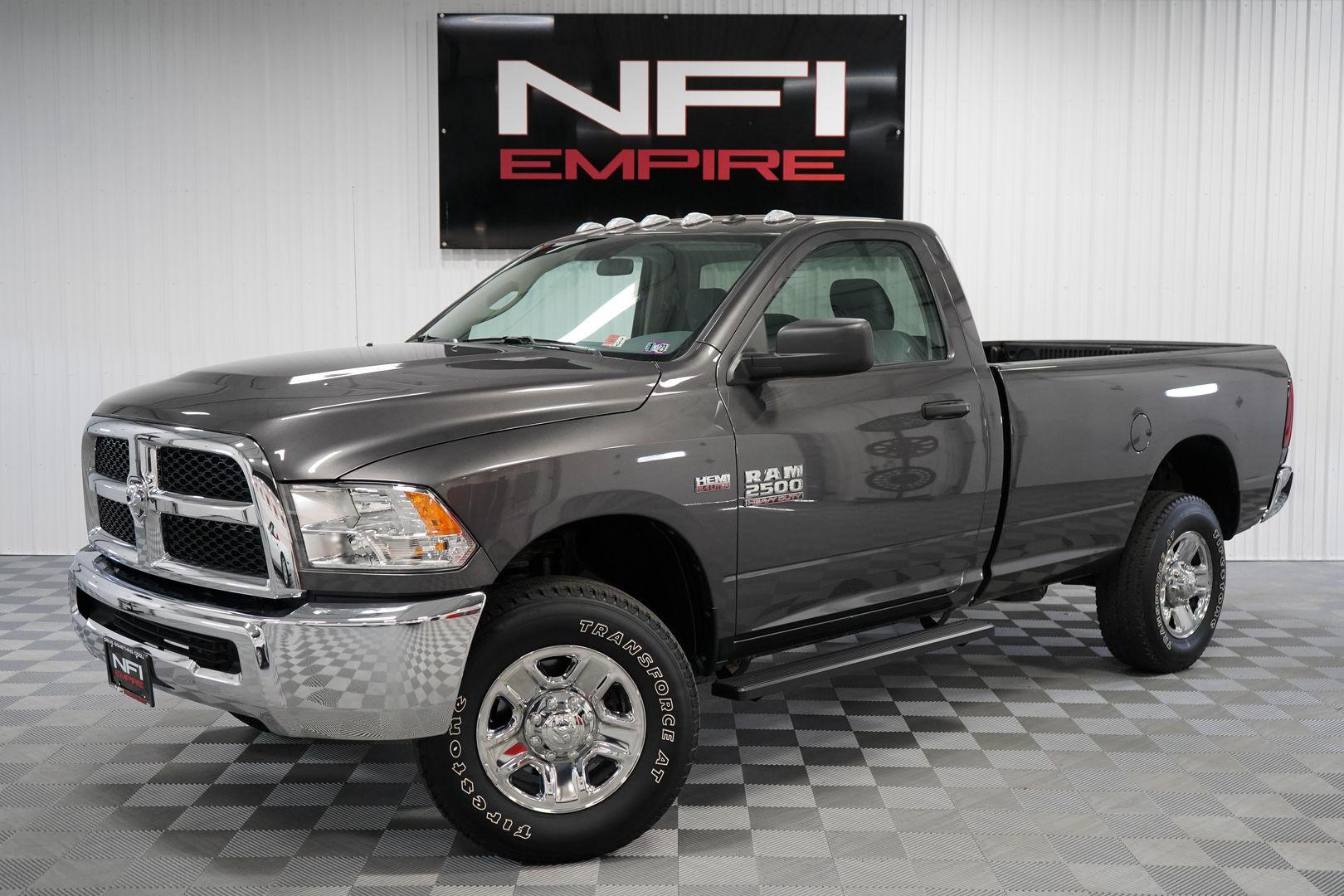
Slower Depreciation: As mentioned, new vehicles depreciate quickly. A used truck has already gone through the steepest part of its depreciation curve, meaning it will hold its value better over time.
-
More Options: The used truck market is vast, offering a wide range of makes, models, and configurations. You're more likely to find a truck with the specific features and capabilities you need.
-
Lower Insurance Costs: Insurance rates are typically lower for used vehicles compared to new ones.
-
Established Reliability: Many used trucks have a proven track record of reliability. You can research common issues and maintenance needs before you buy.


Finding Used Trucks In Your Area: Where to Look
Finding the right used truck starts with knowing where to look. Here are some of the most common and effective places to find used trucks in your area:
-
Online Marketplaces: Websites like Craigslist, Facebook Marketplace, and OfferUp can be good sources for finding used trucks. However, it's essential to exercise caution when buying from private sellers.
-
Dealerships: Both franchised dealerships (those that sell new vehicles of a specific brand) and independent used car dealerships are great options. Dealerships often offer warranties and financing options.
-
Online Car Retailers: Companies like Carvana and Vroom offer a convenient way to buy used trucks online. They typically provide detailed vehicle information, photos, and videos, as well as delivery options.
-
Auction Sites: Sites like eBay Motors can be a good source for finding used trucks, but it's essential to do your research and understand the auction process before you bid.
-
Local Classifieds: Don't overlook traditional sources like local newspapers and classified ads.
Pro tips from us: Always inspect the truck in person before making a purchase, regardless of where you find it.
What to Look for When Inspecting a Used Truck
A thorough inspection is crucial when buying a used truck. Here are some key areas to focus on:
-
Exterior: Look for signs of damage, such as dents, scratches, rust, and mismatched paint. Check the body panels for signs of repair.
-
Interior: Inspect the seats, carpets, dashboard, and other interior components for wear and tear. Make sure all the features and accessories are working properly.
-
Engine: Check for leaks, unusual noises, and excessive smoke. Inspect the belts, hoses, and fluids.
-
Transmission: Test the transmission by shifting through all the gears. Look for smooth, seamless transitions.
-
Brakes: Test the brakes by applying them firmly at different speeds. Look for signs of wear and tear on the brake pads and rotors.
-
Tires: Inspect the tires for wear and tear. Check the tread depth and look for signs of damage.
-
Frame: The frame is the backbone of the truck. Inspect it carefully for rust, damage, and signs of repair.
-
Under the Hood: Check fluid levels (oil, coolant, brake fluid, power steering fluid). Look for any signs of leaks or corrosion.
-
Test Drive: Take the truck for a test drive to assess its performance and handling. Pay attention to any unusual noises or vibrations.
Common mistakes to avoid are: Rushing the inspection process, not checking the vehicle history report, and neglecting to have a mechanic inspect the truck.
The Importance of a Vehicle History Report
A vehicle history report, such as Carfax or AutoCheck, provides valuable information about a used truck's past. The report can reveal:
-
Accident History: Whether the truck has been involved in any accidents.
-
Title Issues: Whether the truck has a salvage title, a flood title, or any other title issues.
-
Odometer Readings: To verify that the odometer reading is accurate.
-
Service Records: To see the truck's maintenance history.
-
Number of Previous Owners: To get an idea of how well the truck has been cared for.
-
Recall Information: To see if there are any outstanding recalls on the truck.
Based on my experience, a vehicle history report is an essential tool for avoiding potential problems and making an informed decision.
Negotiating the Price of a Used Truck
Negotiating the price of a used truck can be a daunting task, but it's an important part of the buying process. Here are some tips for negotiating effectively:
-
Do Your Research: Research the market value of the truck you're interested in. Use online resources like Kelley Blue Book (KBB) and Edmunds to get an idea of what similar trucks are selling for in your area.
-
Know Your Budget: Determine how much you can afford to spend before you start negotiating.
-
Be Prepared to Walk Away: Don't be afraid to walk away from a deal if you're not comfortable with the price.
-
Point Out Flaws: If you find any flaws during your inspection, use them as leverage to negotiate a lower price.
-
Be Respectful: Maintain a respectful and professional attitude throughout the negotiation process.
Financing Your Used Truck Purchase
If you need to finance your used truck purchase, there are several options available:
-
Dealership Financing: Many dealerships offer financing options to their customers.
-
Banks and Credit Unions: Banks and credit unions offer auto loans with competitive interest rates.
-
Online Lenders: Several online lenders specialize in auto loans.
Before applying for a loan, it's essential to shop around and compare interest rates and terms.
Essential Questions to Ask the Seller
Asking the right questions can provide valuable insights into the truck's condition and history. Here are some essential questions to ask the seller:
- Why are you selling the truck?
- How long have you owned the truck?
- Has the truck been involved in any accidents?
- Has the truck been regularly maintained?
- Are there any known issues with the truck?
- Can I see the truck's service records?
- Can I have the truck inspected by a mechanic?
Understanding Truck Trim Levels and Configurations
Trucks come in a variety of trim levels and configurations, each offering different features and capabilities. It's important to understand the differences between them to find the right truck for your needs.
-
Trim Levels: Trim levels typically range from basic work trucks to luxurious, feature-rich models. Common trim levels include base, XL, XLT, Lariat, Limited, and Platinum (depending on the manufacturer).
-
Cab Styles: Trucks are available in several cab styles, including regular cab, extended cab (also known as super cab or double cab), and crew cab.
-
Bed Lengths: Trucks are also available with different bed lengths, typically ranging from short bed to long bed.
-
Drivetrain: Trucks can be either two-wheel drive (2WD) or four-wheel drive (4WD).
Legal Considerations When Buying a Used Truck
Before finalizing the purchase of a used truck, it's important to be aware of the legal considerations involved.
-
Title Transfer: Make sure the seller has a clear title to the truck and that the title is properly transferred to you.
-
Sales Tax: You'll typically need to pay sales tax on the purchase price of the truck.
-
Registration: You'll need to register the truck with your state's Department of Motor Vehicles (DMV).
-
Insurance: You'll need to obtain insurance coverage for the truck before you can drive it legally.
Maintaining Your Used Truck
Once you've purchased your used truck, it's important to maintain it properly to ensure its longevity and reliability.
-
Regular Maintenance: Follow the manufacturer's recommended maintenance schedule.
-
Fluid Changes: Change the oil, coolant, and other fluids regularly.
-
Tire Maintenance: Check the tire pressure regularly and rotate the tires as needed.
-
Brake Maintenance: Inspect the brakes regularly and replace the brake pads and rotors when necessary.
-
Address Issues Promptly: Don't ignore any warning signs or symptoms of problems. Address them promptly to prevent further damage.
Conclusion: Finding the Perfect Used Truck
Buying a used truck can be a smart and cost-effective way to get the vehicle you need. By following the tips and guidelines in this guide, you can navigate the used truck market with confidence and find the perfect truck for your needs and budget. Remember to do your research, inspect the truck thoroughly, negotiate the price effectively, and maintain it properly. Happy truck hunting!
External Link to Kelley Blue Book
Internal Linking:
Link to a related blog post on our site - "Top 5 Things To Check Before Buying a Used Car"
I hope this comprehensive guide is helpful and meets your requirements. Good luck with your blog!

0 comments