The flatbed truck. A workhorse. A versatile machine. A cornerstone of countless industries. Whether you're hauling lumber, construction materials, or heavy machinery, finding the right flatbed truck is crucial for your business's success. But navigating the flatbed truck for sale marketplace can feel overwhelming.
This comprehensive guide aims to equip you with the knowledge and insights needed to make an informed decision, ensuring you invest in a truck that meets your specific needs and budget. We'll delve into the different types of flatbed trucks, key considerations during your search, and pro tips for securing the best possible deal.
Navigating the Flatbed Truck For Sale Marketplace: A Comprehensive Guide for Buyers
Understanding the Landscape: Why Flatbed Trucks are Essential
Flatbed trucks are characterized by their open, flat cargo beds without sides or a roof. This design allows for easy loading and unloading of oversized or irregularly shaped items. Their adaptability makes them indispensable across various sectors, including:
- Construction: Transporting building materials like lumber, steel beams, and concrete blocks.
- Manufacturing: Moving raw materials, finished goods, and heavy equipment.
- Agriculture: Hauling hay bales, farm equipment, and livestock.
- Transportation & Logistics: Delivering goods to distribution centers and construction sites.
- Automotive: Transporting vehicles and auto parts.
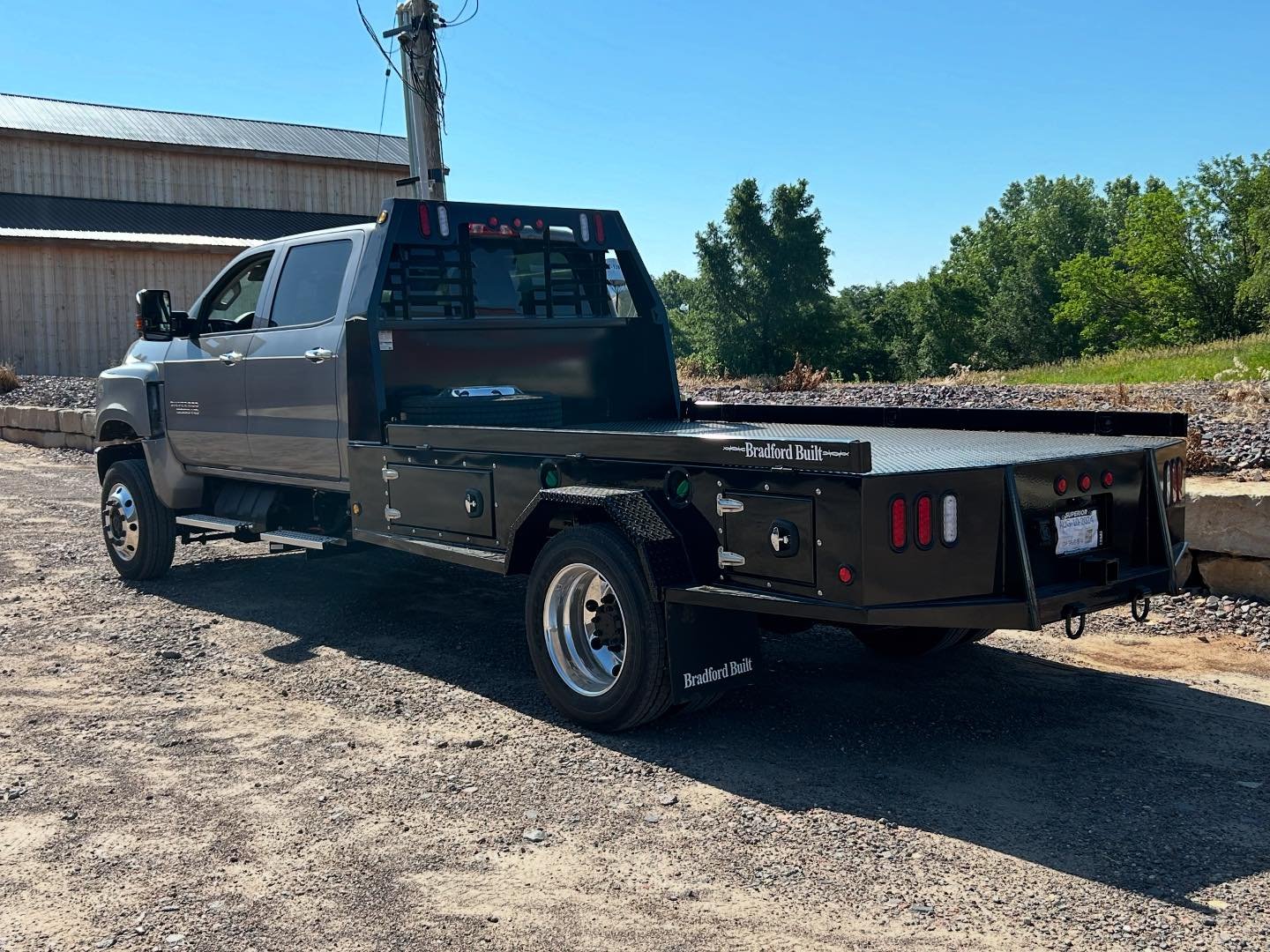
Their inherent flexibility makes them a popular choice for businesses seeking a reliable and adaptable transportation solution.
Decoding the Different Types of Flatbed Trucks
The flatbed truck market isn't a one-size-fits-all scenario. Various types cater to specific needs and load requirements. Understanding these distinctions is paramount to narrowing your search.
-
Standard Flatbed Trucks: These are the most common type, featuring a basic flat platform and often equipped with stake pockets for securing cargo. They are suitable for a wide range of general hauling tasks.
-
Drop-Deck Flatbed Trucks (Step Decks): These trucks have a lower deck height than standard flatbeds, allowing for the transport of taller loads without exceeding height restrictions. They are ideal for hauling machinery or equipment that would otherwise be too tall for a standard flatbed.
-
Extendable Flatbed Trucks: These trucks feature a telescoping frame that can be extended to accommodate longer loads. They are particularly useful for hauling items like pipes, poles, and oversized machinery.
-
Side-Kit Flatbed Trucks: These trucks have removable side panels that can be added to create a partially enclosed cargo area. They offer added security and protection for loose or sensitive cargo.
-
Lowboy Flatbed Trucks: Designed for extremely heavy and oversized loads, lowboy trailers sit very low to the ground, providing maximum clearance for tall equipment. They are commonly used for transporting construction equipment, industrial machinery, and prefabricated structures.
-
Conestoga Flatbeds: These flatbeds utilize a retractable tarp system to cover the cargo, offering protection from the elements. They are ideal for hauling weather-sensitive goods such as electronics or furniture.
Key Considerations When Buying a Flatbed Truck
Before diving into the marketplace, take a step back and carefully assess your specific needs. This will help you narrow your search and avoid costly mistakes.
-
Payload Capacity: Determine the maximum weight you'll be hauling. Exceeding the truck's payload capacity can lead to serious safety hazards and mechanical damage. Always err on the side of caution and choose a truck with a higher payload capacity than you think you'll need.
-
Truck Class: Flatbed trucks are categorized by class based on their Gross Vehicle Weight Rating (GVWR). GVWR is the maximum allowable weight of the truck, including its own weight, the weight of the cargo, and the weight of passengers.
- Class 3-6: Medium-duty trucks, suitable for lighter loads and local deliveries.
- Class 7-8: Heavy-duty trucks, designed for heavier loads and long-haul transportation.
Choosing the right truck class ensures you have the power and durability needed for your specific hauling requirements.
-
Deck Length and Width: Measure the dimensions of the typical loads you'll be carrying. Ensure the flatbed deck is long and wide enough to accommodate these loads safely and securely. Consider whether you'll need an extendable flatbed for occasional oversized loads.
-
Material: Flatbeds are typically constructed from steel or aluminum. Steel is more durable and cost-effective, while aluminum is lighter and more corrosion-resistant. Choose the material that best suits your budget and operating environment.
-
New vs. Used: Weigh the pros and cons of buying a new versus a used flatbed truck. New trucks offer the latest technology and a full warranty, but they come with a higher price tag. Used trucks are more affordable, but they may require more maintenance and have a shorter lifespan.
-
Mileage: For used trucks, mileage is a crucial factor. Higher mileage generally indicates more wear and tear. However, a well-maintained truck with higher mileage can still be a good investment, especially if it has a documented service history.
-
Engine Type and Horsepower: Consider the type of engine (diesel or gasoline) and the horsepower required for your hauling needs. Diesel engines are generally more fuel-efficient and durable, while gasoline engines are less expensive to maintain. Ensure the engine has sufficient horsepower to handle the weight of your loads and the terrain you'll be driving on.
-
Transmission Type: Choose between manual and automatic transmissions. Manual transmissions offer more control and fuel efficiency, while automatic transmissions are easier to operate, especially in stop-and-go traffic.
-
Axle Configuration: The number of axles on a flatbed truck affects its load-carrying capacity and maneuverability. Common configurations include single-axle, tandem-axle, and tri-axle. Choose the axle configuration that best suits your load requirements and operating conditions.
-
Braking System: Ensure the truck has a reliable and well-maintained braking system. Inspect the brakes thoroughly and consider upgrading to air brakes for heavier loads.
-
Tires: Check the condition of the tires and ensure they are properly inflated. Consider the type of tires required for your operating conditions (e.g., highway, off-road).
-
Stake Pockets and Tie-Down Points: Ensure the flatbed has sufficient stake pockets and tie-down points for securing cargo. The number and placement of these features will affect the versatility and safety of the truck.
Pro Tips for Finding the Best Deals on Flatbed Trucks
The flatbed truck marketplace can be competitive, but with the right approach, you can secure a great deal.
-
Research Thoroughly: Don't settle for the first truck you find. Compare prices, features, and conditions across multiple dealerships and online marketplaces.
-
Inspect Carefully: Before making an offer, thoroughly inspect the truck for any signs of damage or wear and tear. If possible, have a mechanic inspect the truck as well.
-
Negotiate Aggressively: Don't be afraid to negotiate the price. Start by making a lower offer than you're willing to pay and be prepared to walk away if the seller isn't willing to budge.
-
Consider Financing Options: Explore different financing options to find the best interest rate and repayment terms.
-
Check the Truck's History: Obtain a vehicle history report to check for accidents, damage, and title issues.
-
Factor in Additional Costs: Don't forget to factor in additional costs such as sales tax, registration fees, and insurance.
-
Be Patient: Finding the right flatbed truck takes time. Don't rush the process and be prepared to wait for the perfect truck to come along.
Navigating Online Flatbed Truck Marketplaces
The internet has revolutionized the way we buy and sell goods, and flatbed trucks are no exception. Online marketplaces offer a convenient way to browse a wide selection of trucks from the comfort of your home or office. However, it's essential to exercise caution when buying a truck online.
-
Use Reputable Marketplaces: Stick to well-known and reputable online marketplaces that offer buyer protection and secure payment options.
-
Read Reviews: Read reviews from other buyers to get an idea of the seller's reputation and the quality of their trucks.
-
Ask Questions: Don't hesitate to ask the seller questions about the truck's condition, history, and features.
-
Request Photos and Videos: Request detailed photos and videos of the truck, including close-ups of any potential problem areas.
-
Arrange an Inspection: If possible, arrange to inspect the truck in person before making a purchase.
Common Mistakes to Avoid
Based on my experience, several common mistakes can derail your flatbed truck buying journey. Avoiding these pitfalls can save you time, money, and frustration.
-
Failing to Assess Your Needs: Buying a truck without a clear understanding of your requirements is a recipe for disaster. Take the time to carefully evaluate your payload capacity, deck length, and other essential factors.
-
Ignoring the Truck's History: Neglecting to check the truck's history can lead to unpleasant surprises, such as hidden damage or title issues. Always obtain a vehicle history report before making an offer.
-
Skipping the Inspection: Skipping the inspection is a risky move. A thorough inspection can reveal potential problems that you might otherwise miss.
-
Overpaying: Paying too much for a truck is a common mistake. Research the market value of similar trucks and negotiate aggressively to get the best possible deal.
-
Ignoring Maintenance Records: Maintenance records provide valuable insights into the truck's condition and reliability. Always ask to see the truck's maintenance records before making a purchase.
-
Neglecting to Test Drive: A test drive is essential for evaluating the truck's performance and handling. Always take the truck for a test drive before making a purchase.
Staying Compliant: Regulations and Safety
Owning and operating a flatbed truck comes with responsibilities. Staying compliant with regulations and prioritizing safety are paramount.
- Federal Motor Carrier Safety Administration (FMCSA): The FMCSA sets regulations for commercial vehicles, including flatbed trucks. Familiarize yourself with these regulations to ensure compliance.
- Department of Transportation (DOT) Regulations: The DOT sets regulations for the transportation of hazardous materials. If you plan to haul hazardous materials, you must comply with DOT regulations.
- Load Securement: Properly securing your load is crucial for preventing accidents and damage. Use appropriate tie-down straps, chains, and tarps to secure your load. [Link to external resource on load securement best practices].
- Regular Maintenance: Regular maintenance is essential for keeping your flatbed truck in good working condition and preventing breakdowns. Follow the manufacturer's recommended maintenance schedule.
- Driver Training: Ensure your drivers are properly trained and licensed to operate flatbed trucks. Provide ongoing training on safety procedures and regulations.
The Future of the Flatbed Truck Marketplace
The flatbed truck marketplace is constantly evolving. Technological advancements and changing industry trends are shaping the future of this vital sector.
- Electric Flatbed Trucks: Electric trucks are becoming increasingly popular as businesses seek to reduce their carbon footprint and operating costs. While still relatively new, electric flatbed trucks offer the potential for significant fuel savings and reduced emissions.
- Autonomous Driving Technology: Autonomous driving technology is also making its way into the trucking industry. While fully autonomous flatbed trucks are still a few years away, semi-autonomous features such as lane departure warning and adaptive cruise control are becoming more common.
- Telematics: Telematics systems provide valuable data on truck performance, driver behavior, and location. This data can be used to improve efficiency, reduce costs, and enhance safety.
- Online Marketplaces: Online marketplaces are becoming increasingly popular for buying and selling flatbed trucks. These marketplaces offer a convenient way to browse a wide selection of trucks and compare prices.
Conclusion: Making the Right Choice
Finding the perfect flatbed truck for sale requires careful planning, thorough research, and a keen eye for detail. By understanding the different types of trucks, considering your specific needs, and following the pro tips outlined in this guide, you can confidently navigate the marketplace and secure a truck that will serve your business for years to come. Remember to prioritize safety, compliance, and regular maintenance to ensure the longevity and reliability of your investment. This comprehensive approach will lead you to a flatbed truck that's not just a vehicle, but a valuable asset.
0 comments