The tow truck industry is a vital part of our economy, providing essential services to stranded motorists and businesses alike. Investing in tow trucks for sale can be a lucrative venture, whether you're starting a new business or expanding an existing fleet. However, navigating the market requires careful consideration and a thorough understanding of the different types of trucks, their features, and the associated costs. This comprehensive guide will equip you with the knowledge you need to make informed decisions and secure the right tow truck for your specific needs and budget.
Why Invest in Tow Trucks? Understanding the Market Potential
The Ultimate Guide to Buying Tow Trucks for Sale: A Comprehensive Guide for Smart Investors
The demand for towing services is consistently high. Accidents, breakdowns, and illegal parking are just a few reasons why people require tow trucks. This constant need translates into a stable and potentially profitable market for tow truck operators.
-
Recession-Resistant Industry: Towing services are often considered recession-resistant. Even during economic downturns, vehicles break down, and accidents happen, ensuring a steady stream of business.
-
Diverse Revenue Streams: Tow truck businesses can generate revenue from various sources, including accident towing, roadside assistance, impound services, and vehicle recovery.
-
Scalability: You can start with a single tow truck and gradually expand your fleet as your business grows.
-
Essential Service: Towing is an essential service, making it a reliable and respected profession.

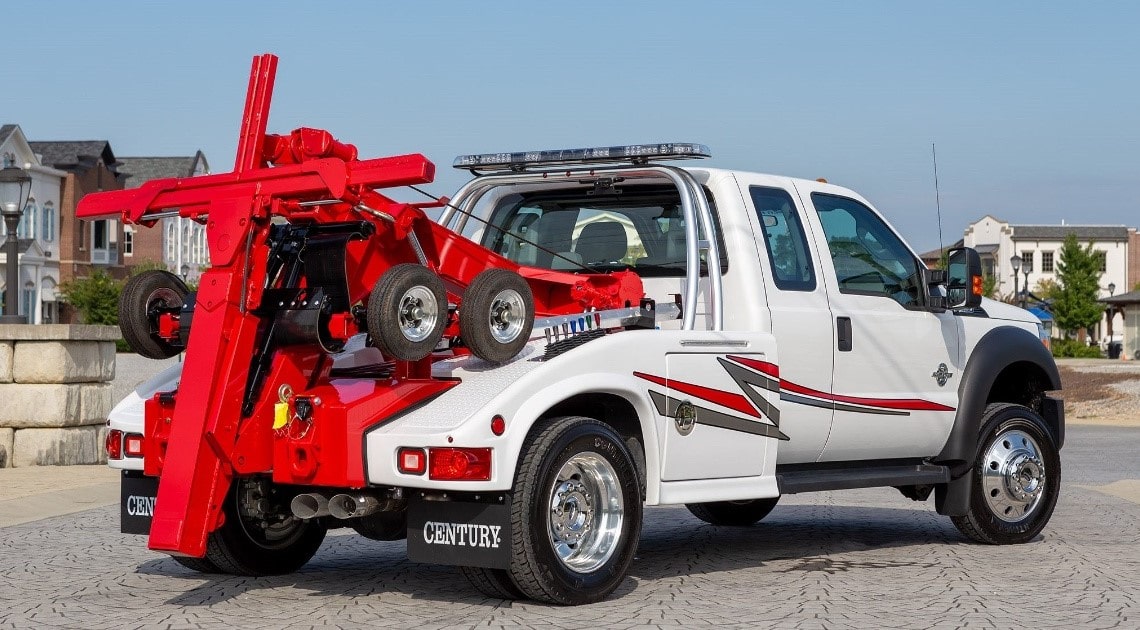
Different Types of Tow Trucks: Choosing the Right Tool for the Job
Selecting the right type of tow truck is crucial for the success of your business. Each type is designed for specific tasks and vehicle types.
-
Flatbed Tow Trucks (Rollbacks): Flatbeds are the most versatile type of tow truck. They feature a hydraulic bed that tilts down to ground level, allowing vehicles to be driven or winched onto the bed.
- Ideal for: Damage-sensitive vehicles, motorcycles, all-wheel-drive vehicles, and vehicles that are disabled due to accidents or mechanical failures.
- Advantages: Safe and secure transport, minimal risk of further damage to the vehicle.
- Considerations: Higher initial cost compared to other types of tow trucks.
-
Wheel Lift Tow Trucks: Wheel lift tow trucks use a metal yoke to lift the front or rear wheels of a vehicle off the ground.
- Ideal for: Repossessions, parking enforcement, and towing vehicles with minor mechanical issues.
- Advantages: Relatively inexpensive, quick and easy to use.
- Considerations: Can cause damage to the vehicle's suspension if not used properly. Not suitable for vehicles with significant damage or those with locked wheels.
-
Hook and Chain Tow Trucks: Hook and chain tow trucks use chains and hooks to secure a vehicle to the tow truck.
- Ideal for: Scrap vehicles and older vehicles where cosmetic damage isn't a concern.
- Advantages: Lowest initial cost.
- Considerations: Can cause damage to the towed vehicle, outdated technology. These are becoming less common due to safety concerns.
-
Integrated Tow Trucks (Self-Loaders): Integrated tow trucks have a boom and winch system integrated into the truck's chassis.
- Ideal for: Heavy-duty towing, such as buses, semi-trucks, and construction equipment.
- Advantages: High lifting capacity, stability, and durability.
- Considerations: Highest initial cost, requires specialized training to operate.
-
Boom Trucks: Boom trucks utilize a hydraulic boom with a winch to lift vehicles.
- Ideal for: Recovery operations involving vehicles in ditches, over embankments, or other difficult-to-reach locations.
- Advantages: Versatile, capable of lifting vehicles from challenging positions.
- Considerations: Requires skilled operators, can be more time-consuming than other towing methods.

Factors to Consider Before Buying Tow Trucks for Sale
Before you start browsing tow trucks for sale, take the time to assess your specific needs and budget. This will help you narrow down your options and make a more informed decision.
- Your Target Market: What types of vehicles will you be towing? Will you focus on light-duty vehicles, heavy-duty vehicles, or a combination of both?
- Your Service Area: Will you be operating in a rural or urban environment? This will affect the type of tow truck you need.
- Your Budget: How much are you willing to spend on a tow truck? Remember to factor in the cost of insurance, maintenance, and repairs.
- New vs. Used: Consider the pros and cons of buying a new or used tow truck. New trucks come with warranties and the latest technology, but they are also more expensive. Used trucks are more affordable, but they may require more maintenance and repairs. Based on my experience, a well-maintained used tow truck can be a great investment if you do your homework.
- Financing Options: Explore different financing options, such as loans and leases, to find the best fit for your financial situation.
Key Features to Look For in Tow Trucks
When evaluating tow trucks for sale, pay close attention to the following features:
- Towing Capacity: Ensure the truck has sufficient towing capacity for the types of vehicles you plan to tow.
- Winch Capacity: The winch should be powerful enough to pull vehicles out of difficult situations.
- Hydraulic System: A reliable hydraulic system is essential for operating the bed, boom, and wheel lift.
- Lighting: Adequate lighting is crucial for safe towing operations, especially at night.
- Safety Features: Look for safety features such as anti-lock brakes, airbags, and traction control.
- Maintenance Records: If buying a used tow truck, carefully review the maintenance records to assess its condition.
Where to Find Tow Trucks for Sale: Navigating the Market
There are several places to find tow trucks for sale, both online and offline.
- Online Marketplaces: Websites like Commercial Truck Trader, Truck Paper, and eBay Motors are popular platforms for buying and selling tow trucks.
- Dealerships: Tow truck dealerships offer a wide selection of new and used trucks.
- Auctions: Government auctions and equipment auctions can be a good source of affordable tow trucks.
- Private Sellers: You can find tow trucks for sale by contacting private sellers directly.
- Industry Associations: Check with towing industry associations for listings of tow trucks for sale.
Negotiating the Price: Getting the Best Deal
Negotiating the price is an important part of buying a tow truck.
- Do Your Research: Before making an offer, research the market value of similar tow trucks.
- Be Prepared to Walk Away: Don't be afraid to walk away from a deal if you're not comfortable with the price.
- Highlight Any Defects: Point out any defects or issues with the truck to justify a lower price.
- Consider Financing Options: Use financing options as leverage in negotiations.
- Get it in Writing: Always get the final price and terms of the sale in writing.
Essential Equipment and Accessories for Your Tow Truck
In addition to the tow truck itself, you'll need to invest in essential equipment and accessories.
- Chains and Straps: High-quality chains and straps are essential for securing vehicles to the tow truck.
- Wheel Lifts: Wheel lifts are used to lift the wheels of vehicles that cannot be driven.
- Dollies: Dollies are used to move vehicles with damaged wheels or axles.
- Jump Starters: Jump starters are used to start vehicles with dead batteries.
- Air Compressors: Air compressors are used to inflate tires and power air tools.
- Safety Cones and Flares: Safety cones and flares are used to warn other drivers of a towing operation.
- Personal Protective Equipment (PPE): PPE, such as gloves, safety glasses, and high-visibility vests, is essential for protecting yourself from injury.
Legal and Regulatory Requirements: Ensuring Compliance
The towing industry is subject to various legal and regulatory requirements. It's crucial to understand and comply with these requirements to avoid fines and penalties.
- Commercial Driver's License (CDL): You may need a CDL to operate a tow truck, depending on the weight of the truck and the vehicles you tow.
- Insurance: You'll need to obtain commercial auto insurance to cover your tow truck.
- Permits and Licenses: You may need to obtain permits and licenses from your local and state government to operate a towing business.
- Safety Regulations: Comply with all applicable safety regulations, such as those related to vehicle inspections, load securement, and driver hours of service.
- Common mistakes to avoid are failing to keep up with routine maintenance or skipping safety inspections. These can lead to costly repairs and potentially dangerous situations.
Maintaining Your Tow Truck: Extending Its Lifespan
Regular maintenance is essential for extending the lifespan of your tow truck and preventing costly repairs.
- Regular Inspections: Conduct regular inspections to identify potential problems early on.
- Fluid Changes: Change the engine oil, transmission fluid, and coolant according to the manufacturer's recommendations.
- Brake Maintenance: Regularly inspect and maintain the brakes to ensure they are in good working condition.
- Tire Maintenance: Check the tire pressure and tread depth regularly.
- Hydraulic System Maintenance: Inspect the hydraulic system for leaks and damage.
- Keep it Clean: Regularly wash and wax your tow truck to protect it from rust and corrosion.
Growing Your Towing Business: Strategies for Success
Once you've purchased your tow truck and established your business, you'll need to focus on growth.
- Marketing and Advertising: Promote your business through online and offline marketing channels.
- Excellent Customer Service: Provide excellent customer service to build a loyal customer base.
- Competitive Pricing: Offer competitive pricing to attract new customers.
- Networking: Network with other businesses and organizations in your community.
- Expand Your Services: Consider expanding your services to include roadside assistance, vehicle recovery, and other related services.
- Pro tips from us: Building relationships with local auto repair shops and insurance companies can provide a steady stream of referrals.
The Future of the Towing Industry: Trends to Watch
The towing industry is constantly evolving. Here are a few trends to watch:
- Electric Tow Trucks: Electric tow trucks are becoming increasingly popular due to their lower operating costs and environmental benefits.
- Autonomous Tow Trucks: Autonomous tow trucks are still in the early stages of development, but they have the potential to revolutionize the industry.
- Digitalization: Digital technologies, such as GPS tracking, dispatch software, and online payment systems, are transforming the way towing businesses operate.
Conclusion: Investing in Your Towing Future
Investing in tow trucks for sale can be a rewarding venture. By understanding the different types of trucks, considering your specific needs, and conducting thorough research, you can make informed decisions and secure the right tow truck for your business. Remember to prioritize safety, compliance, and customer service to build a successful and sustainable towing business. The towing industry is a vital part of our economy, and with the right approach, you can thrive in this dynamic and essential field. Always keep up with the latest industry trends and regulations to stay ahead of the competition and provide the best possible service to your customers. Learn more about commercial vehicle safety here.
0 comments