Buying a used Jeep can be an incredibly rewarding experience. Jeeps are known for their ruggedness, off-road capabilities, and iconic style. Whether you're looking to tackle challenging trails, cruise along the beach, or simply enjoy a vehicle with a unique personality, a Jeep might be the perfect choice. However, navigating the used car market can be tricky. This comprehensive guide will provide you with all the information you need to make a smart and informed decision when searching for a used Jeep for sale. We'll cover everything from choosing the right model to inspecting the vehicle, negotiating the price, and finalizing the purchase.
Why Choose a Used Jeep?
The Ultimate Guide to Buying a Used Jeep: Everything You Need to Know
There are numerous reasons why opting for a used Jeep is a smart move:
-
Affordability: This is perhaps the most significant advantage. Used Jeeps are generally much more affordable than new ones, allowing you to save a considerable amount of money. You can often find a well-maintained, slightly older model for a fraction of the price of a brand-new one.
-
Depreciation: New cars depreciate rapidly in the first few years. By buying used, you avoid this initial depreciation hit, meaning your vehicle retains its value better over time. This is especially true for Jeeps, which tend to hold their value well due to their popularity and reputation for durability.
-
Variety: The used market offers a wider range of models, trims, and features than what's currently available new. You might find a discontinued model that perfectly suits your needs, or a specific trim level with features you can't get on newer Jeeps. This opens up a lot more possibilities.
-
Customization Potential: Jeeps are incredibly customizable. Many owners enjoy adding aftermarket parts and accessories to personalize their vehicles. Buying used means you can potentially find a Jeep that already has some of these upgrades, or you can use the money you saved to add your own.
Choosing the Right Jeep Model: Finding Your Perfect Match
Jeep offers a diverse lineup of models, each with its own strengths and weaknesses. Understanding the differences is crucial to finding the right used Jeep for sale that aligns with your needs and lifestyle.
-
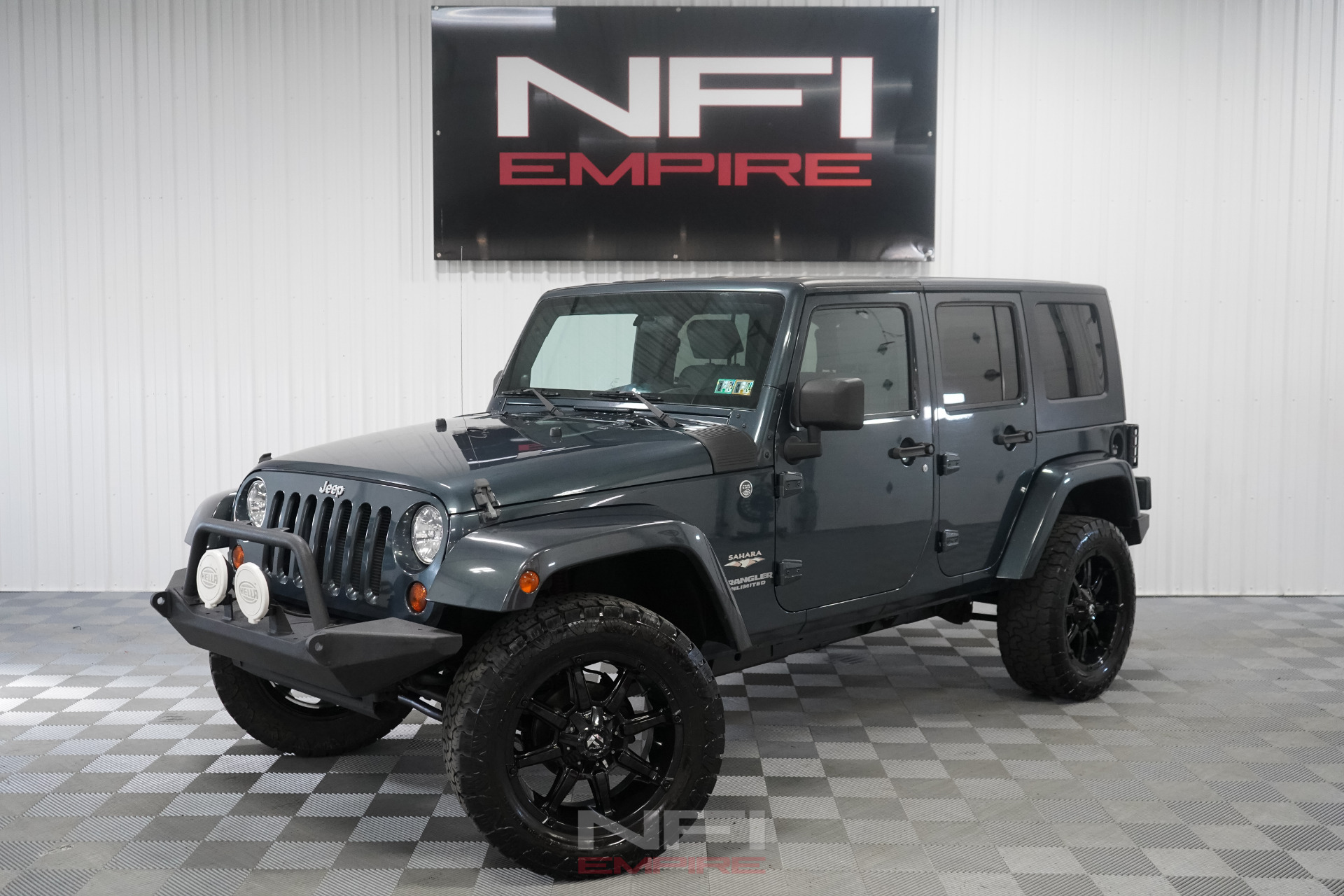
Jeep Wrangler: The Wrangler is the quintessential Jeep. Known for its exceptional off-road capabilities, removable top and doors, and iconic design, the Wrangler is a popular choice for adventure seekers. Consider the Wrangler if you prioritize off-roading and open-air driving. However, be aware that Wranglers can be less comfortable on the road than other Jeep models. Different Wrangler models also have different features. For example, the Rubicon trim is designed for serious off-roading, while the Sahara trim offers a more comfortable on-road experience.
-
Jeep Grand Cherokee: The Grand Cherokee is a more refined and luxurious option, offering a blend of off-road capability and on-road comfort. With a spacious interior, powerful engine options, and a range of advanced features, the Grand Cherokee is a great choice for families and those who want a more upscale SUV. This model is ideal if you want a comfortable daily driver that can also handle occasional off-road adventures.
-
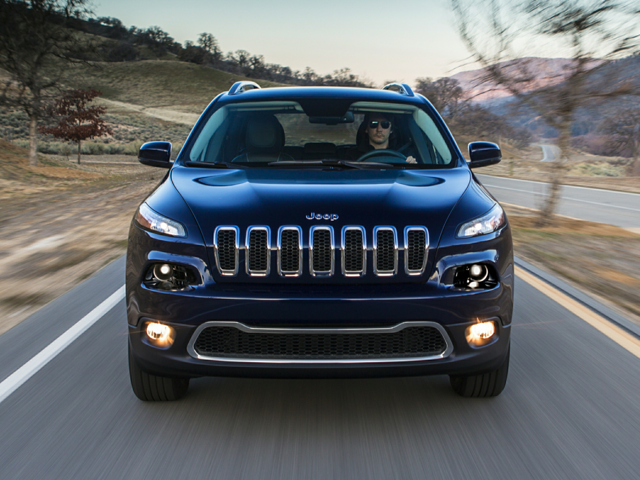
Jeep Cherokee: The Cherokee is a compact SUV that offers a good balance of fuel efficiency, practicality, and off-road capability. It's a versatile vehicle that's well-suited for city driving and weekend adventures. If you're looking for a smaller SUV that's still capable off-road, the Cherokee is a good option.
-
Jeep Renegade: The Renegade is the smallest Jeep model, offering a quirky design and surprisingly good off-road capability for its size. It's a fuel-efficient and affordable option that's perfect for urban environments. Consider the Renegade if you want a small, stylish SUV that's easy to park and maneuver.
-
Jeep Compass: The Compass is a compact SUV that slots between the Renegade and Cherokee in terms of size and features. It offers a comfortable ride, a spacious interior, and decent fuel economy. The Compass is a good choice for those who want a practical and affordable SUV for everyday driving.
-
Jeep Gladiator: The Gladiator is a midsize pickup truck that combines the off-road prowess of the Wrangler with the utility of a truck bed. It's a unique and versatile vehicle that's perfect for those who need to haul cargo and explore off the beaten path. The Gladiator is ideal if you want a Jeep that can do it all – off-roading, towing, and hauling.
Where to Find a Used Jeep for Sale: Exploring Your Options
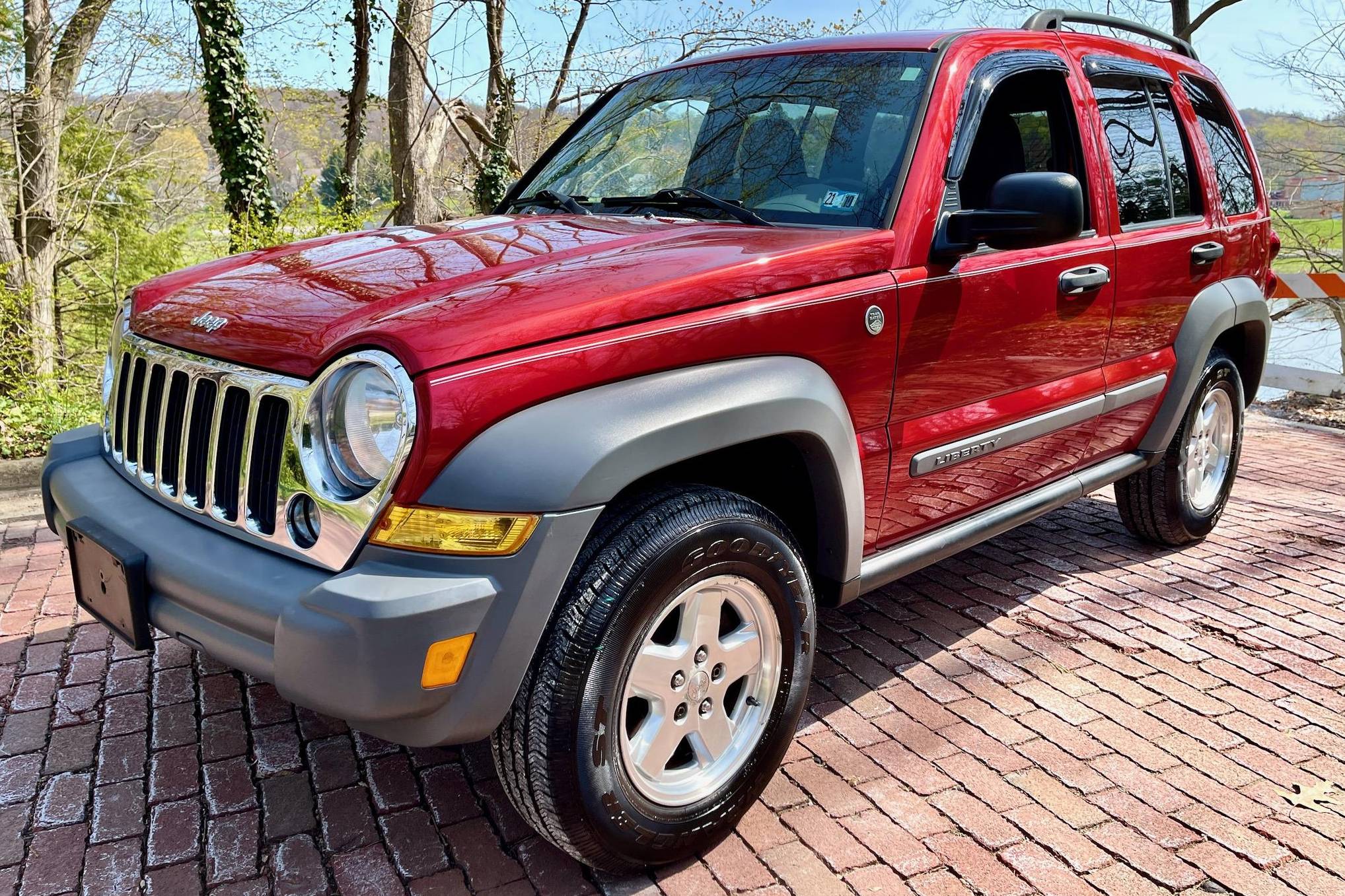
Once you've decided on the right Jeep model, the next step is to find a used Jeep for sale. There are several avenues you can explore:
-
Online Marketplaces: Websites like Autotrader, Cars.com, and Craigslist are great resources for finding used Jeeps. These platforms allow you to search by model, year, price, location, and other criteria. You can also often find detailed vehicle descriptions and photos.
-
Dealerships: Both franchised Jeep dealerships and independent used car dealerships often have a selection of used Jeeps. Buying from a dealership can offer some advantages, such as certified pre-owned (CPO) vehicles with warranties and financing options.
-
Private Sellers: Buying directly from a private seller can sometimes result in a lower price. However, it's important to do your due diligence and thoroughly inspect the vehicle before making a purchase.
-
Auctions: Car auctions can be a good way to find a used Jeep at a bargain price. However, auctions often require you to bid on the vehicle without a thorough inspection, so it's important to be cautious.
-
Local Classifieds: Don't forget to check local classifieds websites and newspapers for used Jeeps in your area.
Inspecting a Used Jeep: What to Look For
Thoroughly inspecting a used Jeep for sale is crucial to avoid potential problems and ensure you're getting a good value. Here's a checklist of things to look for:
-
Exterior: Check for rust, dents, scratches, and other signs of damage. Pay close attention to the undercarriage, as Jeeps are often used off-road and may have sustained damage. Look for signs of bodywork or repainting, which could indicate previous accidents.
-
Interior: Inspect the seats, carpets, dashboard, and other interior components for wear and tear. Check the operation of all the vehicle's features, such as the air conditioning, radio, and power windows.
-
Engine: Listen for any unusual noises, such as knocking or hissing. Check the fluid levels (oil, coolant, brake fluid, etc.) and look for any leaks. Inspect the belts and hoses for cracks or wear.
-
Transmission: Check the transmission fluid level and condition. Test the transmission by shifting through all the gears and listening for any unusual noises or slipping.
-
Brakes: Inspect the brake pads and rotors for wear. Test the brakes by applying them firmly at different speeds and listening for any squealing or grinding noises.
-
Tires: Check the tire tread depth and look for any signs of uneven wear. Inspect the tires for cuts, bulges, or other damage.
-
Four-Wheel Drive System (if applicable): Engage the four-wheel drive system and test it in different modes (4-Hi, 4-Lo) to ensure it's functioning properly.
-
Frame: Carefully inspect the frame for rust, cracks, or other damage. This is especially important for Jeeps that have been used off-road.
Pro tip from us: Don't hesitate to bring a trusted mechanic with you to inspect the vehicle. A professional inspection can uncover hidden problems that you might miss.
The Importance of a Vehicle History Report
Before you buy a used Jeep for sale, it's essential to obtain a vehicle history report from a reputable provider like Carfax or AutoCheck. These reports provide valuable information about the vehicle's history, including:
- Accident History: Whether the vehicle has been involved in any accidents.
- Title Issues: Whether the vehicle has a salvage title, flood damage, or other title issues.
- Odometer Readings: To verify that the odometer reading is accurate.
- Service History: To see if the vehicle has been properly maintained.
- Number of Previous Owners: To get an idea of how well the vehicle has been cared for.
A vehicle history report can help you avoid buying a vehicle with hidden problems or a questionable past.
Test Driving a Used Jeep: Putting it to the Test
A test drive is a crucial part of the buying process. It allows you to get a feel for the vehicle and identify any potential problems that you might not have noticed during the inspection.
- Start the engine: Listen for any unusual noises and let the engine warm up.
- Drive on different types of roads: Test the vehicle on city streets, highways, and (if possible) a dirt road to get a feel for its handling and performance.
- Pay attention to the steering and suspension: Check for any looseness, vibrations, or unusual noises.
- Test the brakes: Apply the brakes firmly at different speeds and listen for any squealing or grinding noises.
- Check the acceleration: Accelerate from a stop and at highway speeds to see how the engine performs.
- Listen for any unusual noises: Pay attention to any unusual noises from the engine, transmission, or suspension.
- Check all the features: Make sure all the vehicle's features, such as the air conditioning, radio, and power windows, are working properly.
Negotiating the Price: Getting a Good Deal
Negotiating the price is an important part of buying a used Jeep for sale. Here are some tips to help you get a good deal:
- Do your research: Before you start negotiating, research the market value of the Jeep you're interested in. Use online resources like Kelley Blue Book and Edmunds to get an idea of what similar vehicles are selling for in your area.
- Be prepared to walk away: Don't be afraid to walk away from the deal if you're not happy with the price. There are plenty of other used Jeeps out there.
- Point out any flaws: If you found any flaws during the inspection, use them as leverage to negotiate a lower price.
- Be polite and respectful: Even if you're trying to negotiate a lower price, it's important to be polite and respectful to the seller.
- Consider financing options: If you need to finance the purchase, shop around for the best interest rates.
Finalizing the Purchase: Paperwork and Payment
Once you've agreed on a price, it's time to finalize the purchase. Make sure you have all the necessary paperwork, including:
- The The title is proof of ownership and must be properly transferred to your name.
- The bill of sale: The bill of sale is a legal document that outlines the terms of the sale, including the price, date, and names of the buyer and seller.
- The warranty (if applicable): If the vehicle comes with a warranty, make sure you understand the terms and conditions.
Common mistakes to avoid are: not carefully reviewing all the paperwork before signing and not understanding the terms of the sale.
When it comes to payment, you can typically pay with cash, a certified check, or a loan from a bank or credit union.
Maintaining Your Used Jeep: Keeping it Running Smoothly
Once you've purchased your used Jeep for sale, it's important to properly maintain it to keep it running smoothly for years to come.
- Follow the manufacturer's recommended maintenance schedule: This includes regular oil changes, filter replacements, and other routine maintenance tasks.
- Keep an eye on fluid levels: Regularly check the oil, coolant, brake fluid, and other fluid levels and top them off as needed.
- Inspect the tires regularly: Check the tire pressure and tread depth regularly and rotate the tires as needed.
- Address any problems promptly: Don't ignore any warning signs or unusual noises. Address any problems promptly to prevent them from becoming more serious and expensive.
You should also familiarize yourself with common Jeep issues. Websites and forums dedicated to Jeep owners can be a great resource for troubleshooting problems and finding solutions. For example, Wranglers are known for "death wobble," a violent shaking that can occur at highway speeds. Knowing about this issue and how to address it can save you time and money.
Conclusion: Enjoying Your Used Jeep Adventure
Buying a used Jeep for sale can be a fantastic experience, offering you the opportunity to own a rugged, capable, and iconic vehicle at an affordable price. By following the advice in this comprehensive guide, you can confidently navigate the used car market, find the perfect Jeep for your needs, and enjoy many years of adventure. Remember to do your research, inspect the vehicle thoroughly, negotiate the price wisely, and maintain your Jeep properly. Happy trails!
0 comments