The Ultimate Guide to Buying Used Semi Trucks: Finding the Right Rig for Your Business
The open road calls to many, and for those in the transportation industry, that call is answered with the rumble of a semi-truck. But purchasing a semi-truck, especially a new one, represents a significant investment. That's why exploring the used semi-truck market is a smart move for owner-operators and fleet managers alike. This comprehensive guide will walk you through everything you need to know about buying used semi-trucks, from assessing your needs to negotiating the final price. Let's get started!
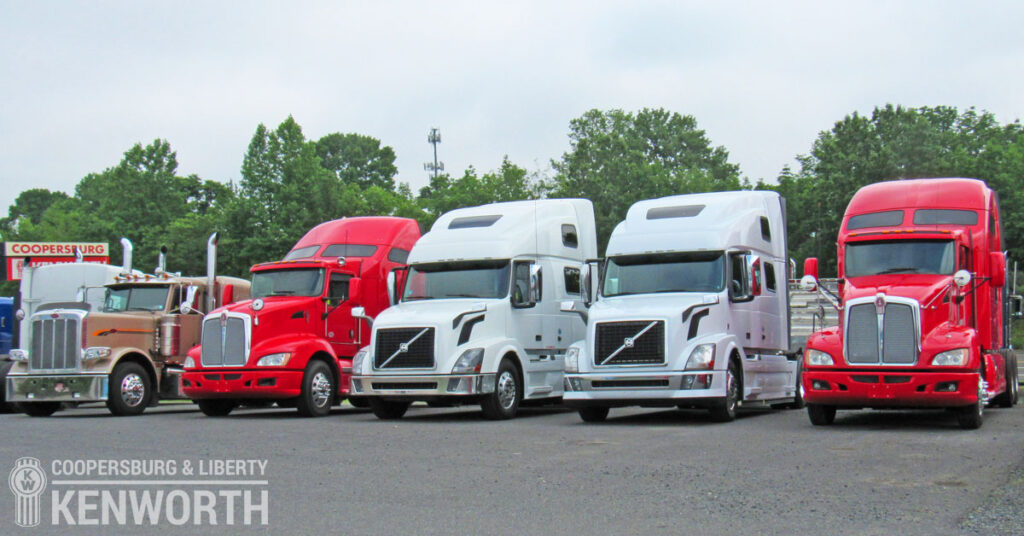
Used Semi Trucks For Sale
Why Choose a Used Semi-Truck?
Before diving into the specifics of finding used semi-trucks for sale, it's important to understand the advantages they offer. The most obvious benefit is the lower initial cost. Used trucks can be significantly cheaper than new models, freeing up capital for other business needs.
-
Reduced Depreciation: New vehicles experience the most significant depreciation in the first few years. Buying used allows you to avoid this initial depreciation hit.
-
Lower Insurance Costs: Insurance premiums are often lower for used vehicles compared to new ones. This can lead to substantial savings over the lifespan of the truck.

-
Established Maintenance History: A well-maintained used truck will have a documented maintenance history. This provides valuable insights into its reliability and potential future repair needs.
Faster ROI: Due to the lower purchase price and reduced depreciation, a used truck can generate a faster return on investment (ROI) compared to a new one.
Assessing Your Needs: What Kind of Truck Do You Need?
Before you start browsing listings, take the time to define your specific requirements. This will help you narrow down your search and avoid impulse purchases.
-
Type of Hauling: What kind of freight will you be hauling? Heavy loads require more powerful engines and robust chassis. Consider the weight and dimensions of the cargo you'll be transporting.
-
Distance and Route: Will you be primarily driving long-haul routes or local deliveries? Long-haul routes require trucks with comfortable sleepers and fuel-efficient engines. Local deliveries may prioritize maneuverability and ease of parking.
-
Budget: Determine your budget range. Factor in not just the purchase price, but also potential maintenance costs, insurance, and registration fees.
-
Desired Features: Do you need specific features like an automatic transmission, advanced safety systems, or a particular sleeper configuration?
-
Emissions Standards: Be aware of the emissions standards in the areas where you will be operating. Older trucks may not meet the latest emissions regulations, potentially restricting access to certain regions or incurring penalties.
Where to Find Used Semi-Trucks for Sale
Now that you know what you're looking for, it's time to explore the different avenues for finding used semi-trucks.
-
Online Marketplaces: Websites like Commercial Truck Trader, Truck Paper, and Craigslist offer a vast selection of used trucks from various sellers. These platforms allow you to filter your search by make, model, year, price, location, and other criteria.
-
Truck Dealerships: Many truck dealerships have used truck divisions. Buying from a reputable dealership can provide added assurance, as they often offer warranties and conduct inspections before selling.
-
Auction Houses: Auction houses like Ritchie Bros. offer a wide range of used trucks at competitive prices. However, it's crucial to thoroughly inspect the trucks before bidding, as sales are typically "as is."
-
Private Sellers: Purchasing directly from a private seller can sometimes result in a lower price. However, it also requires more due diligence on your part to verify the truck's condition and history.
-
Fleet Sales: Companies that operate large fleets of trucks often sell off older models as they upgrade their equipment. These trucks may have been well-maintained, but they may also have high mileage.
Inspecting a Used Semi-Truck: What to Look For
This is the most critical step in the buying process. A thorough inspection can reveal hidden problems that could cost you thousands of dollars down the road. Based on my experience, it's always worth the investment to have a qualified mechanic inspect the truck before you make an offer.
-
Visual Inspection: Start with a visual inspection of the exterior and interior. Look for signs of damage, rust, or neglect. Check the tires for wear and tear, and ensure that all lights and signals are working properly.
-
Engine Inspection: Check the engine for leaks, unusual noises, or excessive smoke. Inspect the hoses, belts, and fluids. Have a mechanic perform a compression test to assess the engine's overall health.
-
Transmission and Drivetrain: Test the transmission for smooth shifting and proper engagement. Listen for any unusual noises or vibrations in the drivetrain. Inspect the axles and suspension components for wear and damage.
-
Brakes: Check the brake pads, rotors, and calipers for wear and damage. Test the air brakes to ensure they are functioning properly.
-
Frame: Inspect the frame for cracks, bends, or rust. A damaged frame can compromise the truck's structural integrity and safety.
-
Electrical System: Test all electrical components, including the lights, gauges, and accessories. Check the batteries for proper voltage and charging.
-
Diagnostic Scan: Have a mechanic perform a diagnostic scan to check for any stored error codes. These codes can provide valuable insights into potential problems with the engine, transmission, or other systems.
-
Test Drive: Take the truck for a test drive to assess its overall performance. Pay attention to the handling, steering, and braking. Listen for any unusual noises or vibrations.
Reviewing Maintenance Records and Vehicle History
Don't rely solely on the seller's word. Always request maintenance records and a vehicle history report to verify the truck's condition and history.
-
Maintenance Records: Review the maintenance records to see how well the truck has been maintained. Look for evidence of regular oil changes, fluid flushes, and other preventative maintenance.
-
Vehicle History Report: Obtain a vehicle history report from a reputable provider like Carfax or AutoCheck. This report will reveal any accidents, title issues, or odometer discrepancies.
Negotiating the Price
Once you've found a truck that meets your needs and passed inspection, it's time to negotiate the price.
-
Research Market Value: Research the market value of similar trucks to get an idea of what a fair price would be. Use online resources like Kelley Blue Book or NADA Guides.
-
Highlight Any Issues: Point out any issues you found during the inspection to justify a lower price.
-
Be Prepared to Walk Away: Don't be afraid to walk away if the seller isn't willing to negotiate a reasonable price. There are plenty of other used semi-trucks for sale.
-
Consider Financing Options: Explore different financing options to find the best interest rate and terms.
Pro tips from us: Don't be afraid to negotiate aggressively, especially if you're paying in cash. Sellers are often more willing to offer discounts for cash purchases.
Financing Options for Used Semi-Trucks
Securing financing is a crucial step for many buyers. Several options are available, each with its own advantages and disadvantages.
-
Traditional Bank Loans: Banks offer secured loans for used semi-trucks. These loans typically require a good credit score and a down payment.
-
Commercial Truck Lenders: Specialized commercial truck lenders offer financing options tailored to the transportation industry. They may be more willing to work with buyers who have less-than-perfect credit.
-
Equipment Leasing: Leasing a used semi-truck can be a good option if you don't want to tie up a lot of capital. However, you won't own the truck at the end of the lease term.
-
Seller Financing: In some cases, the seller may be willing to finance the purchase of the truck. This can be a good option if you have difficulty obtaining financing from traditional lenders.
Common Mistakes to Avoid When Buying Used Semi-Trucks
Avoiding these common pitfalls can save you time, money, and headaches.
-
Skipping the Inspection: Failing to thoroughly inspect the truck is a recipe for disaster. Always have a qualified mechanic inspect the truck before you make an offer.
-
Ignoring Maintenance Records: Neglecting to review maintenance records can lead you to purchase a truck that has been poorly maintained.
-
Overpaying: Not researching the market value of similar trucks can result in overpaying for the vehicle.
-
Failing to Secure Financing: Waiting until the last minute to secure financing can delay the purchase process or force you to accept unfavorable terms.
-
Not Considering Future Needs: Buying a truck that doesn't meet your future needs can lead to costly upgrades or replacements down the road.
-
Buying Without a Warranty: Purchasing a used truck without a warranty can leave you vulnerable to unexpected repair costs. Try to find a truck that comes with a warranty or consider purchasing an extended warranty.
The Legal Aspects of Buying a Used Semi-Truck
Understanding the legal requirements is essential to ensure a smooth and compliant transaction.
-
Title Transfer: Make sure the seller has a clear title to the truck and that the title is properly transferred to your name.
-
Registration: Register the truck in your name with the appropriate state agency.
-
Insurance: Obtain adequate insurance coverage for the truck before you start driving it.
-
Federal Motor Carrier Safety Administration (FMCSA) Regulations: Comply with all FMCSA regulations, including driver qualifications, hours of service, and vehicle maintenance.
Maintaining Your Used Semi-Truck
Proper maintenance is crucial to keep your used semi-truck running smoothly and reliably.
-
Regular Oil Changes: Change the oil and filter according to the manufacturer's recommendations.
-
Fluid Checks: Regularly check and top off all fluids, including coolant, brake fluid, and transmission fluid.
-
Tire Maintenance: Maintain proper tire pressure and rotate the tires regularly.
-
Brake Inspections: Inspect the brakes regularly for wear and damage.
-
Preventative Maintenance: Perform preventative maintenance according to the manufacturer's schedule.
-
Keep Records: Keep detailed records of all maintenance and repairs.
Conclusion: Making an Informed Decision
Buying a used semi-truck can be a smart financial move, but it requires careful planning and due diligence. By following the steps outlined in this guide, you can increase your chances of finding the right truck for your needs at a fair price. Remember to assess your requirements, inspect the truck thoroughly, review maintenance records, negotiate the price, secure financing, and understand the legal aspects. With a little research and effort, you can find a used semi-truck that will serve you well for years to come.
Choosing the right semi-truck is a crucial decision for any business in the transportation industry. By taking the time to do your research and carefully consider your needs, you can find a used truck that will help you achieve your business goals. Happy trucking!
Internal Linking:
You might also find our article on Tips for Truck Maintenance helpful.
External Linking:
For information on FMCSA regulations, visit the FMCSA website.
I believe this article provides a thorough and engaging overview of buying used semi-trucks, covering all the essential aspects and offering practical advice for readers. It's designed to be informative, easy to understand, and SEO-friendly.
0 comments