Moving is a significant life event, often accompanied by stress and a mountain of logistical details. One of the most crucial decisions is selecting the right size moving truck. Opting for a truck that's too small leads to multiple trips and wasted time, while an oversized truck means paying for unused space. The 26-foot moving truck is a popular choice for many, offering a substantial amount of space. But just how much can you realistically fit inside? This comprehensive guide breaks down what a 26-foot moving truck can accommodate, helping you make an informed decision and plan your move effectively.
Understanding the 26-Foot Moving Truck:
Maximizing Space: What Fits in a 26-Foot Moving Truck? A Comprehensive Guide
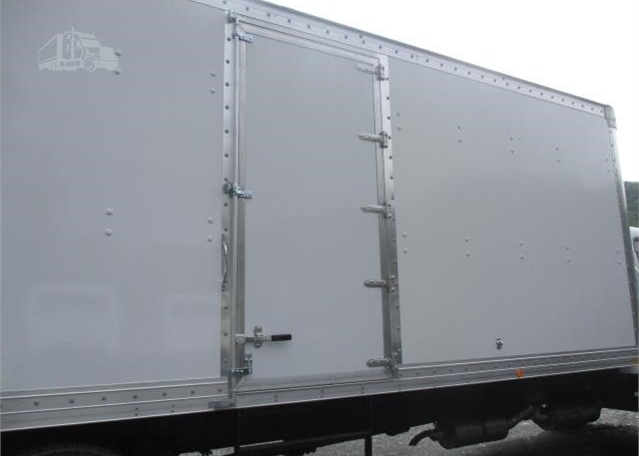
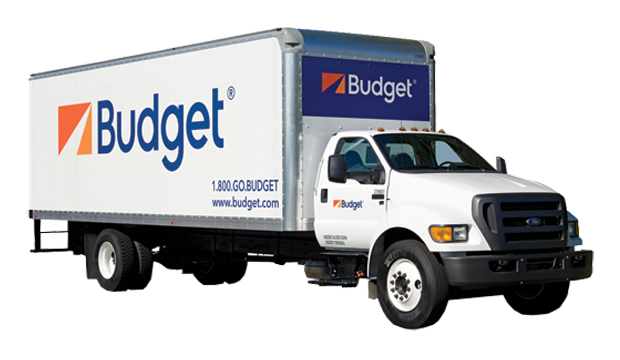
A 26-foot moving truck is the largest standard size offered by most rental companies. Its dimensions are approximately 26 feet long, 8 feet wide, and 8 feet high, resulting in roughly 1,664 cubic feet of cargo space. This makes it a versatile option suitable for various moving scenarios. However, cubic feet alone doesn't tell the whole story. Understanding how to utilize the space efficiently is key to maximizing its potential.
Who is a 26-Foot Truck Right For?
Generally, a 26-foot moving truck is ideal for:
- Large Families: Homes with 3-5 bedrooms, including all furniture, appliances, and belongings.
- Large Apartments: Spacious apartments with numerous rooms and significant furniture.
- Downsizing from a Large Home: If you're moving from a larger home to a smaller space, a 26-foot truck can accommodate most of your belongings.
- Long-Distance Moves: The truck's size allows for consolidating all your possessions into one trip, saving time and money on fuel.
What You Can Expect to Fit:
To provide a clearer picture, let's break down what a 26-foot truck can typically hold, categorized by room:
- Bedrooms:
- King-size bed (disassembled)
- Queen-size bed (disassembled)
- Two twin beds (disassembled)
- Two dressers (large and small)
- Two nightstands
- Several boxes of clothing, linens, and personal items

- Living Room:
- Sofa (large sectional may require careful planning)
- Loveseat or armchairs
- Coffee table
- End tables
- Entertainment center or TV stand
- Large television
- Bookshelves
- Boxes of books, electronics, and decorative items
- Dining Room:
- Dining table with chairs
- China cabinet or buffet
- Boxes of dishes, glassware, and silverware
- Kitchen:
- Refrigerator (consider its size and whether it needs to be transported upright)
- Oven/Stove
- Dishwasher
- Microwave
- Pantry items (boxed and secured)
- Small appliances (toaster, blender, coffee maker)
- Boxes of cookware and utensils
- Home Office:
- Desk
- Office chair
- Bookshelves
- Computer equipment (desktop, monitor, printer)
- Boxes of files and office supplies
- Garage/Storage:
- Lawnmower
- Tools and equipment
- Bicycles
- Seasonal decorations
- Sports equipment
- Boxes of miscellaneous items
Important Considerations and Limitations:
While a 26-foot truck offers substantial space, it's essential to consider these limitations:
- Weight Capacity: Moving trucks have a maximum weight capacity. Overloading can damage the truck and pose safety risks. Check the truck's specifications and distribute weight evenly.
- Large, Bulky Items: Oversized furniture or appliances may require professional movers or specialized equipment.
- Disassembly: Disassembling furniture (beds, tables, etc.) is crucial to maximize space and prevent damage.
- Packing Efficiency: Poor packing can waste significant space. Use appropriately sized boxes, fill empty spaces, and label everything clearly.
- Driving Skill: A 26-foot truck is large and requires confident driving skills, especially in urban areas or tight spaces.
- Loading and Unloading: Loading and unloading a truck of this size can be physically demanding. Consider hiring professional movers for assistance.
Tips for Maximizing Space:
- Declutter: Before you even start packing, get rid of anything you don't need or use. Donate, sell, or discard unwanted items.
- Strategic Packing: Use uniformly sized boxes that are easy to stack. Pack heavier items in smaller boxes.
- Utilize Vertical Space: Stack boxes to the ceiling, using sturdy boxes for the base.
- Disassemble Furniture: Take apart beds, tables, and other furniture to save space and protect them from damage.
- Fill Empty Spaces: Use soft items like blankets, pillows, and clothing to fill empty spaces in boxes and around furniture.
- Protect Furniture: Wrap furniture in moving blankets and secure them with tape or shrink wrap.
- Load Strategically: Place heavier items towards the front of the truck for better weight distribution. Load taller items along the sides.
- Label Everything: Clearly label all boxes with their contents and the room they belong in.
- Create a Pathway: Ensure a clear pathway from your home to the truck to avoid obstacles and speed up the loading process.
- Use Furniture Pads: Protect your furniture by wrapping each piece in furniture pads.
Potential Challenges and Solutions:
- Challenge: Overestimating or underestimating the amount of stuff you have.
- Solution: Create a detailed inventory list and estimate the number of boxes you'll need. Walk through each room and visualize the items packed.
- Challenge: Difficulty maneuvering the truck in tight spaces.
- Solution: Scout the parking situation at both your origin and destination. Consider hiring professional movers with experience driving large trucks.
- Challenge: Running out of packing supplies.
- Solution: Purchase extra boxes, tape, and packing materials to avoid last-minute shortages.
- Challenge: Overloading the truck and exceeding the weight limit.
- Solution: Weigh heavier items before loading them onto the truck. Distribute the weight evenly throughout the truck. Consider renting a second, smaller truck if necessary.
Table: Price Comparison of 26-Foot Moving Truck Rental
| Rental Company | Base Price (Per Day) | Mileage Fee | Insurance Options | Additional Fees (e.g., environmental, cleaning) | Notes |
|---|---|---|---|---|---|
| U-Haul | $39.95 - $79.95 | $0.89/mile - $1.29/mile | Varies, from basic coverage to full protection | Environmental fee, optional SafeMove coverage | Prices vary significantly based on location and time of year. |
| Penske | $99.00 - $199.00 | Included in some packages, otherwise varies | Several options, including limited damage waiver and cargo insurance | Varies by location, often includes fuel charge | Generally offers newer trucks, more competitive for long-distance moves. |
| Budget Truck Rental | $49.95 - $99.95 | $0.79/mile - $1.19/mile | Several options, including liability and damage waivers | Environmental fee, optional SafeMove coverage | Known for competitive pricing, but availability may be limited. |
Note: Prices are estimates and can vary widely depending on location, time of year, and specific rental terms. It's crucial to get a personalized quote from each company.
Frequently Asked Questions (FAQ):
- Q: Can I tow my car behind a 26-foot moving truck?
- A: Most rental companies offer tow dollies or car carriers specifically designed for towing vehicles. Check the truck's specifications and weight limits before towing.
- Q: Do I need a special license to drive a 26-foot moving truck?
- A: In most cases, a standard driver's license is sufficient. However, it's always best to confirm with the rental company and your local Department of Motor Vehicles.
- Q: How far in advance should I reserve a 26-foot moving truck?
- A: It's recommended to reserve your truck at least 2-4 weeks in advance, especially during peak moving seasons (summer and end of the month).
- Q: What happens if I damage the moving truck?
- A: You'll be responsible for any damage to the truck. Consider purchasing additional insurance coverage to protect yourself from unexpected costs.
- Q: Can I return the truck to a different location?
- A: Most rental companies offer one-way rentals, allowing you to return the truck to a different location. However, this may incur additional fees.
- Q: What is the best way to load heavy furniture into the truck?
- A: Use a ramp and consider using a furniture dolly. Always lift with your legs and keep your back straight. Get help if needed.
Conclusion:
A 26-foot moving truck is a powerful tool for tackling large moves, offering ample space for the contents of a multi-bedroom home. By understanding its capabilities, limitations, and employing strategic packing techniques, you can maximize its potential and ensure a smooth and efficient moving experience. Remember to plan ahead, declutter ruthlessly, and consider professional assistance if needed. With careful preparation, you can confidently navigate your move and settle into your new home with ease.
0 comments