Planning a move can be overwhelming, and one of the biggest decisions is choosing the right size moving truck. Opting for a truck that's too small leads to multiple trips, while renting one that's too large is a waste of money. This comprehensive guide focuses on the 26-foot moving truck – often the largest available for self-service moves – and what you can realistically expect to fit inside. Understanding its capacity will empower you to make an informed decision, minimizing stress and maximizing efficiency on your moving day.
Why Understanding Truck Capacity Matters
What Fits In A 26 Foot Moving Truck: A Comprehensive Guide
Accurately estimating the contents of your home and how they translate into cubic feet is crucial. A 26-foot moving truck, while spacious, isn't infinitely large. Overestimating its capacity can result in a logistical nightmare on moving day, potentially leading to last-minute scrambling, additional costs, and unnecessary stress. Underestimating, on the other hand, can leave you with a truck that's only half full, paying for unused space and potentially damaging your belongings during transit due to shifting. This guide will help you avoid these pitfalls by providing a clear understanding of what a 26-foot truck can handle.
I. The 26-Foot Moving Truck: Dimensions and Capacity
Let's start with the basics. While dimensions can vary slightly between rental companies, a standard 26-foot moving truck typically boasts the following approximate measurements:
- Length: 26 feet
- Width: 8 feet
- Height: 8.5 feet (interior)
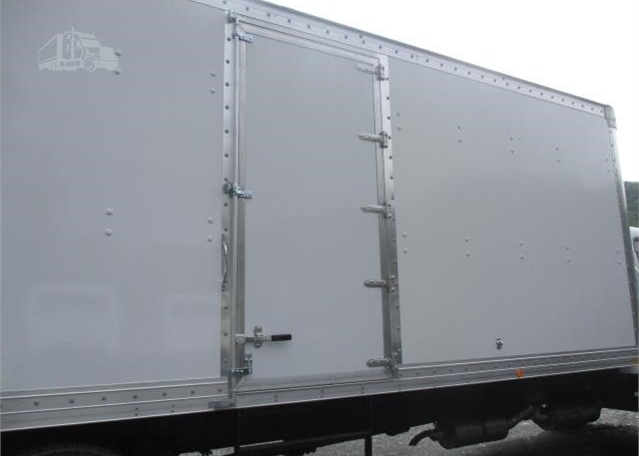
This translates to approximately 1,600-1,700 cubic feet of usable cargo space. Keep in mind that this is an approximate volume. The actual usable space can be affected by the truck's specific design, wheel wells, and the presence of interior tie-down rails.
II. What a 26-Foot Truck Can Typically Accommodate
A 26-foot moving truck is generally suitable for moving the contents of a:
- Large 3-4 Bedroom House: This includes furniture, appliances, boxes, and other belongings.
- Large Apartment with Significant Furniture: Think multiple bedrooms, living room sets, and a fully equipped kitchen.
- Small Business: Depending on the type of business, a 26-foot truck can accommodate office furniture, equipment, and inventory.
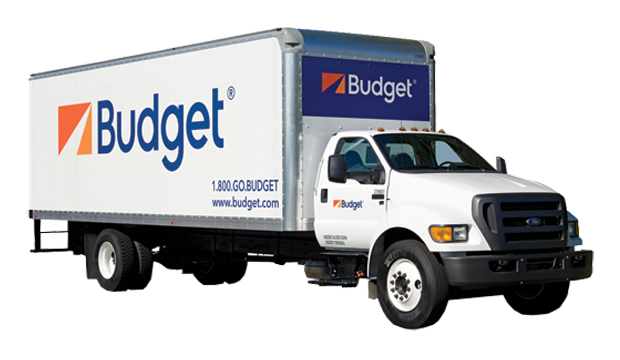
Here's a more detailed breakdown of what you can expect to fit:
- Furniture:
- Multiple bedroom sets (beds, dressers, nightstands)
- Large living room set (sofa, loveseat, armchairs, coffee table, entertainment center)
- Dining room set (table and chairs)
- Office furniture (desks, chairs, filing cabinets)
- Appliances:
- Refrigerator
- Oven/Range
- Dishwasher
- Washer and Dryer
- Boxes:
- A large number of boxes of various sizes (books, clothes, kitchenware, personal items) – potentially hundreds.
- Miscellaneous Items:
- Outdoor furniture (patio set, grill)
- Lawnmower
- Bicycles
- Sports equipment
- Tools
- Artwork
- Electronics (TVs, computers, gaming consoles)

III. Strategic Packing and Loading for Maximum Space Utilization
Even with a large truck, maximizing space is essential. Here are some key packing and loading strategies:
- Disassemble Furniture: Take apart beds, tables, and other furniture to reduce their volume. Keep hardware in labeled bags and tape them to the corresponding furniture piece.
- Stack Boxes Strategically: Use boxes of uniform size whenever possible for easier stacking. Reinforce boxes with packing tape, especially for heavier items.
- Fill Empty Spaces: Utilize smaller items to fill gaps within and around furniture. Towels, blankets, and clothing can be used to cushion fragile items and fill voids.
- Load Heavy Items First: Place heavier items, such as appliances and furniture, at the front of the truck, close to the cab. This helps maintain balance and prevents shifting.
- Distribute Weight Evenly: Avoid concentrating all the weight on one side of the truck. Distribute boxes and furniture evenly across the truck's width.
- Use Furniture Pads and Blankets: Protect your furniture from scratches and dents by wrapping it in furniture pads or blankets.
- Secure Items with Tie-Downs: Utilize the truck's tie-down rails and straps to secure furniture and appliances, preventing them from shifting during transit.
- Create Aisles: Leave narrow aisles within the truck to allow for easier access to items if needed.
IV. Considerations and Potential Challenges
While a 26-foot truck offers ample space, several factors can impact its usability:
- Weight Restrictions: Moving trucks have weight limits. Exceeding these limits can damage the truck and potentially lead to fines. Be mindful of the weight of your belongings, especially heavy items like books and appliances.
- Parking and Maneuverability: A 26-foot truck is large and requires ample space to maneuver. Consider the parking situation at both your origin and destination. Tight corners and narrow streets can pose significant challenges.
- Loading Dock Access: If you're moving to or from a building with a loading dock, ensure the truck's height is compatible with the dock.
- Driveway Slope: A steep driveway can make loading and unloading difficult. Consider using ramps or professional movers to assist.
- Weather Conditions: Rain, snow, or ice can make loading and driving more challenging. Plan accordingly and take necessary precautions.
- Personal Physical Limitations: Loading and unloading a 26-foot truck is physically demanding. If you have any physical limitations, consider hiring professional movers or enlisting the help of friends and family.
V. When a 26-Foot Truck Might NOT Be the Right Choice
While a 26-foot truck is suitable for many moves, it might not be the best option in the following scenarios:
- Moving a Small Apartment or Studio: A smaller truck (e.g., 10-foot or 15-foot) would likely be more appropriate and cost-effective.
- Moving a Minimalist Home: If you have very few belongings, a smaller truck or even a cargo van might suffice.
- Moving Over a Long Distance with Limited Belongings: In some cases, using a freight shipping service might be more economical than renting a large truck.
- Difficult Access: If your origin or destination has extremely limited access (e.g., a narrow alleyway), a smaller truck might be necessary.
VI. Tips for Determining the Right Truck Size
- Take Inventory: Create a detailed inventory of all your belongings, including furniture, appliances, boxes, and other items.
- Estimate Box Count: Accurately estimate the number of boxes you'll need. This is often underestimated.
- Visualize the Space: Try to visualize how your belongings will fit within the truck's dimensions.
- Use Online Calculators: Many moving companies offer online calculators that can help you estimate the appropriate truck size based on your inventory.
- Consult with Moving Professionals: If you're unsure, consult with a moving company representative. They can assess your needs and recommend the appropriate truck size.
VII. Price Table for 26-Foot Moving Truck Rental
| Feature | Description | Price (USD) |
|---|---|---|
| Base Rental | Daily rental fee for the 26-foot moving truck. Includes basic insurance coverage. | $150 - $300/day |
| Mileage Fee | Charge per mile driven beyond a certain allowance. Varies significantly based on rental company. | $0.50 - $1.50/mile |
| Insurance | Supplemental insurance options covering damage to the truck, cargo, and personal liability. | $30 - $100/day |
| Environmental Fee | Fee charged to cover environmental impact. | $5 - $20 |
| Fuel Cost | Varies based on distance, fuel prices, and truck's fuel efficiency. 26-foot trucks typically get 8-10 miles per gallon. | Varies |
| Equipment Rental | Hand trucks, furniture dollies, moving blankets, tie-down straps. Can significantly reduce moving time and effort. | $10 - $30/item/day |
| One-Way Fee | Charged when the truck is returned to a different location than where it was picked up. Can be substantial. | $100 - $500+ |
| Late Return Fee | Fee charged for returning the truck later than the agreed-upon time. | $25 - $75/hour |
| Cleaning Fee | Charged if the truck is returned excessively dirty. | $25 - $100 |
| Total Estimated Cost | The sum of all the above costs. Highly variable based on distance, rental duration, insurance coverage, and optional equipment. | $300 - $2000+ |
Note: Prices are estimates and can vary based on location, time of year, rental company, and availability. It's always best to get a detailed quote from the rental company before booking.
VIII. Frequently Asked Questions (FAQ)
-
Q: How many boxes can fit in a 26-foot moving truck?
- A: It depends on the size of the boxes, but generally, you can fit hundreds of boxes in a 26-foot truck. Focus on packing strategically to maximize space.
-
Q: Can a 26-foot truck fit a car?
- A: No, a 26-foot moving truck is not designed to transport vehicles. You'll need a specialized car carrier for that.
-
Q: Is it difficult to drive a 26-foot moving truck?
- A: Driving a 26-foot truck requires caution and awareness. It's larger and heavier than a regular vehicle, so take your time, drive defensively, and be mindful of clearances.
-
Q: What kind of license do I need to drive a 26-foot moving truck?
- A: In most cases, a standard driver's license is sufficient to drive a 26-foot moving truck. However, it's always best to check with your local Department of Motor Vehicles (DMV) to confirm.
-
Q: Should I hire movers to load and unload the truck?
- A: Hiring movers can save you time and effort, especially if you have heavy or bulky items. Consider your physical limitations and budget when making this decision.
Conclusion
Choosing the right moving truck is a crucial step in ensuring a smooth and successful move. A 26-foot truck offers ample space for large homes and businesses, but it's essential to understand its limitations and plan accordingly. By carefully considering your belongings, packing strategically, and addressing potential challenges, you can maximize the truck's capacity and minimize the stress of moving day. Remember to get multiple quotes, compare prices, and book your truck well in advance to secure the best deal. With careful planning and execution, your move will be a success.
0 comments